Your digging level

For this genre
0/8
🏆
Sign in, then listen to this genre to level up

Description

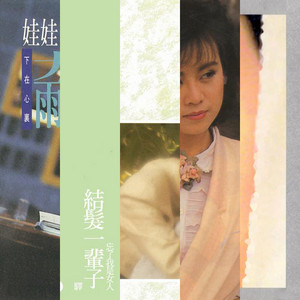
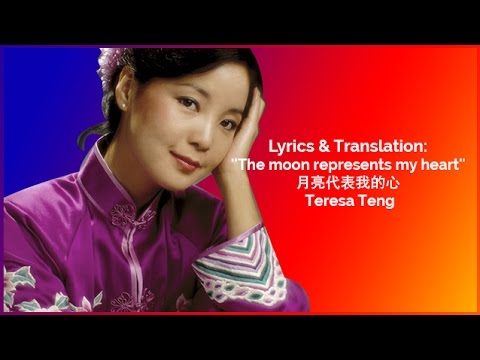
Classic Mandopop refers to the Mandarin-language popular music of the late 1970s through the 1990s, centered primarily in Taiwan and, to a lesser extent, Mandarin output from Hong Kong and Southeast Asia.

Stylistically it blends lyrical, melody-forward ballads with soft-rock and adult-contemporary production: acoustic guitar arpeggios, string pads, warm electric pianos, and tasteful synths. Songs emphasize clear Mandarin diction and memorable choruses, often using pentatonic-leaning melodies, functional harmony, and occasional key changes for dramatic effect.

Themes tend toward love, longing, family, home, and seasonal/nature imagery. The era’s “studio orchestra + band” sound, elegant vocal vibrato, and smooth arrangements helped define the aesthetics of C-pop at large.


Sources: Spotify, Wikipedia, Discogs, RYM, MB, user feedback and other online sources

History

Origins (1920s–1960s)

Mandarin popular song first crystallized as shidaiqu in 1930s Shanghai, fusing Chinese folk and opera inflections with jazz, foxtrot, and Tin Pan Alley songcraft. After the 1940s, political and industry shifts dispersed talent to Hong Kong and Southeast Asia. By the 1960s, Taiwan fostered a singer–songwriter and soundtrack culture that set the stage for a modern Mandarin pop industry.

Consolidation and Golden Era (1970s–1990s)

From the late 1970s, Taiwan became the broadcast and recording hub for Mandarin-language pop. Producers and arrangers adapted Japanese kayōkyoku and enka song forms to Mandarin prosody, while soft rock and adult contemporary textures dominated studio work. The 1980s and early 1990s formed a recognized "golden era": sophisticated ballads, mid-tempo pop-rock, and cinematic arrangements ruled charts, and star vocalists defined vocal timbre, phrasing, and vibrato norms for the genre.

Industry infrastructure—major labels, variety shows, radio, and cross-Strait cassette/CD circulation—amplified reach. Mandarin repertoires by Hong Kong and Southeast Asian artists also fed the canon, creating a shared classic songbook across the Sinophone world.

Late 1990s Legacy and Beyond

As R&B, hip hop, electronic pop, and "zhongguo feng" (Sinophone pop with traditional motifs) rose after 2000, classic Mandopop’s melodic language, lyric themes, and arrangement tropes remained the reference point. Evergreen ballads, key-change finales, and the clear, emotive vocal line became enduring templates for C-pop songwriting and live arrangements.

How to make a track in this genre

Song Forms and Melody
•   Favor verse–pre-chorus–chorus with a contrasting bridge; AABA also occurs. •   Write singable, contour-rich melodies that sit comfortably in the mid register and bloom at the chorus. •   Lean on pentatonic shapes for memorability, but use diatonic expansions for lift. Consider a last-chorus key change up a semitone or whole tone.
Harmony and Modulation
•   Use functional harmony (I–vi–IV–V, ii–V–I, and secondary dominants). Borrowed iv in major and occasional ♭VII add warmth. •   Bridges may pivot to relative minor/major before modulating back or up for the final chorus.
Rhythm and Groove
•   Ballads: 60–78 BPM, 4/4 with gentle backbeat, brushed or soft snare, and flowing eighth-note piano/guitar. •   Mid-tempo pop-rock: 88–110 BPM with clean drum kit, subtle percussion (shaker/tambourine), and restrained bass movement.
Instrumentation and Arrangement
•   Core: lead vocal, acoustic guitar or piano, electric bass, drum kit. •   Color: string section/pads, electric piano (Rhodes/DX7), tasteful analog/digital synths, nylon-string guitar, occasional sax or woodwinds. •   Arrange for clarity: short intro motive, dynamic pre-chorus lift, full strings in chorus, and key-change finale for climax.
Vocal Production and Lyrics
•   Vocal: clear Mandarin diction, controlled vibrato at phrase ends, minimal melisma; double the chorus subtly for sheen. •   Lyrics: themes of love, distance, home, seasons, and memory; concrete imagery and direct address. Balance poetic metaphors with conversational lines that fit Mandarin tones and natural stress.
Studio Aesthetics
•   Warm, polished mixes with smooth top end, plate/room reverbs, and gentle tape/console saturation. •   Keep orchestration supportive of the vocal; automate swells into choruses and string counter-lines that answer the melody.

Top tracks

Locked
Share your favorite track to unlock other users’ top tracks

Upcoming concerts

in this genre
Influenced by
Has influenced

Download our mobile app

Get the Melodigging app and start digging for new genres on the go
© 2026 Melodigging
Melodding was created as a tribute to Every Noise at Once, which inspired us to help curious minds keep digging into music's ever-evolving genres.
Buy me a coffee for Melodigging