Description
A chorale is a hymn tune or one of several kinds of music built around a hymn-like melody. Its roots lie in Lutheran congregational song, but the term also covers vocal and instrumental settings, from a single melody with accompaniment to elaborate compositions.
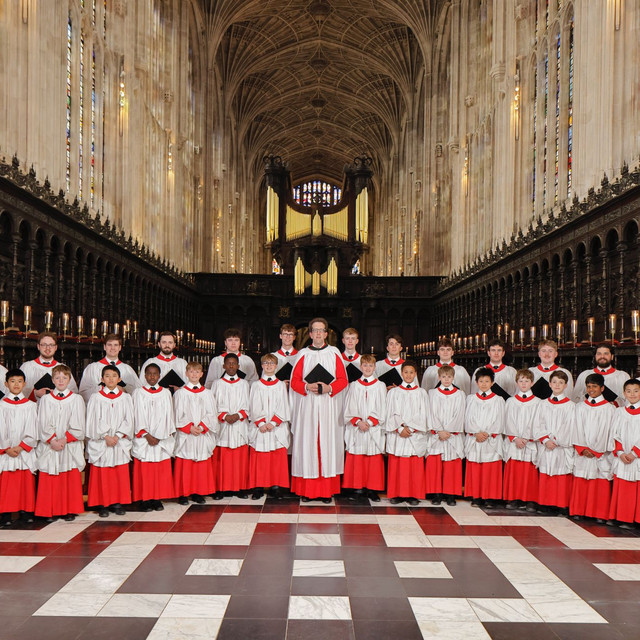
A familiar form is the four-part chorale: voices generally move together in a homophonic texture, making the tune and words easy to follow. Other settings place the melody within more independent, contrapuntal lines. Chorales can be sung by a congregation or choir, played on the organ, or incorporated into larger works.
History
Reformation beginnings
The chorale emerged from the German Reformation, as Martin Luther translated sacred songs into German and, with his followers, created metrical texts and musical settings. Some tunes drew on existing church melodies or secular songs. The first hymnals following the new approach appeared in 1524.
Choral and organ settings
During the 17th century, composers expanded the repertoire of choral and organ settings. By the end of the century, four-part writing for soprano, alto, tenor and bass had become standard in choral settings, while congregational singing tended toward a single melodic line with instrumental accompaniment. Johann Pachelbel published a collection of organ chorales in the last decade of the century.
From church to concert music
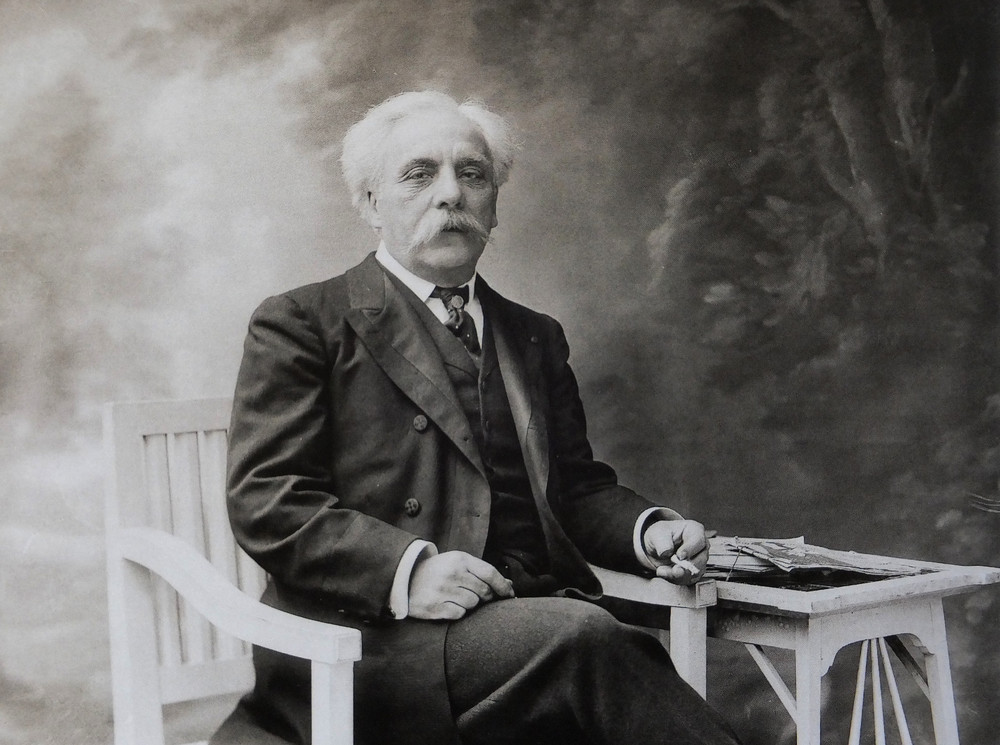
In the 18th century, four-part chorales became frequent concluding movements in Lutheran church cantatas. Johann Sebastian Bach also used chorale melodies in more elaborate vocal and organ settings. The chorale subsequently entered concert music, including symphonies, and César Franck extended the organ repertoire.
The form did not meet with universal approval: in 1881, Sergei Taneyev regarded chorale harmonizations such as those closing Bach’s cantatas as inartistic, though he also considered them difficult to avoid.
Begin with a melody
Write or choose a singable hymn-like tune with clear phrases. One possible design is bar form: repeat an opening phrase, then provide a contrasting concluding phrase. If you set words, give the text a regular metrical shape that fits the melody naturally.
Make a four-part setting
Place the tune in the highest voice and write supporting soprano, alto, tenor and bass parts, with the voices generally moving together so the words remain clear. Shape the harmony around the melody and give each part a coherent line. You can repeat the same harmony when the opening phrase returns or vary it on its second appearance.
Explore other textures
For a simpler setting, use a single melodic line with instrumental accompaniment. For a more elaborate chorale fantasia, let one voice or instrumental part carry the tune while other parts move more independently; instrumental passages can separate the sung phrases. An organ setting can use either a chordal texture or this more contrapuntal approach.

Bach's Four-Part Chorale Writing - Music Composition
Music Matters