Your digging level
Description
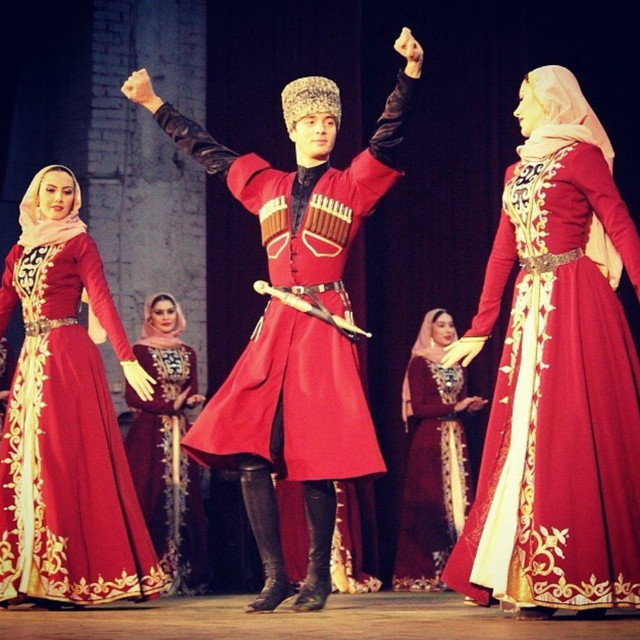
Chechen pop is a contemporary popular music style from the Chechen (Nokhchi) people that blends Soviet/Russian estrada songcraft and global pop production with distinctive North Caucasian melodic shapes and vocal ornamentation.
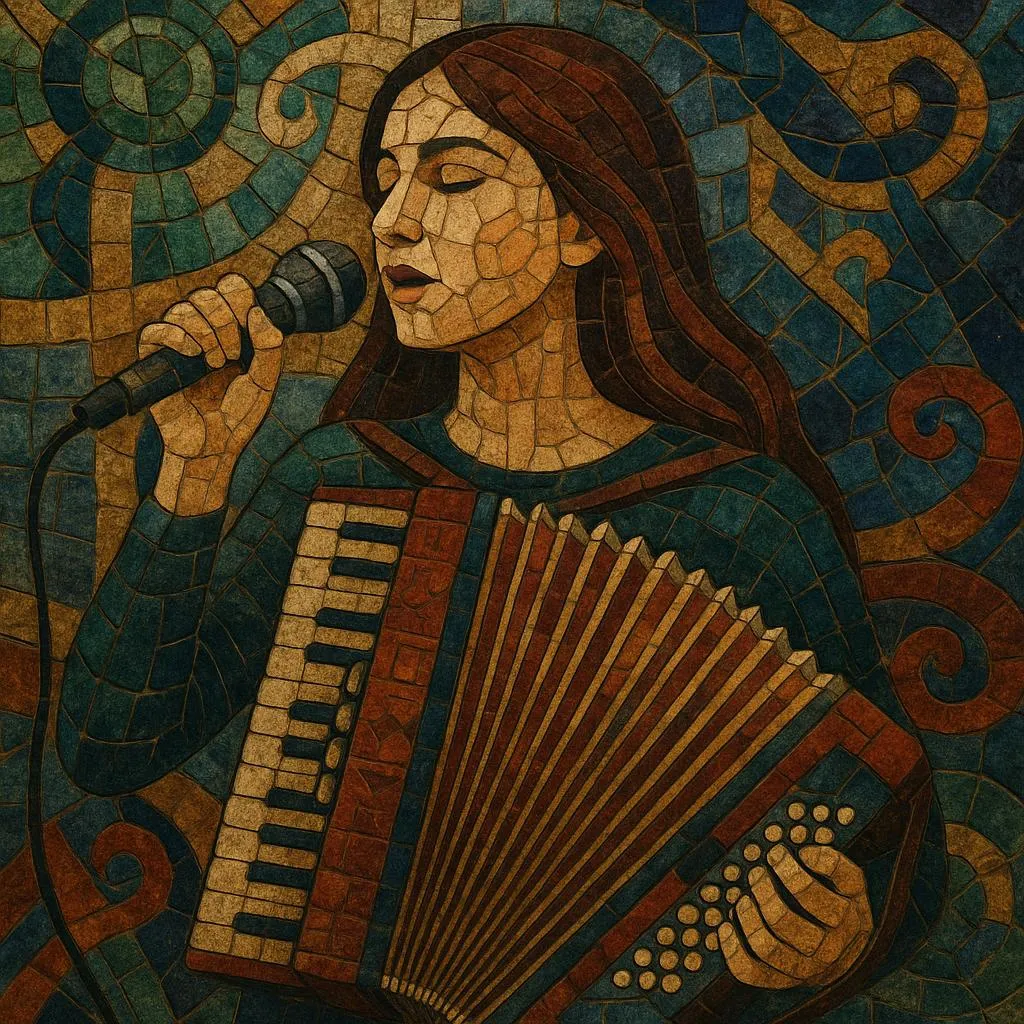
Sung primarily in the Chechen language (with some Russian-language releases), the genre favors lyrical themes of love, family, homeland, and resilience, often framed through poetic imagery. Arrangements range from glossy dance-pop and electro-ballads to mid‑tempo folk‑pop, with synths and drum machines sitting alongside regional colors such as accordion/garmon lines, zurna/surnay timbres, and hand-percussion grooves.
Characteristic vocals use melismas and tight vibrato, and choruses are big, tuneful, and emotionally direct—designed for weddings, celebratory gatherings, and radio alike.

History
Chechen popular song has roots in the Chechen–Ingush ASSR estrada tradition of the late Soviet era, where state ensembles and conservatory-trained arrangers shaped folk melodies into modern stage repertoire. The 1980s provided the institutional foundation (studios, ensembles, touring circuits) and a songwriting aesthetic that prized clear melodies, lyrical sentiment, and polished presentation.
Following the dissolution of the USSR and the upheavals of the 1990s, a distinct Chechen pop scene reemerged around local studios, diaspora hubs (notably in the wider North Caucasus and parts of the Middle East and Turkey), and wedding circuits. Artists increasingly foregrounded Chechen language and identity, crafting love songs and homeland odes that resonated with communities rebuilding social life. Production borrowed from Russian pop and Eurodance while reasserting regional modalities and ornaments.
As recording infrastructure and media access improved, Chechen pop diversified. Ballads, mid‑tempo folk‑pop, and club‑leaning tracks coexisted. Music videos and TV appearances amplified visibility, and YouTube/social media accelerated distribution beyond regional broadcasters. Arrangers fused modern EDM textures with garmon/accordion countermelodies and occasional zurna/surnay color to keep a recognizable North Caucasian flavor.
Streaming platforms consolidated the scene’s reach. Collaborations with neighboring North Caucasian and Russian pop producers are common, and singles cycles emphasize memorable hooks and high production values. The core identity—romantic, celebratory pop sung in Chechen with ornamented vocals—remains intact, even as rhythm programming, vocal processing, and mixing align with contemporary global pop standards.