Your digging level
Description
Chamorro pop is a popular music style created by and for the Chamorro people of the Mariana Islands (especially Guam and the Northern Mariana Islands). It blends mainstream Western pop and rock songcraft with local island aesthetics and the Chamorro language.
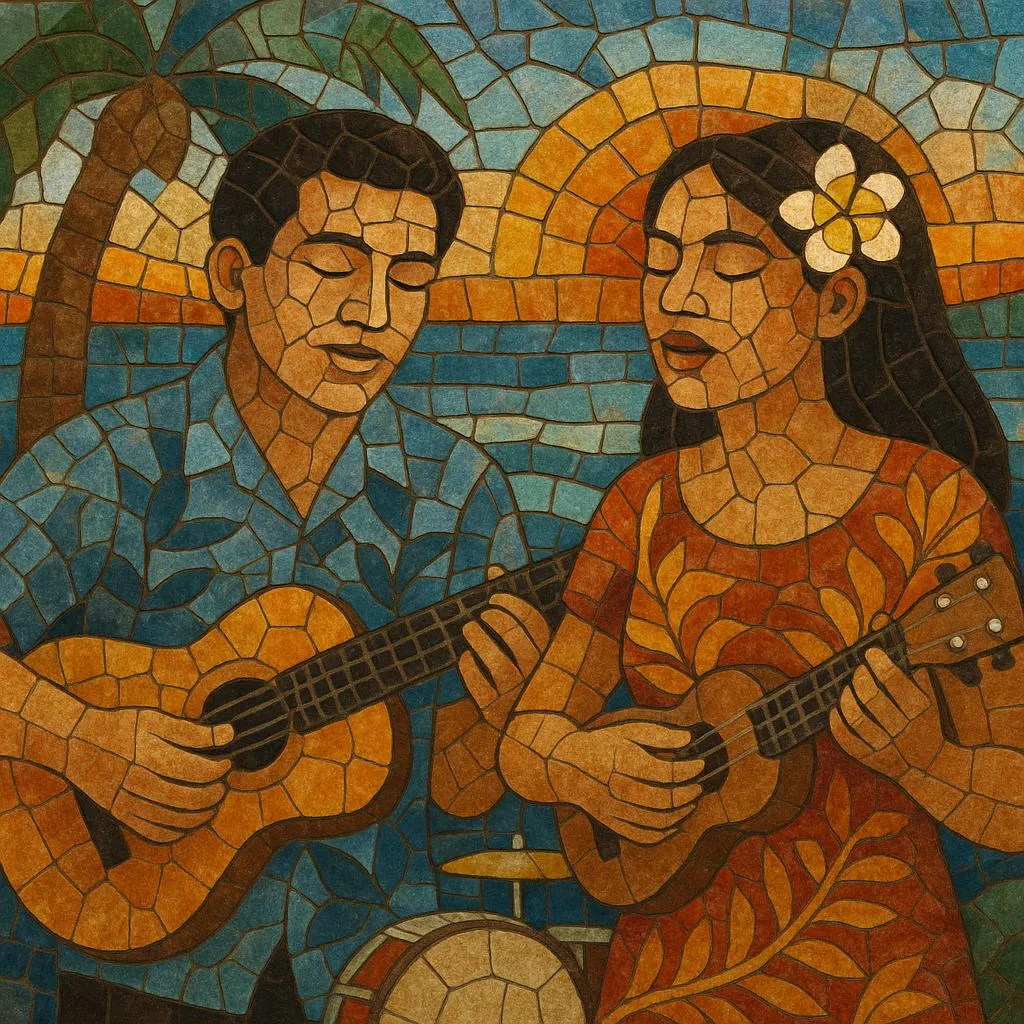
Typical Chamorro pop tracks are mid‑tempo love songs, danceable cha‑cha and ballad grooves, or soft-rock numbers sung in Chamorro (often mixed with English). Acoustic and electric guitars, ukulele, keyboards, bass, and drum kit form the core, with melodies and refrains shaped by call‑and‑response or lyrical turns that echo older Chamorro singing traditions. Spanish/Latin heritage and decades of American musical influence add bolero, cha‑cha‑chá, and country flavors to the harmonic and rhythmic palette.
History
Chamorro communities long maintained vocal traditions such as improvised singing and call‑and‑response. After World War II, American radio and touring ensembles brought postwar pop, country, and rock to Guam and the Northern Mariana Islands. By the late 1960s and into the 1970s, local performers began setting contemporary pop and soft‑rock idioms to Chamorro lyrics, creating what became known as Chamorro pop.
The 1970s–1990s saw a flourishing local recording culture. Singers and duos popularized sentimental ballads and cha‑cha/bolero‑tinged dance songs, issuing cassettes and local radio hits that became the soundtrack of island gatherings, fiestas, and family life. The era established a recognizable style—tuneful, romantic, and proudly Chamorro—while absorbing steady influence from U.S. pop, country, and soft rock.
CDs, MP3s, and social media widened access at home and across the Chamorro diaspora (Hawaiʻi, mainland U.S., and beyond). Younger artists updated production with modern pop, acoustic‑folk, and island/reggae textures while continuing to sing in Chamorro or engage in code‑switching, keeping the language present in popular culture.
Chamorro pop remains a living, community‑centered scene. Local radio, streaming platforms, and island festivals sustain both legacy artists and new voices. The genre continues to intersect with broader “island music,” Pacific pop, and contemporary singer‑songwriter currents while maintaining its identity through language, themes of love and place, and a characteristically warm, melodic sound.