Your digging level
Description
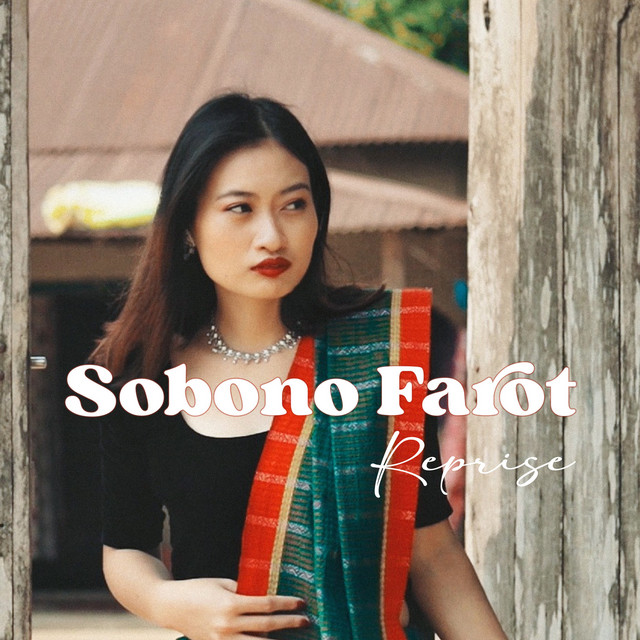
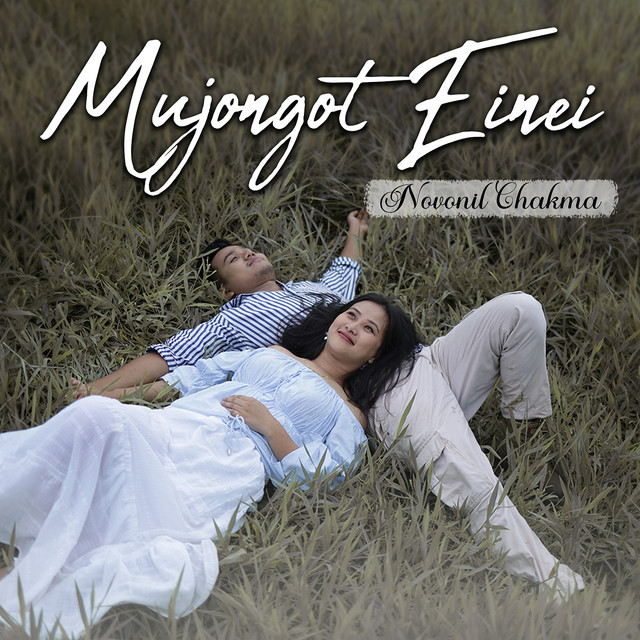
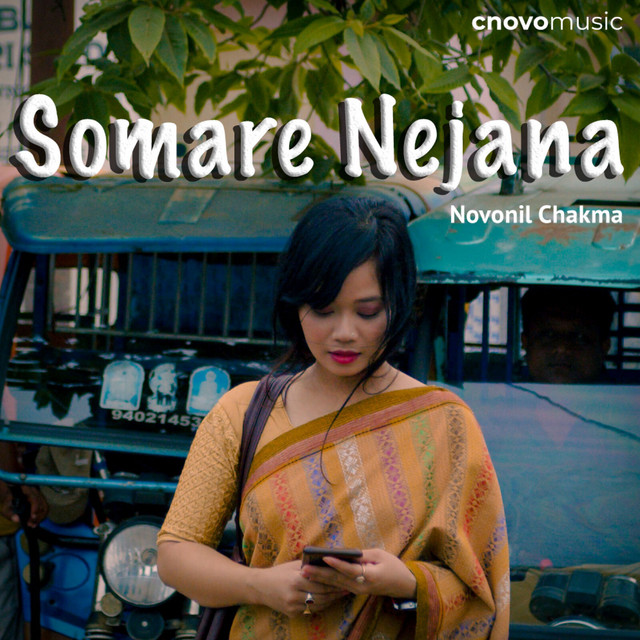
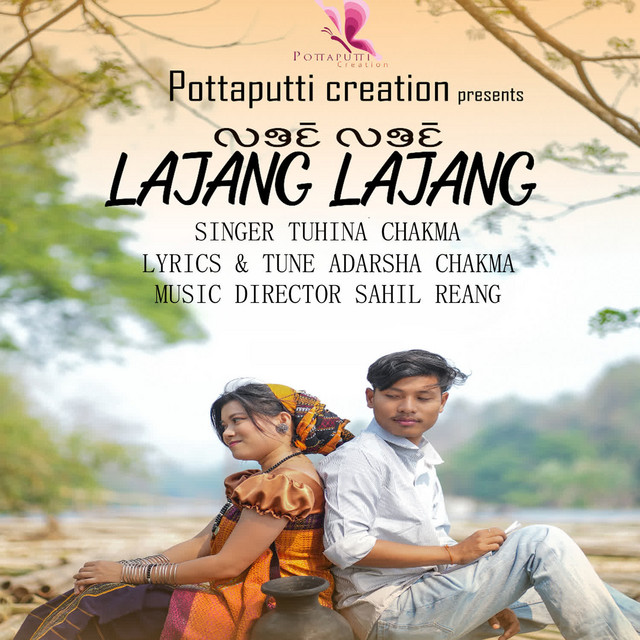
Chakma pop is contemporary popular music performed primarily in the Chakma language (Changma Vaj) by the Chakma people of the Chittagong Hill Tracts and adjacent border regions. It blends modern South Asian pop songwriting and production with melodic turns, rhythmic impulses, and storytelling drawn from Chakma folk traditions and festival songs.
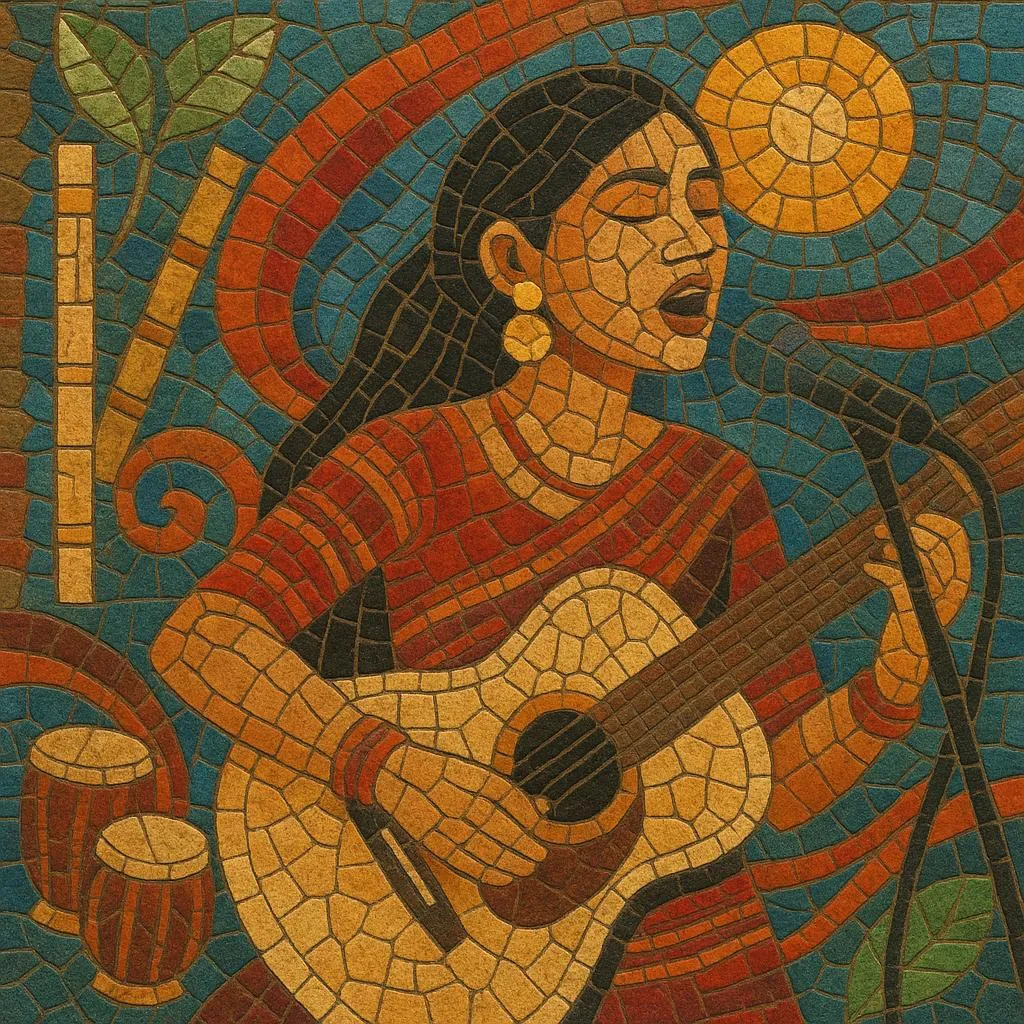
Typical tracks feature polished vocals with South Asian ornamentation, ear‑catching hooks, and mid‑tempo grooves suitable for dancing at community gatherings. Arrangements often juxtapose acoustic timbres—such as bamboo flute, hand percussion, and sometimes dotara—with keyboards, guitar, bass, and modern beat programming. Lyrical themes range from youthful romance and homesickness to nature imagery and pride in Chakma identity.
History
Modern Chakma popular song grew out of local folk singing practices, festival repertoires (notably around Biju/Bishu), and community performance traditions in the Chittagong Hill Tracts. Through the late 20th century, Chakma performers increasingly encountered Bengali and Indian popular music via radio, cassettes, and TV, adopting amplified instruments and verse–chorus forms while retaining characteristic vocal delivery and language.
The 2010s marked a turning point as affordable home recording, YouTube, and social media enabled Chakma artists to circulate singles and music videos directly to diasporic and regional audiences. This period standardized a “Chakma pop” sound: polished, melodic, and dance‑friendly, with bilingual or code‑switching lyrics appearing alongside fully Chakma texts. Independent producers and small studios in Rangamati, Khagrachari, and urban centers accelerated output and stylistic experimentation.
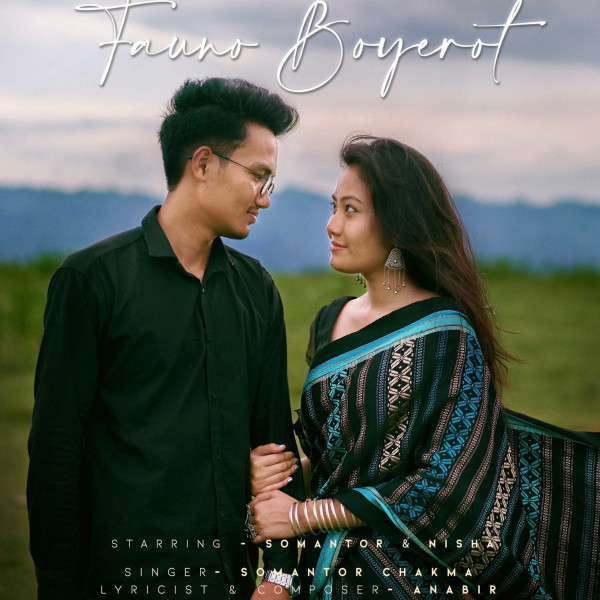
Artists from Bangladesh and Chakma communities in India (especially Tripura and Mizoram) contributed to a cross‑border ecosystem, sharing beats, session players, and video aesthetics. Trap‑tinged drums, acoustic strums, and bamboo‑flute countermelodies became common textures. Thematically, songs balanced youthful romance with community pride, while music videos showcased regional landscapes, attire, and dance.
Chakma pop continues to grow through singles culture and festival releases, with collaborations among singers, beatmakers, and video creators. The genre serves both as contemporary entertainment and as a vehicle for linguistic and cultural visibility.