

Your digging level
Description
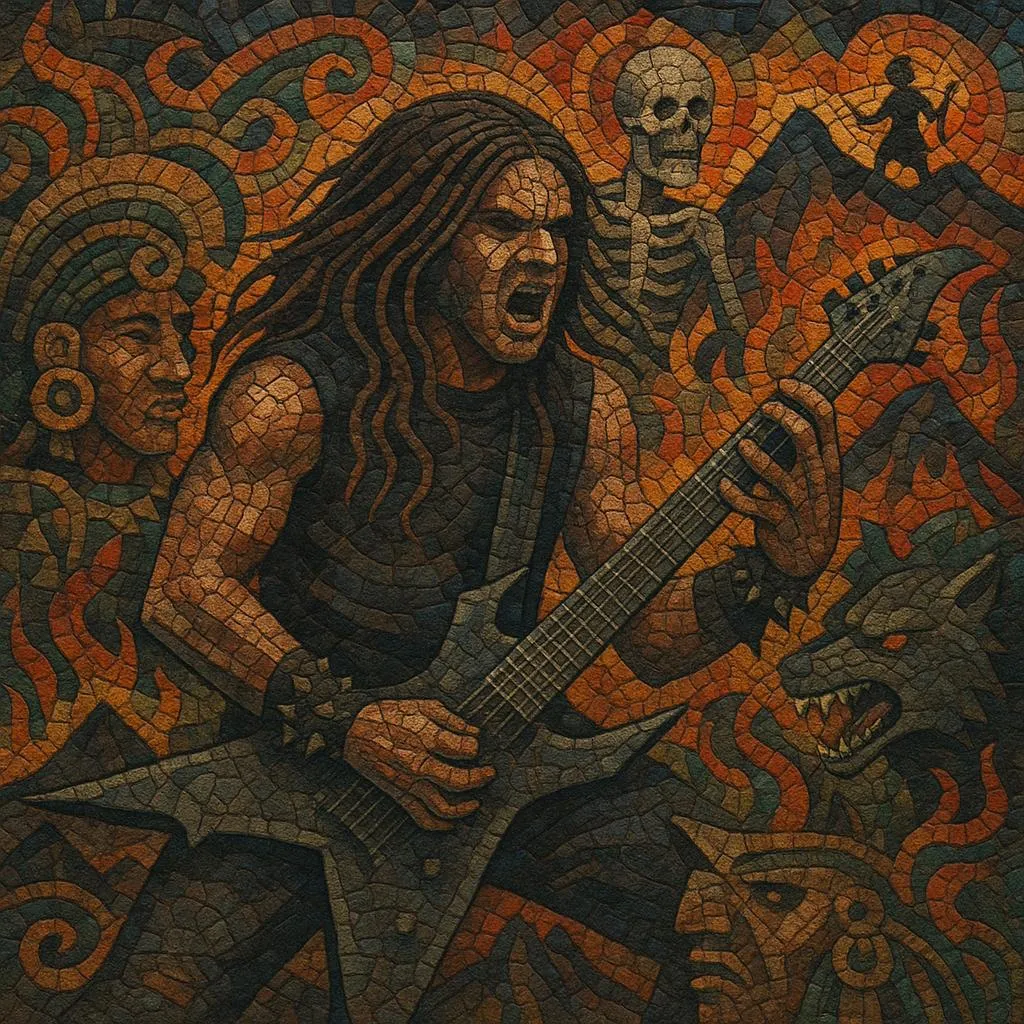
Central American metal is a regional umbrella for the heavy metal scenes that developed across Costa Rica, El Salvador, Guatemala, Honduras, Nicaragua, Panama, and Belize.
Rooted in classic heavy metal and the first waves of thrash and death metal, the style is defined less by a single sonic signature and more by a shared intensity, DIY ethos, and lyrical focus on social reality—war, displacement, corruption, urban struggle—as well as mythologies and folklore unique to the isthmus (e.g., El Cadejo, Nahua and Maya references). Spanish vocals are common, but English and indigenous languages also appear.
Musically, bands lean toward high‑energy riffing, tremolo‑picked melodies, double‑kick drumming, and raw vocal approaches (shouted, growled, or blackened rasps), while some groups incorporate regional rhythms or timbres (e.g., marimba, pre‑Columbian flutes) sparingly for color. The result is a family of scenes connected by festivals, tours, and compilations that forged a distinct Central American identity in heavy music.
History
Central American metal coalesced as a recognizable regional current in the 1980s–90s, when underground metal spread beyond Mexico and South America into the isthmus. Scenes developed in parallel—often under difficult political and economic conditions—sharing a common DIY infrastructure of tiny venues, hand‑dubbed tapes, local zines, and cross‑border friendships that knit the region together.

Best playlists


