Your digging level

For this genre
0/8
🏆
Sign in, then listen to this genre to level up

Description

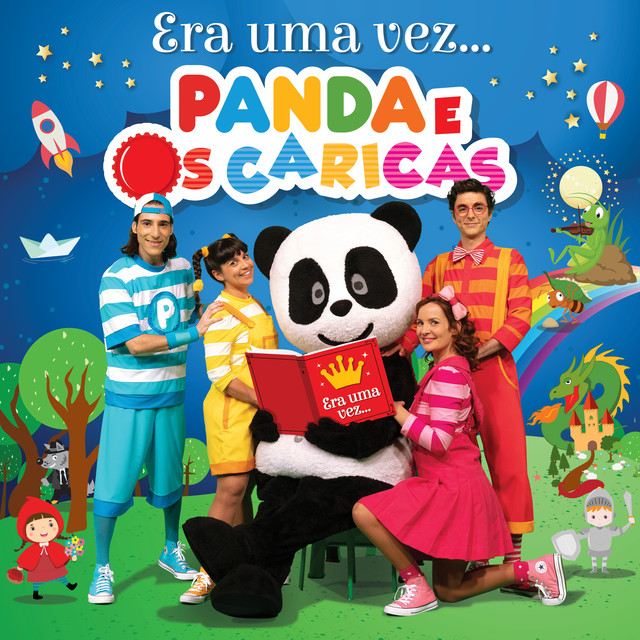
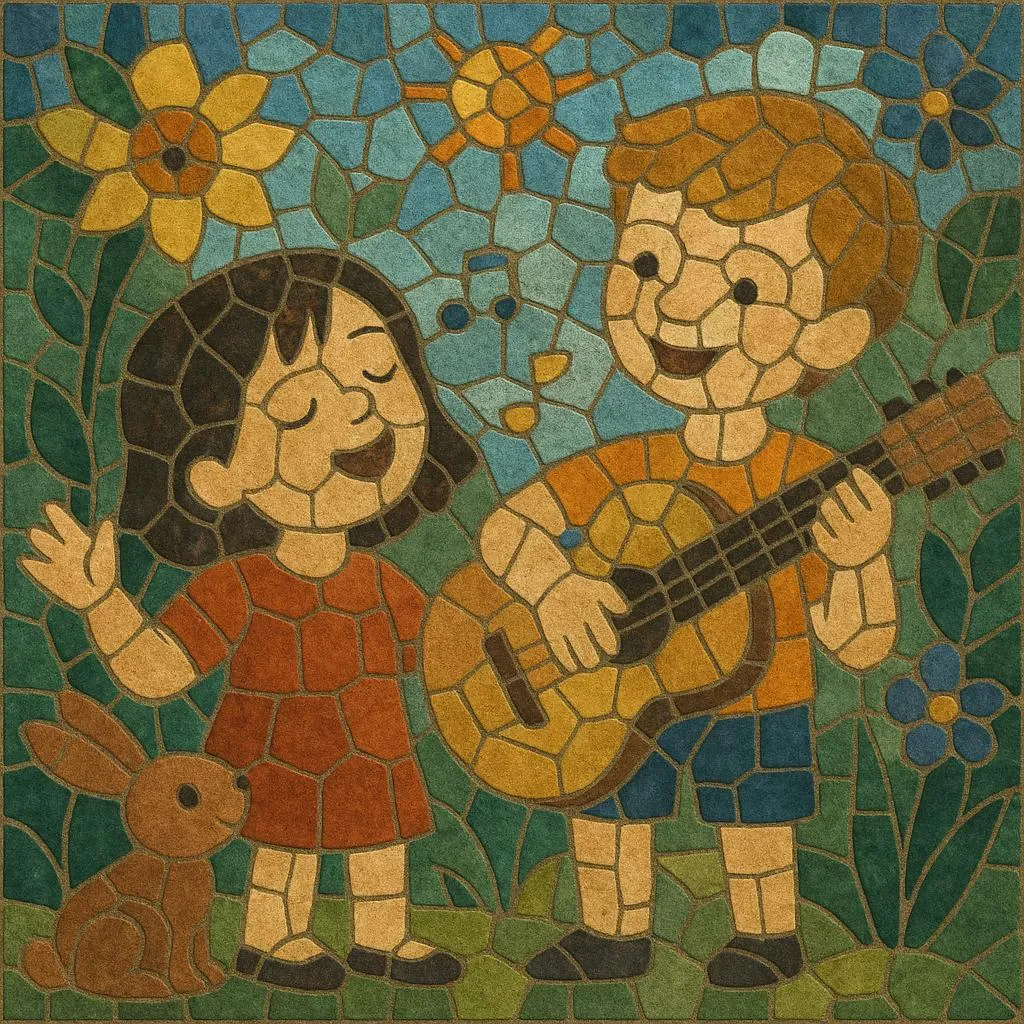
Canções infantis are children’s songs performed in Portuguese, created to entertain, educate, and accompany early childhood activities such as play, storytelling, and school routines.

They typically feature short, catchy melodies, simple harmonies (often in major keys), clear rhythmic patterns suitable for clapping or movement, and repetitive, call‑and‑response structures that invite participation. Lyrics focus on animals, daily habits, colors, numbers, friendship, and moral or educational messages, and often adapt traditional canções de roda (circle games) and lullabies to modern pop arrangements.

While rooted in folk and school music practices, the genre flourished with recordings, TV themes, and stage shows, spanning from acoustic guitar and small ensembles to upbeat pop productions with lively choruses designed for group singing.


Sources: Spotify, Wikipedia, Discogs, Rate Your Music, MusicBrainz, and other online sources

History

Roots and Early Practices

Portuguese‑language children’s repertoire derives from centuries of folk tradition—canções de roda, lullabies, counting songs, and schoolroom chants. These songs were transmitted orally in families and classrooms, emphasizing participation, memory, and community learning.

Recorded and Broadcast Era (1970s–1990s)

With the spread of cassettes, vinyl, and children’s TV in Portugal, canções infantis moved from the classroom to home stereos and national stages. Songwriters adapted folk material into polished arrangements, and original pop‑styled children’s songs appeared in educational programs, cartoons, and variety shows. Live family concerts and school choir performances helped standardize a shared canon across generations.

2000s–2010s: Multimedia Expansion

The rise of DVDs, cable children’s channels, and school events expanded the market. Producers introduced choreographed routines, interactive concert formats, and curriculum‑aligned content, bringing together teachers, animators, and musicians. Educational themes—numbers, hygiene, ecology, and social skills—became central to the repertoire.

Digital and Platform Era (2010s–present)

YouTube and streaming created a continuous pipeline of new children’s hits, with animated clips, lyric videos, and dance versions optimized for home and classroom use. Contemporary productions combine upbeat pop, dance rhythms, and bright orchestration with visuals that facilitate imitation and participation. The result is a living repertoire that blends tradition with modern media, sustaining classroom teaching, family entertainment, and live touring shows.

How to make a track in this genre

Melody and Harmony
•   Write short, memorable melodies in comfortable vocal ranges for children, typically in major keys. •   Use simple diatonic harmony (I–IV–V, occasional vi) and emphasize strong cadences to aid sing‑along. •   Build hooks around repetitive motives and stepwise motion.
Rhythm and Form
•   Favor steady, moderate tempos (90–130 BPM) suitable for clapping and simple dances. •   Use clear 4/4 or 2/4 meters; include claps, stomps, and breaks for call‑and‑response. •   Keep forms concise (verse–chorus–bridge optional), with a strong, repeatable chorus.
Lyrics and Themes
•   Choose concrete, age‑appropriate topics (animals, colors, numbers, daily routines, friendship, kindness). •   Use simple vocabulary, rhyme, and repetition; include playful onomatopoeia and counting sequences. •   Consider gentle educational objectives (hygiene, safety, ecological awareness) without sacrificing fun.
Instrumentation and Production
•   Combine acoustic guitar, piano/keys, bass, light percussion, and small drum kit; add handclaps and shakers. •   Bright synths, ukulele, xylophone/glockenspiel, and children’s choir can add sparkle and clarity. •   Keep mixes clear with forward lead vocals and supportive backing responses; avoid overly dense textures.
Vocals and Participation
•   Prioritize clear enunciation and a friendly tone; use call‑and‑response lines to invite audience singing. •   Include echoes, counting prompts, and movement cues ("clap your hands", "jump three times").
Arrangement Tips
•   Introduce parts gradually; add one new element per section to maintain attention. •   Insert instrumental breaks for movement, and short codas that reinforce the main hook.
Educational Integration
•   Align songs with classroom activities: counting, days of the week, body parts, or storytelling arcs. •   Provide printable lyrics and simple choreography to support teachers and parents.

Top tracks

Locked
Share your favorite track to unlock other users’ top tracks
Influenced by
Has influenced
Challenges
Digger Battle
Let's see who can find the best track in this genre

Download our mobile app

Get the Melodigging app and start digging for new genres on the go
© 2026 Melodigging
Melodding was created as a tribute to Every Noise at Once, which inspired us to help curious minds keep digging into music's ever-evolving genres.
Buy me a coffee for Melodigging