Description
Cambodian rock was a music scene centered on Phnom Penh, Cambodia, rather than a single musical style. Emerging from the city’s late-1950s pop culture, it flourished during the 1960s and early 1970s as singers and bands brought Cambodian musical forms into conversation with imported pop, rock and dance records.
Its range included guitar-driven rock and roll, psychedelic and garage rock, soul-influenced singing, and more intimate pop. Some singers used the Cambodian “ghost voice” technique, moving rapidly between octaves in a high register. The scene was also distinguished by its prolific output of singles and by performers who moved between rock, ballads, film music and traditional music.
Based on: Wikipedia
More on: Every Noise at Once, Wikidata
History
A scene takes shape
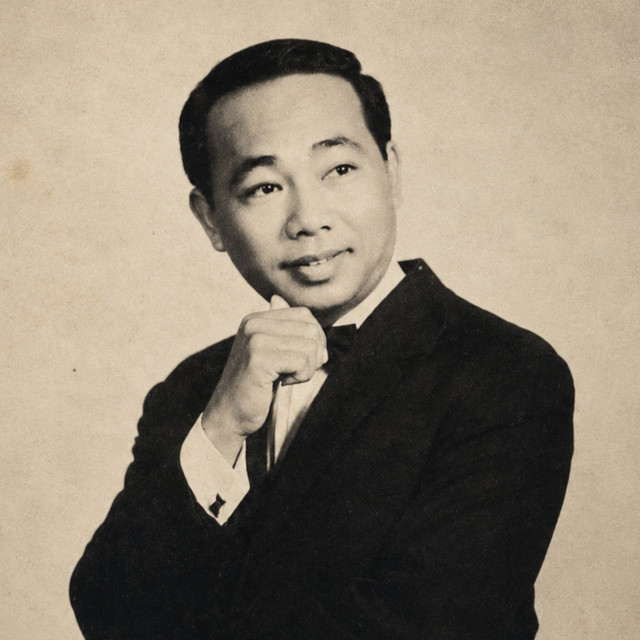
In the late 1950s, imported records helped stimulate a pop scene in Phnom Penh, where singers combined Cambodian forms with international influences. In 1959, brothers Mol Kagnol and Mol Kamach formed Baksey Cham Krong, widely considered Cambodia’s first rock band. Their popularity encouraged other performers, including Sinn Sisamouth, to add rock to their repertoires.
Expansion and interruption
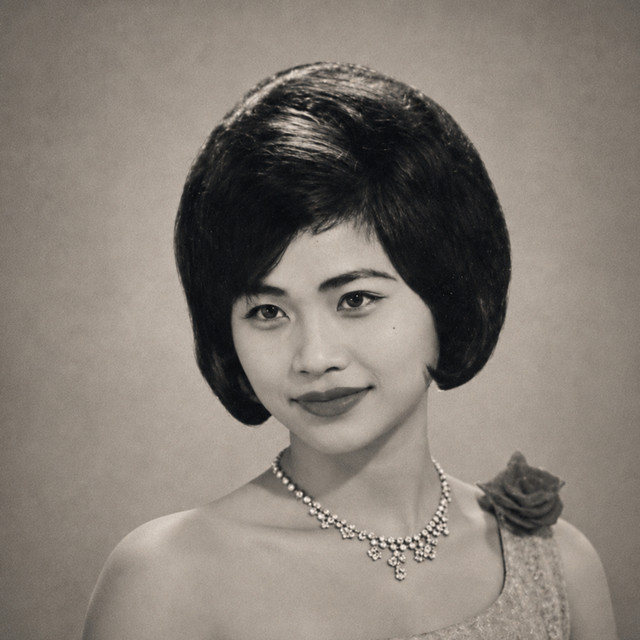
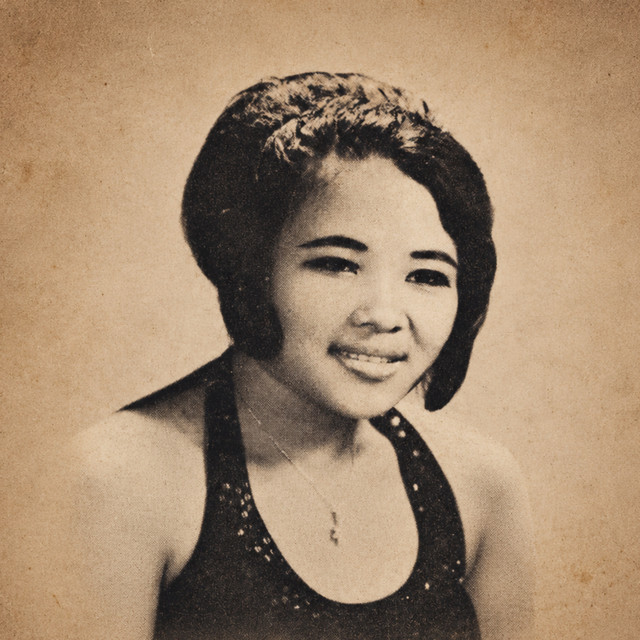
During the 1960s, Sisamouth became a leading pop performer and helped foster younger singers. Pen Ran moved into rock, while Ros Serey Sothea became a leading female singer in the scene. Radio broadcasts intended for U.S. forces in the region introduced further rock and soul influences. Around 1970, the scene diversified further, encompassing performers such as Yol Aularong, Meas Samon and Liev Tuk, as well as the hard-rock band Drakkar.
The scene was crushed after the Khmer Rouge took power in April 1975. Many musicians disappeared or were executed during the Cambodian genocide, and much recorded material was destroyed or lost. The exact fates of many performers remain unconfirmed.
Recovery and rediscovery
After the Khmer Rouge period, surviving musicians returned to work, while Cambodian popular music developed in new directions. The compilation Cambodian Rocks, first released in 1996, helped bring older recordings to a wider audience. The 2015 documentary Don't Think I've Forgotten further renewed international interest, and later musicians have revisited the songs through covers and new music.
Combine song traditions
Work in the spirit of the scene by bringing elements of Cambodian musical forms into a pop or rock song, rather than treating the scene as a fixed formula. Build a clear vocal melody and let the arrangement respond to it; the original performers worked across rock songs, ballads and other popular forms.
Shape the sound
For a guitar-led approach, you could use a compact rock-and-roll band arrangement, then explore the more saturated textures associated with garage or psychedelic rock. For a different direction, draw on soul-influenced singing or a more intimate acoustic presentation. These are options within the scene’s broad range, not ingredients every song needs.
Voice and performance
Consider an expressive high-register vocal with quick octave shifts inspired by the Cambodian “ghost voice” technique used by some singers. Duets are another possible way to develop a song: contrast two vocal characters or have them answer one another. You could also write lyrics and arrange the performance to bring out playful, satirical or melancholy moods.



Best playlists

Influenced by