Your digging level

For this genre
0/8
🏆
Sign in, then listen to this genre to level up

Description

BAPS is a devotional genre associated with the Bochasanwasi Akshar Purushottam Swaminarayan Sanstha (BAPS), a Hindu movement rooted in Gujarat, India. The music centers on bhajans, kirtans, ārtis, shlokas, and mangalācharans that praise Bhagwan Swaminarayan and celebrate the Akshar–Purushottam philosophy.

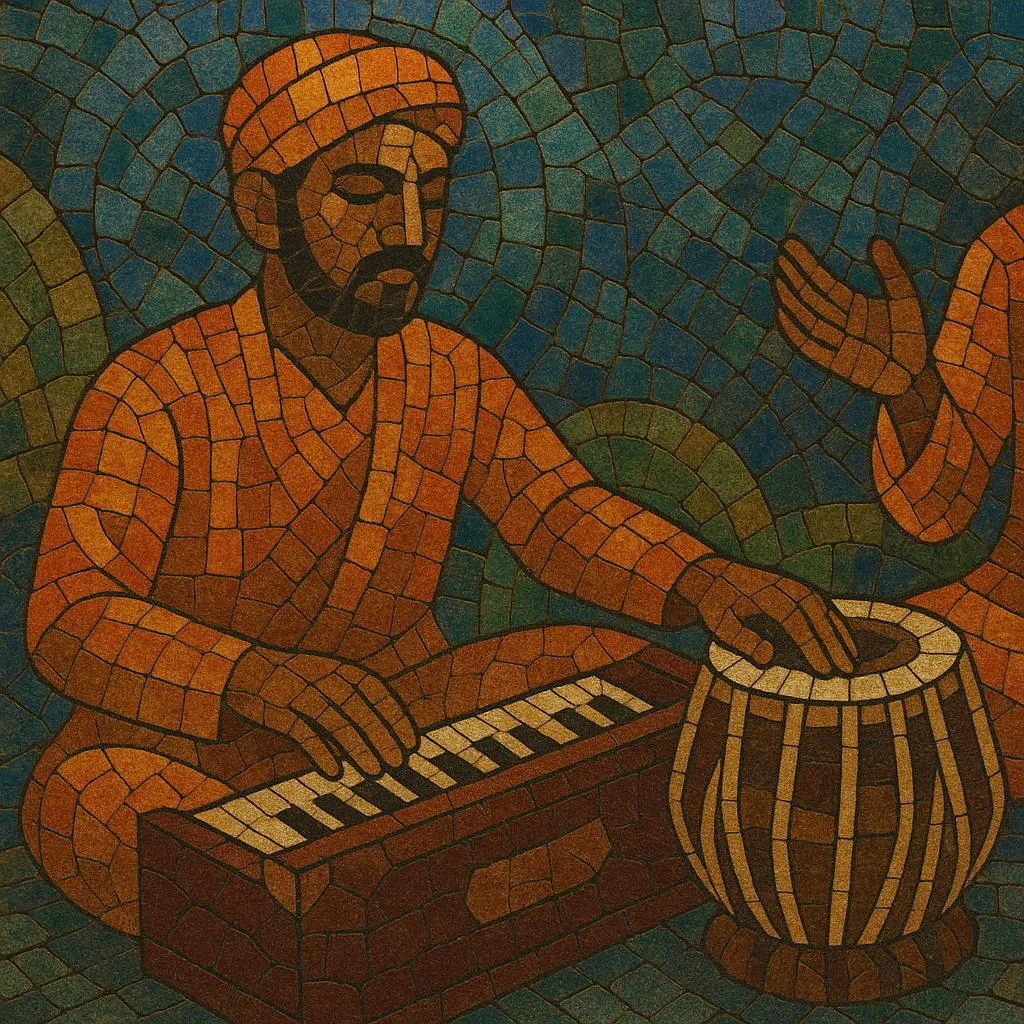
Stylistically, it blends traditional Gujarati and North Indian devotional practices—raga-informed melodies, call-and-response kirtan, and Sanskrit/Gujarati texts—with modern presentation. Performances often feature harmonium, tabla/dholak, manjīrā, handclaps, and choral responses, while larger temple or festival settings add violin sections, flute (bānsurī), keyboards, and light orchestration. Recordings and live “kirtan ārādhana” programs emphasize congregational singing, lyrical clarity, and uplifting devotion.

In the global BAPS diaspora, this repertoire has been arranged for youth choirs and multi-instrumental ensembles, retaining authenticity while adopting contemporary production values for cassettes, CDs, and digital releases.


Sources: Spotify, Wikipedia, Discogs, RYM, MB, user feedback and other online sources

History

Origins

BAPS was founded in 1907 in Gujarat, India, within the broader Swaminarayan tradition. Its devotional music grows from centuries of bhajan and kirtan practice, particularly the poetic output of early Swaminarayan saint-poets (Nand sants) whose Gujarati and Sanskrit hymns became a living canon in temples and homes.

Institutionalization and Early Recordings (1970s–1990s)

With the spread of BAPS temples (mandirs) in India and abroad, the organization began documenting and standardizing its liturgical repertoire. From the 1970s onward, temple ensembles and sadhus produced cassette and later CD recordings. “Kirtan ārādhana” programs emerged as concert-like devotional gatherings, presenting traditional lyrics with disciplined choral response, harmonium-led melody, and tabla/dholak accompaniment.

Globalization and Modern Presentation (2000s–present)

As BAPS communities flourished in North America, Europe, Africa, and Asia, choirs and youth ensembles adapted the repertoire to large auditoriums and international festivals. Arrangements added violin/bānsurī lines, pads/strings, and high-fidelity production, while preserving raga contours and Gujarati diction. Digital platforms broadened access, and mass-participation singing remained central—linking diaspora devotees to the tradition’s Gujarat roots. Today, BAPS music functions both as daily worship (āarti, prārthanā, shloka) and as staged devotional performance, balancing authenticity with contemporary clarity.

How to make a track in this genre

Core texts and language
•   Use canonical Swaminarayan devotional texts (bhajans, kirtans, ārtis, mangalācharans) in Gujarati and/or Sanskrit. •   Emphasize clear enunciation and congregationally singable refrains; devotional meaning and simplicity take precedence over vocal virtuosity.
Melody and raga
•   Compose within accessible Hindustani raga frameworks (e.g., Yaman, Bhairav, Bhupali) that suit congregational range. •   Favor stepwise, arching melodies with a memorable sthāyī (refrain) and a few compact antarās (verses); •   Maintain a devotional, uplifting contour—avoid excessive melisma that obscures congregational participation.
Rhythm and tala
•   Use steady tālas such as Teentaal (16), Keharwa (8), or Dadra (6) for most bhajans; keep tempos moderate to support mass singing. •   For celebratory items, adapt Gujarati garbā/dandiya rhythms while keeping lyrics devotional and dignified.
Instrumentation and texture
•   Core ensemble: harmonium leading, tabla or dholak for tala, manjīrā/handclaps for pulse, and a small choral group for responses. •   Expanded settings: add bānsurī (flute), violin section, tanpura drone (or electronic śruti), and soft pads/strings for sustain. •   Arrange call-and-response between lead vocalist (or sadhu) and chorus; layer drone and light countermelodies that never overpower the text.
Form and performance practice
•   Begin with a short śloka or invocatory line; present verses with congregational refrains; conclude with a prayerful cadence. •   Keep dynamics devotional: warm, uplifting climaxes rather than showy crescendos; prioritize congregational engagement over solo display. •   In live “kirtan ārādhana” format, sequence pieces to move from invocation → praise → reflective devotion → concluding āshiervad (blessing) mood.
Production tips
•   Prioritize lyric intelligibility (close miking for lead, balanced choir). Use natural reverb to emulate temple acoustics. •   Maintain pitch reference (śruti/tanpura) throughout; avoid overly dense mixes so the mandali (choir) remains clear and inviting.

Top tracks

Locked
Share your favorite track to unlock other users’ top tracks

Upcoming concerts

in this genre
Influenced by

Download our mobile app

Get the Melodigging app and start digging for new genres on the go
© 2026 Melodigging
Melodding was created as a tribute to Every Noise at Once, which inspired us to help curious minds keep digging into music's ever-evolving genres.
Buy me a coffee for Melodigging