Description
Bambera is a flamenco song form derived from the Andalusian cante de columpio, or swing song. Its older social setting involved people singing as a swing moved, with singers in the group and on the swing answering one another.
In its flamenco development, the form acquired the twelve-count rhythmic pattern of soleá. Its verses use short, measured lines and often repeat lines at the end. The older swing-song tradition could give voice to the shifting emotions between lovers, from tenderness to jealousy and resentment.
History
Swing-song roots
Bambera grew out of an Andalusian tradition of songs associated with swinging. These songs were also known as bambas or mecederos. An account published in 1868 by Jose de Bisso describes a communal setting in which people sang and pushed a swing while those on it responded.
Development as flamenco
The creation of the flamenco bambera is attributed to La Niña de los Peines. Naranjito de Triana later developed the form by giving it the twelve-count rhythmic pattern of soleá.
Recorded interpretations
The form has been recorded by singers including La Niña de los Peines, Enrique Morente, Carmen Linares and Rocío Jurado.
Shape the verse
Write a stanza of four eight-syllable lines. Alternatively, use seven syllables in the first and third lines and five in the second and fourth. Repeat the first two lines at the end, or repeat only the second line to make a five-line verse.
Work with the rhythm
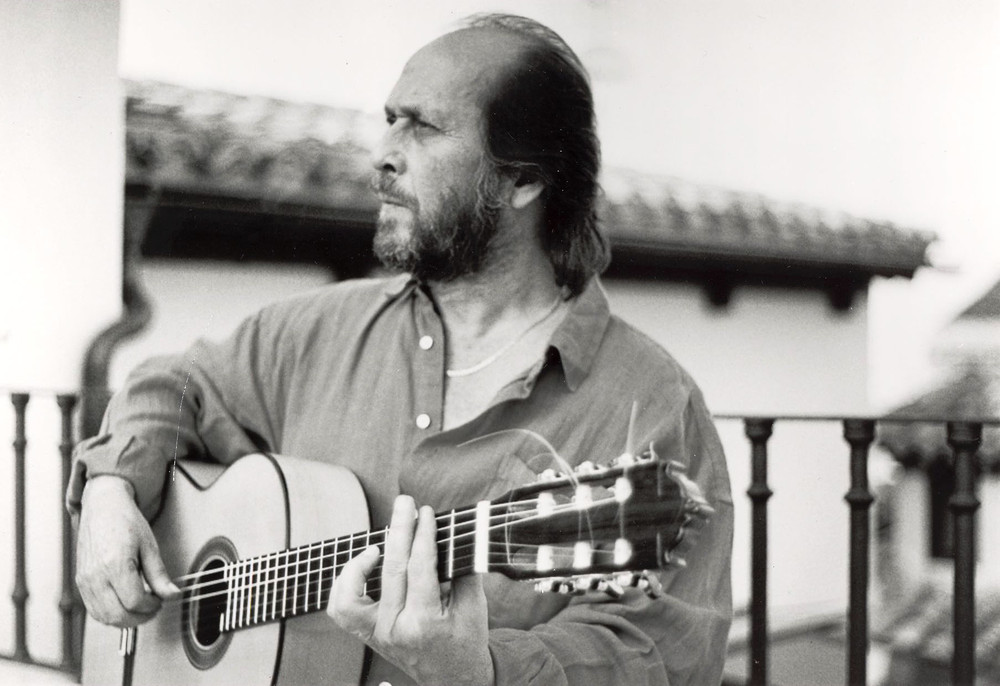
Organize the singing around the twelve-count pattern of soleá, leaving room for the words and their repetitions to settle into the cycle. You could draw on flamenco practice by using guitar accompaniment to support the vocal phrases rather than crowd them.
Develop the delivery
The swing-song tradition suggests an answering design: try alternating a lead singer with a responding voice or group. A verse could explore an exchange of feeling between lovers, allowing the delivery to shift between tenderness, complaint and jealousy.