Your digging level
Description
Baltimore indie is the umbrella term for the constellation of DIY-minded indie rock, dream pop, and experimental pop that coalesced in Baltimore, Maryland in the mid‑2000s and continued through the 2010s.
It blends intimate, lo‑fi songwriting and art‑rock experimentation with lush, reverb‑washed textures and, at times, dance‑leaning electronics. The scene’s sound ranges from hazy, melancholic dream pop to kinetic, communal synth‑driven anthems, unified by a strong DIY ethic, idiosyncratic production choices, and a tight community built around local venues and artist collectives.
History
Baltimore already had a strong underground and post‑hardcore lineage in the 1990s (e.g., Lungfish) and a long tradition of experimental activity (the Red Room/High Zero). This foundation primed the city for an eclectic indie community that favored unconventional venues and collaborative bills.
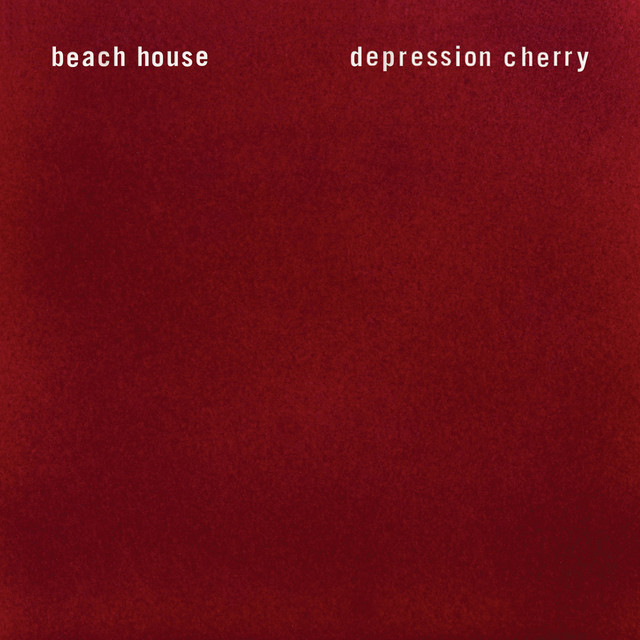
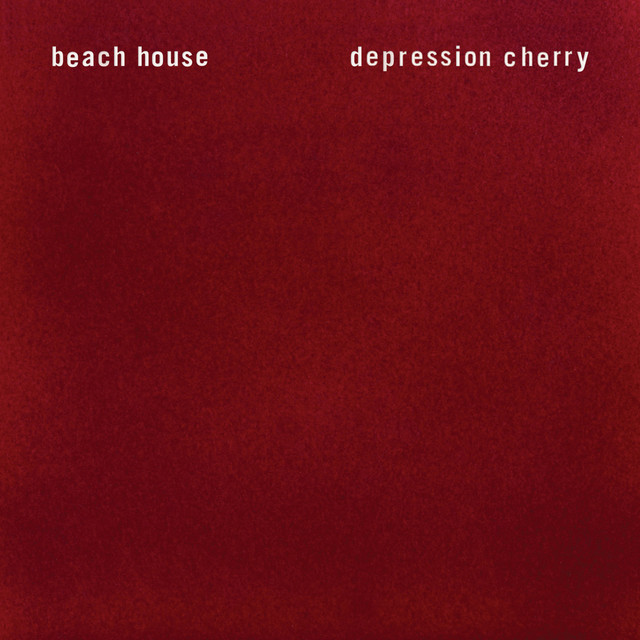
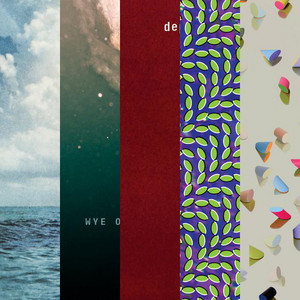
By the mid‑2000s, the Wham City collective (centered around Dan Deacon) catalyzed a surge of activity—house shows, multimedia events, and the Round Robin tours. Around the same time, Beach House and Wye Oak emerged with a more introspective, dream‑tinged indie sound, while Ponytail and Double Dagger pushed art‑punk and post‑hardcore energy. DIY spaces (e.g., Floristree; the Copycat Building) and clubs such as the Ottobar and Sonar became hubs. Labels like Carpark, Merge, Thrill Jockey, and later Domino/Ribbon amplified national attention.
Future Islands’ emotive, synth‑driven performances (notably a 2014 late‑night TV breakthrough) and Dan Deacon’s participatory electronic shows brought broader visibility. Lower Dens distilled a moody, minimalist indie aesthetic, while Ed Schrader’s Music Beat, Dope Body, and Celebration kept the city’s raw, art‑first character in focus. The scene remained porous, with artists arriving from elsewhere and cross‑pollinating with local traditions (even the city’s club music energy influenced some live/electronic approaches).
Despite venue closures and shifting economics, Baltimore’s indie ecology persists through rotating DIY spaces, community‑run events, and a steady stream of emerging artists (e.g., Snail Mail’s indie‑rock ascent). The city’s hallmark remains a balance of warmth and weirdness: inviting melodies, handcrafted production, and a collaborative spirit that keeps the scene renewing itself.