Your digging level
Description
Balkan Folk Metal is a fusion genre that combines the aggression and instrumentation of heavy metal (often black, death, or thrash metal) with the traditional folk music of the Balkan Peninsula.
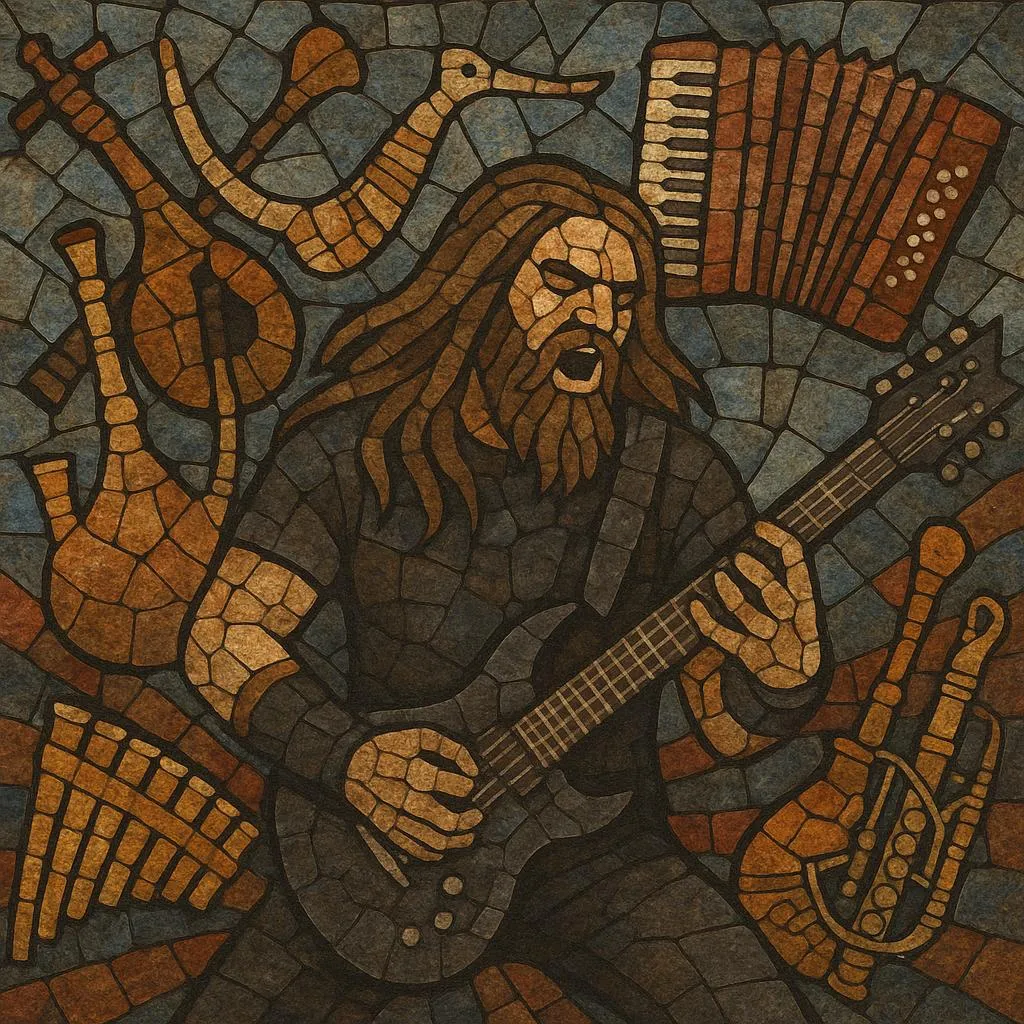
It is characterized by the use of regional instruments such as the pan flute (nai), bagpipes (gaida), tambura, accordion, and caval, often played alongside distorted electric guitars and double-bass drumming.
The genre frequently incorporates complex asymmetric rhythms (aksak) typical of the region, such as 5/8, 7/8, or 9/8 time signatures, creating a unique, dancing groove within the heavy metal framework.
Lyrically, it explores themes of local mythology, history, nature, paganism, and folklore, often sung in native languages like Romanian, Bulgarian, or Serbian.


History
The genre's roots can be traced back to the broader European folk metal movement of the 1990s, pioneered by bands like Skyclad, but it developed a distinct regional identity in the Balkans during the mid-to-late 90s.
In 1995, the Romanian band Negură Bunget formed, becoming a seminal act by blending atmospheric black metal with Transylvanian spirituality and traditional instrumentation, setting a high standard for the genre.
Simultaneously, in Bulgaria, the band Balkandji formed in 1999, introducing a style that heavily featured complex irregular rhythms and a mix of hard rock with Bulgarian folklore.
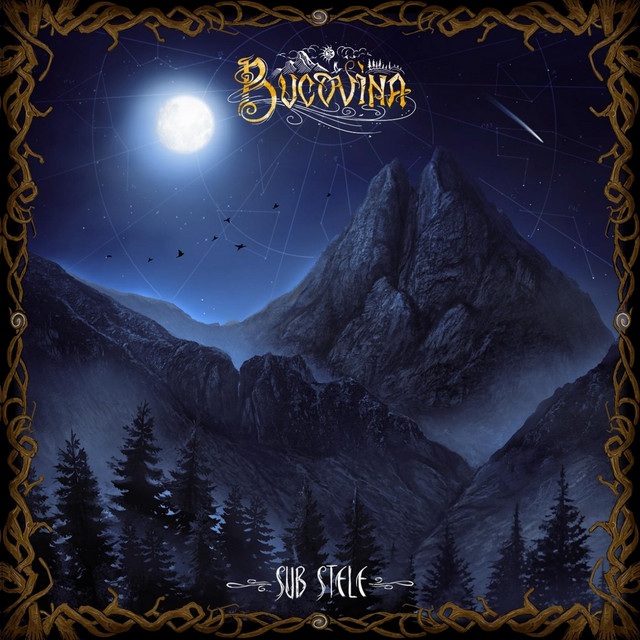
The 2000s saw an explosion of the scene, particularly in Romania, with the rise of bands like Bucovina, who adopted a more upbeat, 'heavy folk' approach, and Dirty Shirt, who incorporated industrial and crossover elements.
The genre has since continued to evolve, with modern acts like E-an-na and Sur Austru blending progressive metal elements and preserving the legacy of the early pioneers.
To compose Balkan Folk Metal, start by establishing a heavy metal foundation using distorted electric guitars and a driving drum beat, but prioritize odd time signatures like 7/8 (3+2+2) or 9/8 (2+2+2+3) to capture the 'aksak' rhythm.
Integrate traditional melodies using authentic instruments or samples; the kaval (flute), gaida (bagpipe), or accordion are essential for carrying the main folk motifs.
Harmonically, utilize scales common in Balkan music, such as the Phrygian dominant, Hijaz, or harmonic minor, to create a distinct eastern European tension and atmosphere.
For vocals, alternate between harsh metal growls to represent the aggressive elements and clean, powerful choral singing or traditional folk vocal styles to highlight the cultural heritage.
Lyrically, focus on topics related to the region's nature, ancient Dacian or Thracian history, local legends, and a deep connection to the land.