Your digging level
Description
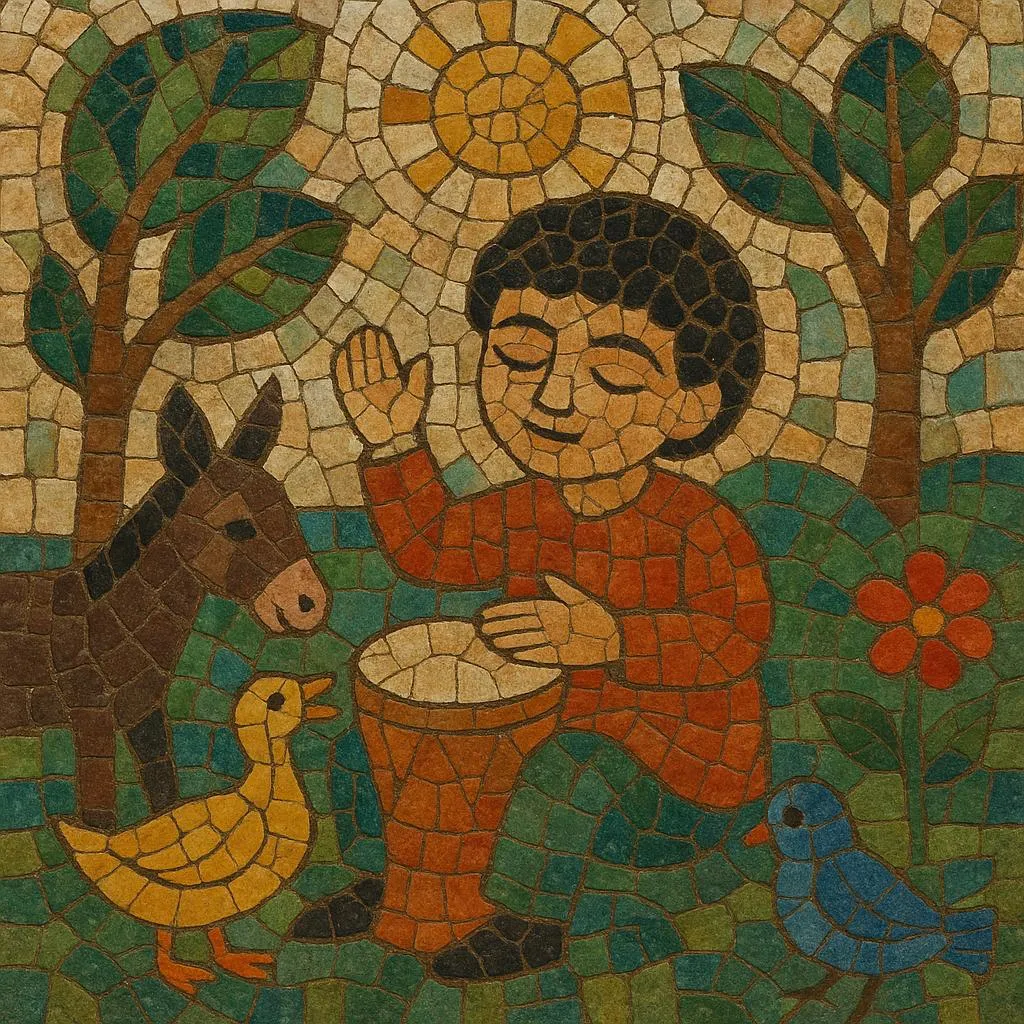
Aghani lil-atfal (أغاني للأطفال) literally means “songs for children” in Arabic and refers to the Arabic-language repertoire of children’s music across the Middle East and North Africa.
The style blends traditional lullabies and folk rhymes with modern pop sensibilities, educational lyrics, and catchy refrains designed for participation (clapping, call-and-response, sing-along choruses). Musically, it favors clear, stepwise melodies often drawing on accessible maqām flavors (e.g., Nahāwand/“natural minor,” Bayātī) and simple iqaʿāt (rhythmic cycles) such as maqsūm or malfūf at moderate, danceable tempos.
Texts focus on counting, colors, animals, hygiene, family, friendship, and civic or moral values. Performances range from children’s choirs and school ensembles to well-known pop vocalists recording dedicated albums for kids, as well as TV/cartoon theme music and classroom songs.
History
Informal Arabic lullabies and children’s folk rhymes long predate recording and broadcasting. These oral forms provided the melodic contours, repetitive structures, and simple imagery that later fed into the modern repertoire of children’s songs.
With the expansion of radio, cinema, and early television—especially in Egypt—dedicated children’s songs began to be written, recorded, and used in educational and entertainment programming. Clear diction in Modern Standard Arabic (MSA) made songs broadly understandable across the Arabic-speaking world, while local dialects appeared in more region-specific productions.
Public broadcasting networks and school systems commissioned teaching songs, and children’s theatre/musicals flourished (notably in Lebanon and Egypt). Composers adapted simple maqām-based melodies and iqaʿāt into short, hooky forms suitable for young voices, often arranged for small ensembles or children’s choirs.
Cheap cassettes and later satellite TV helped kids’ songs travel regionally. Dedicated children’s channels emerged, alongside cartoon dub houses and educational producers. Many iconic theme songs and sing-alongs from this period cemented the sound of modern aghani lil-atfal: concise, melodic, and values-focused.
YouTube and streaming services transformed production and distribution, enabling animated lyric videos, motion-driven nursery content, and school-ready materials. The repertoire now spans MSA for cross-border comprehension and a variety of dialects for local resonance, while retaining the core features: memorable hooks, age-appropriate topics, and participatory rhythms.