Genres
Artists
Albums
Make Music
Sign in
Sign in
Artists
J-R&b
Artists
J-R&b
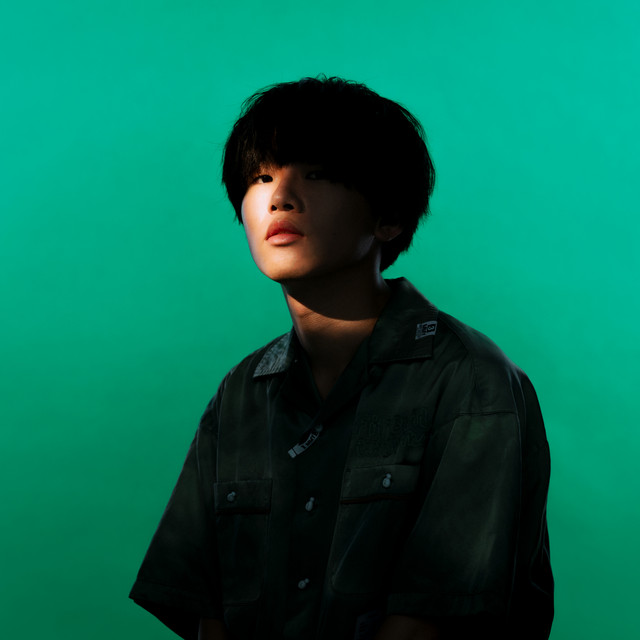
ZETTAKUN
Listen
2
/5
Genres
Lo-Fi Emo
Lo-fi emo is a DIY offshoot of the emo tradition that blends emotionally direct songwriting with the intimate aesthetics of home recording. It favors tape- or laptop-recorded sounds, audible room noise and hiss, simple guitar figures, and hushed, conversational vocals. Musically it often draws on twinkly Midwest-emo guitar voicings or sparse acoustic strums, minimal drum programming or lightly mic’d kits, and gentle reverb or chorus for a soft, dreamy patina. Lyrics are introspective and confessional—journals set to music—highlighting vulnerability, loneliness, nostalgia, and fleeting moments of connection. The genre flourished on Bandcamp, Tumblr, and SoundCloud, where micro-labels and peer-to-peer communities enabled rapid sharing of demos, splits, and cassette runs. Its low barrier to entry and personal tone made it a recognizable aesthetic across the 2010s and into the streaming era.
Discover
Listen
J-R&b
J-R&B (Japanese R&B) is Japan’s domestic take on contemporary R&B, blending American R&B, soul, hip hop, and new jack swing aesthetics with Japanese pop songwriting and linguistic nuance. It typically features slick, groove-forward production, jazzy extended chords, and emotive vocal performances rich in melisma, ad‑libs, and layered harmonies. Lyrics often alternate between Japanese and English phrases, and themes cover romance, self-empowerment, and urban introspection. From late-1990s pioneers to 2000s chart success, J-R&B became a core pillar of the wider J‑Pop/J‑Urban movement, shaping the sound of mainstream pop, idol music, and even K‑Pop’s early development.
Discover
Listen
J-Rap
J-rap (Japanese rap) is Japan’s interpretation of hip hop culture and MCing, performed primarily in Japanese and shaped by local sensibilities. It blends the rhythmic delivery and beat aesthetics of American hip hop with Japanese language prosody, pop sensibility, and occasional traditional or city-pop sampling. Since the early 1990s, J-rap has spanned boom-bap, jazz-rap, pop-rap crossovers, and modern trap, while sustaining a strong DJ and club culture alongside lyrical scenes focused on social commentary and wordplay.
Discover
Listen
Japanese Indie
Japanese indie refers to Japan’s independent rock and pop scenes that developed outside the major-label idol system. It blends DIY production and small-label distribution with a wide palette of sounds, from jangly guitar pop and post‑punk angularity to dreamy shoegaze and lo‑fi recordings. The scene is anchored by “live houses” (small venues) around Tokyo (Shimokitazawa, Koenji, Shinjuku), Osaka, Kyoto, and Fukuoka. Artists often sing in Japanese (sometimes mixing English), with introspective, everyday-life lyrics and arrangements that prize dynamics, texture, and melody over flashy virtuosity. Aesthetically, Japanese indie inherits Western indie rock’s DIY ethos while retaining local melodic sensibilities shaped by kayōkyoku and city pop. Production ranges from 4‑track cassette grit to clean, minimal studio mixes, but the emphasis remains on authenticity, atmosphere, and the energy of the live circuit.
Discover
Listen
Similar artists
3
/5
iri
City Pop
J-Rap
Japanese Indie
3
/5
Mamiko Suzuki
J-R&b
J-Rap
Japanese Indie
3
/5
Sweet William
Tape Club
J-R&b
J-Rap
3
/5
kojikoji
J-R&b
J-Rap
Japanese Indie
3
/5
SUKISHA
City Pop
J-R&b
J-Rap
2
/5
VivaOla
J-R&b
J-Rap
Japanese Indie
2
/5
クボタカイ
J-Pop
J-R&b
J-Rap
2
/5
maco marets
City Pop
J-R&b
J-Rap
2
/5
Izumi Makura
J-R&b
J-Rap
Japanese Indie
2
/5
SARA-J
J-R&b
J-Rap
Japanese Indie
Download our mobile app
Get the Melodigging app and start digging for new genres on the go
Download on the App Store
Get it on Google Play
© 2026 Melodigging
Give feedback
Legal
Melodding was created as a tribute to
Every Noise at Once
, which inspired us to help curious minds keep digging into music's ever-evolving genres.