Genres
Artists
Albums
Make Music
Sign in
Sign in
Artists
Rave
Artists
Rave
U96
1992–2000
·
3 albums
Listen
3
/5
Genres
Epadunk
Epadunk (also called raggardunk) is a Swedish party‑centric microgenre that fuses high‑energy electronic dance templates with blunt, humorous and often risqué lyrics about rural cruising culture, alcohol and sex. Its name references EPA/A‑tractors—heavily modified slow‑moving cars driven by Swedish teens—that blast these tracks through oversized sound systems. Musically it draws on EDM and 1990s Eurodance hooks, sing‑along choruses and booming, car‑audio‑friendly low end. Culturally it sits inside the youth “EPA” scene and raggare tradition, where showing off vehicles and bass is part of the lifestyle. The sound crossed over nationally in 2022 when several epadunk acts dominated Sweden’s streaming charts.
Discover
Listen
Rave Funk
Rave funk is a contemporary Brazilian club style that fuses the raw percussion, call‑and‑response vocals, and gritty bass of funk carioca with the supersaws, hoover stabs, white‑noise risers, and big‑room drops of EDM and rave. Typically sitting between 140–150 BPM (often at the Brazilian "150 BPM" pace), it uses the tamborzão or mandelão drum feel under festival‑scale synth builds and DJ‑friendly drops. The result is a high‑impact, dance‑floor sound that keeps the street energy of funk while adopting the dramatic structures of modern rave.
Discover
Listen
Experimental Indie
Experimental indie is a broad, exploratory wing of independent rock and pop that prioritizes curiosity over convention. It blends DIY recording practices with off‑kilter song forms, unusual timbres, and a willingness to fold in ideas from avant‑pop, noise, electronic music, and psych. Rather than a fixed sound, it is a method and attitude: use the tools at hand (bedroom rigs, pedals, samplers, tape, software) to push past genre borders, while keeping the immediacy and intimacy of indie. Expect jagged rhythms, warped hooks, collage‑like arrangements, and production choices that foreground texture as much as melody.
Discover
Listen
Modern Downshift
Modern downshift is a contemporary, playlist-era microgenre that blends hushed alternative pop and alt‑R&B sensibilities with the spaciousness of downtempo and ambient pop. Songs are typically slow to mid‑tempo, minimal in arrangement, and intimate in vocal delivery—often breathy, close‑miked, and confessional. Production emphasizes warmth and negative space: soft sub‑bass, restrained percussion, reverb‑washed pads or guitars, and gentle saturation that keeps the overall texture velvety and nocturnal. Lyrically, the style skews introspective and late‑night: relationships, vulnerability, quiet self‑reflection, and the emotional afterglow of parties or city drives. The result is music that feels low‑key and cinematic—designed as much for solitary listening as for low‑light social settings.
Discover
Listen
Big Room House
Big room house is a festival-focused strain of EDM built for massive sound systems and outdoor main stages. It typically runs around 126–132 BPM (most commonly 128), uses four-on-the-floor kick patterns, and features huge, simple lead riffs designed to be instantly memorable to large crowds. A defining trait is the contrast between cinematic, reverb-washed breakdowns and ultra-dry, percussive drops driven by a powerful kick, sub, and a few bold supersaw or horn-like synth stabs. Arrangements lean on dramatic builds with snare rolls, risers, and crowd-hyping vocal chops, culminating in drops that emphasize impact over harmonic complexity.
Discover
Listen
Broken Transmission
Broken transmission is a vaporwave-adjacent microgenre built from fragmented, channel-surfing collages of analog broadcast ephemera. Producers splice together tiny shards of TV idents, news stingers, commercials, interstitial music, and dead air, emphasizing tape hiss, static, dropouts, and tuning noise as musical material. Often beatless or only loosely pulsed, tracks unfold like late-night flipping through channels: abrupt cuts, fleeting jingles, station sign‑offs, and half-heard voiceovers that dissolve into snow. The result is a liminal, hauntological mood—nostalgia filtered through the mechanical errors and material decay of VHS, cable boxes, and broadcast tape. Where classic vaporwave slows and loops pop smoothness, broken transmission foregrounds the texture of the medium itself. It treats errors, transitions, and broadcast artifacts as hooks, creating an uncanny documentary of mediated memory.
Discover
Listen
Deep Euro House
Deep Euro House is a European-bred, melodically rich branch of deep house that blends club-ready four‑on‑the‑floor grooves with warm, emotive sound design and pop-aware songcraft. It favors lush pads, silky basslines, soft piano or guitar stabs, and subtly processed vocals, often in minor keys with bittersweet chord changes. Compared with classic Chicago deep house, Deep Euro House leans more cinematic and refined: filtered synth swells, sidechained textures, airy reverbs, and clean, modern low end. Tempos typically sit around 118–124 BPM, with grooves that feel unhurried yet propulsive—equally at home on late-night dancefloors and in headphone listening. The "Euro" aspect reflects not only its geography (Germany, Switzerland, France, the Netherlands, Austria, Belgium) but also a melodic sensibility shaped by European club culture, indie electronica, and Balearic moods: wistful, romantic, and polished without losing house’s foundational swing.
Discover
Listen
Drift
Drift is a contemporary micro-style of ambient centered on slowly evolving tonal beds, gentle tape-worn textures, and an emphasis on atmosphere over event. It favors long decays, soft-focus harmonies, and minimal or absent percussion so that sounds seem to hover and "drift" in place. Production typically blends synth pads, processed guitar, and found sounds with heavy use of reverb, delay, and subtle modulation. Compared to classic dark ambient, drift is warmer and more consonant; compared to new age, it is more textural and reductionist. The result is music designed for deep listening, sleep, study, or contemplative environments.
Discover
Listen
Fake
“Fake” is an informal, streaming-era genre tag used for sound‑alike covers, karaoke takes, tribute recordings, and generic instrumental remakes that closely mimic current or classic hits. Rather than foregrounding the original songwriter’s concept, these recordings prioritize recognizability, search optimization, and fast turnaround. Session singers and studio players reproduce the hook, tempo, and arrangement with minimal reinterpretation; track and artist names often echo the original title or lyrical catchphrase to capture search traffic.
Discover
Listen
Lo-Fi House
Lo-fi house is a strain of house music that embraces imperfections—tape hiss, vinyl crackle, overdriven drums, and slightly detuned synths—to evoke warmth and nostalgia. It retains a classic 4/4 house pulse but softens the edges with hazy pads, subdued vocals, and wistful melodies. Emerging as an internet-driven micro–scene, the style often uses inexpensive or deliberately degraded production chains (cassette saturation, bit reduction, SP-404–style resampling) to achieve its character. The result is dance music that feels intimate and bedroom-made, equally suited to small dancefloors and solitary late-night listening.
Discover
Listen
Bubble Trance
Bubble trance is a highly melodic, pop-leaning branch of late-1990s European trance characterized by bright, "bubbly" lead synths, catchy toplines, and big hands-in-the-air breakdowns. Producers favor simple, earworm hooks (often sung by female vocalists or rendered as lead-synth melodies), glossy supersaws and plucks, and clean, side‑chained pads that create a buoyant, effervescent feel. Rhythms are four-on-the-floor at club-ready tempos, with snare rolls, white-noise risers, and dramatic filter sweeps leading into euphoric drops. Compared with harder German/Dutch hard trance, bubble trance softens the edges, borrowing pop song structure and Eurodance accessibility while preserving trance’s build‑and‑release architecture and atmospheric uplift.
Discover
Listen
Eurodance
Eurodance is a high-energy, club-oriented pop style that emerged in Europe in the early 1990s. It is characterized by a strong four-on-the-floor kick, catchy synth hooks, prominent piano riffs, and a blend of sung choruses (often female) with rap verses (often male). The style typically runs between 128–145 BPM, favors simple, anthemic chord progressions, and emphasizes uplifting, motivational, or romantic lyrics delivered in English for international appeal. Production commonly features staccato house pianos, bright saw-lead melodies, choir/strings pads, and tight drum-machine patterns with offbeat open hi-hats. The result is hook-driven dance-pop designed for maximum radio and dancefloor impact.
Discover
Listen
Happy Hardcore
Happy hardcore is a fast, euphoric branch of the early UK rave continuum characterized by brisk tempos, 4/4 kicks, bright piano stabs, supersaw leads, and pitched-up “chipmunk” vocals. It emphasizes major-key harmony, catchy melodies, and ecstatic breakdowns, aiming for maximum uplift on the dancefloor. Compared to darker hardcore and gabber, happy hardcore favors feel-good hooks, singalong choruses, and sentimental atmospheres while retaining the relentless energy and drive of hardcore techno.
Discover
Listen
Belgian Techno
Belgian techno is a dark, high-energy branch of European techno that crystallized at the turn of the 1990s from Belgium’s late‑1980s new beat and EBM scenes. It is characterized by pounding TR‑909 kick drums, aggressive minor‑key riffs, and the iconic “hoover” or “mentasm” rave stab that became a calling card of early European rave. Compared to Detroit’s sleeker futurism, Belgian techno leans heavier, more industrial, and more macabre, often adding orchestral hits, distorted bass, and stark, chant‑like vocal samples. Tempos typically sit around 130–145 BPM, with arrangements built for big rooms: long tension builds, explosive drops, and relentless propulsion designed for cavernous clubs and warehouse raves.
Discover
Listen
Hard Trance
Hard trance is a high‑energy branch of trance that emerged in the German rave scene in the early–mid 1990s. It pairs the genre’s long, euphoric breakdowns and melodic hooks with tougher production: punchy, often clipped 909‑style kicks, off‑beat open hi‑hats, grinding or rolling basslines, and aggressive supersaw or acid leads. Typically running around 138–148 BPM, hard trance emphasizes dramatic builds, snare rolls, white‑noise risers, and tension‑and‑release drops. Its harmonic language leans minor and modal, producing a mood that is simultaneously uplifting and intense. The result is a club‑ready sound designed for big rooms and festivals, bridging early trance euphoria with techno’s percussive bite.
Discover
Listen
Rave
Rave is a high-energy electronic dance music style and party culture that crystallized in the late 1980s in the United Kingdom, growing out of acid house nights and warehouse parties. Musically, it emphasizes relentless dance-floor momentum, big breakdowns and drops, bright "rave stabs" and hoover leads, chopped breakbeats or four-on-the-floor kicks, and euphoric vocal samples. While the word "rave" refers to the broader culture of all-night events, the genre tag often points to the early 1990s UK sound sometimes called hardcore rave or breakbeat hardcore: uptempo BPMs, Amen/Think breaks, 808/909 drums, M1 piano riffs, diva hooks, sirens, and airhorns. The mood ranges from ecstatic and communal to dark and intense, with DJ-friendly structures designed for long blends and peak-time rushes.
Discover
Listen
Techno
Techno is a four-on-the-floor, machine-driven form of electronic dance music that emerged in mid-to-late 1980s Detroit. It is characterized by steady 4/4 kick drums, repetitive and hypnotic rhythmic patterns, synthetic timbres, and an emphasis on texture, groove, and forward momentum over elaborate harmony. Producers typically use drum machines, sequencers, and synthesizers to build layered percussion, pulsing basslines, and evolving motifs. While often dark and minimalistic, techno spans a wide spectrum—from soulful, futuristic Detroit aesthetics to hard, industrially tinged European strains—yet it consistently prioritizes kinetic energy for dancefloors and a sense of machine futurism.
Discover
Listen
Show all 17 genres
Albums
2000
2
/5
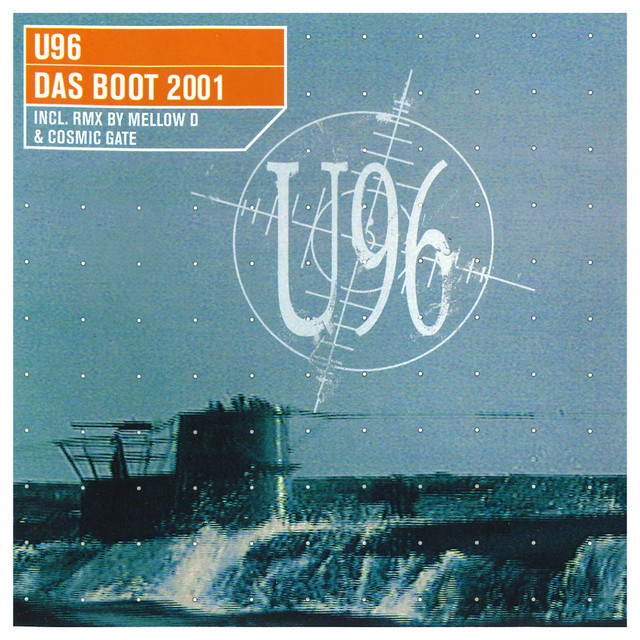
Das Boot 2001
U96
Bubble Trance
1995
2
/5
Das Boot
U96
Bubble Trance
Rave
1992
3
/5
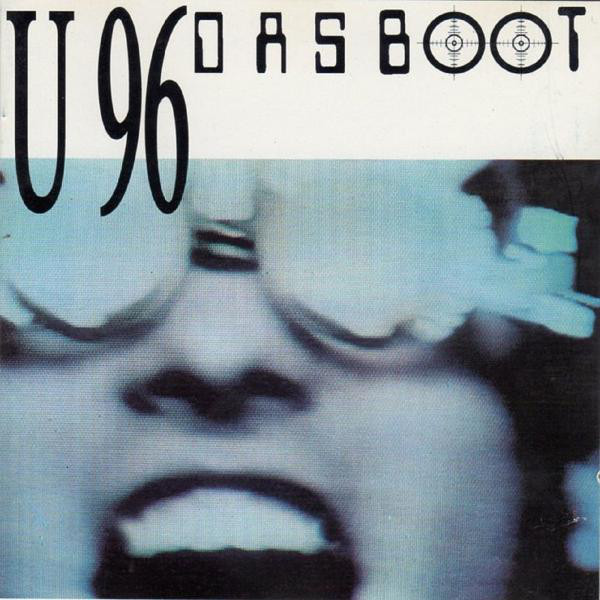
Das Boot
U96
Belgian Techno
Similar artists
1
/5
Various Artists
Afro-Funk
Alternative Rock
Ambient
4
/5
Scooter
Happy Hardcore
Hardstyle
Electronic
3
/5
Mark 'Oh
Bubble Trance
Eurodance
Happy Hardcore
3
/5
Dune
Happy Hardcore
Electronic
Eurodance
4
/5
S3RL
Freeform Hardcore
Happy Hardcore
Rave
3
/5
Apollo 440
Big Beat
Breakbeat
Rave
4
/5
Sylver
Bubble Trance
Eurodance
Raw Techno
3
/5
2 Brothers On The 4th Floor
Deep Big Room
Eurodance
Gabber
3
/5
Captain Hollywood Project
Eurodance
Happy Hardcore
Euro House
3
/5
Maxx
Eurodance
Europop
Experimental Indie
Download our mobile app
Get the Melodigging app and start digging for new genres on the go
Download on the App Store
Get it on Google Play
© 2026 Melodigging
Give feedback
Legal
Melodding was created as a tribute to
Every Noise at Once
, which inspired us to help curious minds keep digging into music's ever-evolving genres.