Genres
Artists
Albums
Make Music
Sign in
Sign in
Artists
Bolero
Artists
Bolero
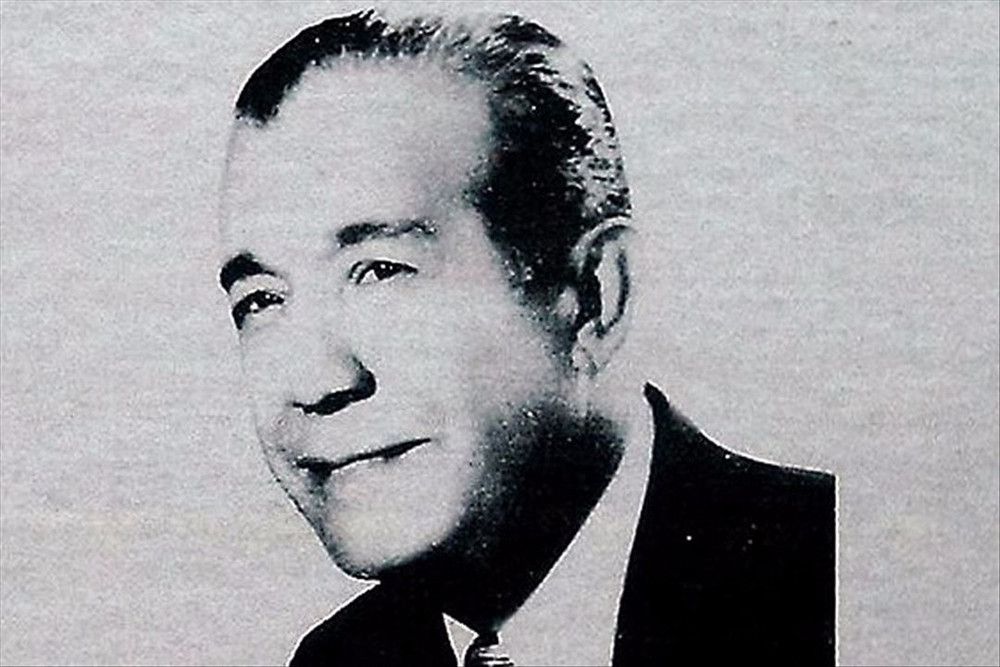
Trio Avileño
2017
·
1 album
Listen
1
/5
Genres
Trio Cubano
Trio cubano refers to the Cuban tradition of three‑piece, guitar‑led vocal groups that popularized intimate boleros and light son/guajira repertoire in the first half of the 20th century. Typical ensembles feature three voices in close harmony accompanied by two or three plucked instruments (most commonly requinto or lead guitar, rhythm guitar or tres, and hand percussion such as maracas or claves). Repertoires emphasize romantic boleros enriched by Cuban rhythmic sensibilities, occasional montuno call‑and‑response passages, and elegant, small‑room performance aesthetics. The style crystallized around trailblazing groups like Trío Matamoros, whose recordings helped codify the sonic identity of the Cuban trio: lyrical lead voice, responsive harmonies, tumbao‑aware accompaniment, and a balance between serenade intimacy and street‑born son cadence.
Discover
Listen
Son Cubano
Son cubano is a foundational Cuban genre that fuses Spanish-derived song forms and harmony with Afro-Cuban rhythms and percussion. Born in eastern Cuba (Oriente) and crystallized in Havana in the 1910s–1920s, it became the backbone of much of 20th‑century Latin popular music. Typical ensembles began as sextetos (tres, guitar, bongó, maracas, claves, and bass or marímbula) and later evolved into septetos with trumpet. Conjunto formats in the 1940s added piano, congas, and multiple horns. The music rides a son clave (in 3‑2 or 2‑3 orientation), features interlocking tres guajeos, a walking/tumbao bass that anticipates the downbeat, and call‑and‑response vocals in the montuno section. Harmonically it is rooted in I–IV–V with bluesy dominant sevenths and occasional secondary dominants. Lyrically it balances romance, everyday life, and streetwise wit, always aimed at dancing and social gathering.
Discover
Listen
Bolero
Bolero is both a Spanish dance-music form from the late 18th century and, later, a Cuban song style from the late 19th century. The Spanish bolero emerged as a moderately slow solo or partner dance in 3/4 time, shaped by Andalusian song-dance traditions. It typically features guitar accompaniment and castanets, and its sung texts often follow the seguidilla stanza pattern. In Cuba, bolero evolved into a romantic ballad—most often in 2/4 (later also felt in 4/4)—performed by singers, trios, and salon ensembles. Cuban bolero emphasizes intimate, lyrical melodies, guitar-led accompaniment (often with requinto), and gentle Afro-Caribbean rhythmic undercurrents (habanera feel, soft bongo, claves), becoming one of Latin America’s quintessential love-song forms.
Discover
Listen
Albums
2017
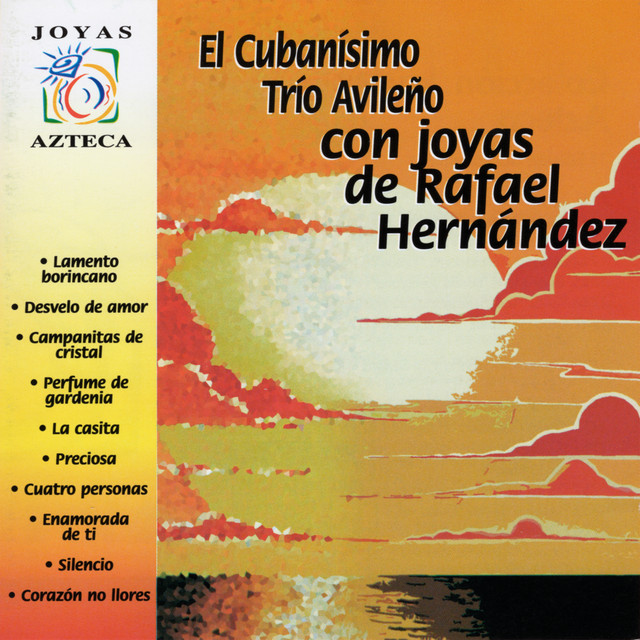
El Cubanísimo Trio Avileño Con Joyas de Rafael Hernández
Trio Avileño
Trio Cubano
Similar artists
2
/5
Los Guaracheros De Oriente
Son Cubano
Bolero
Guaracha
2
/5
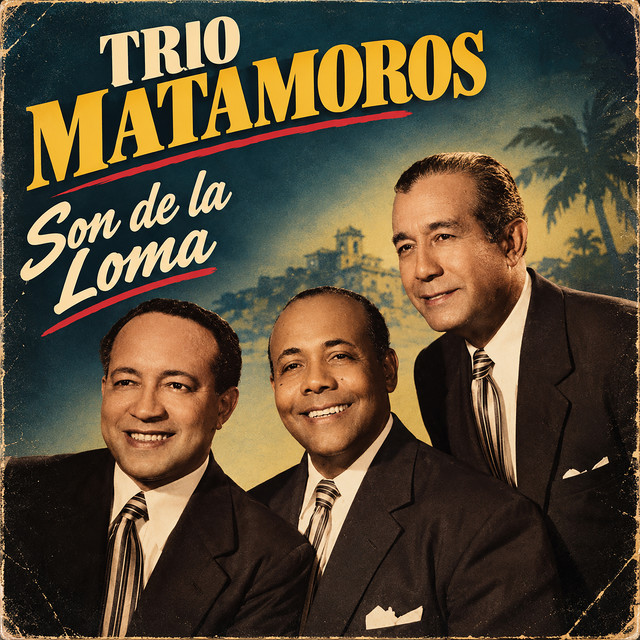
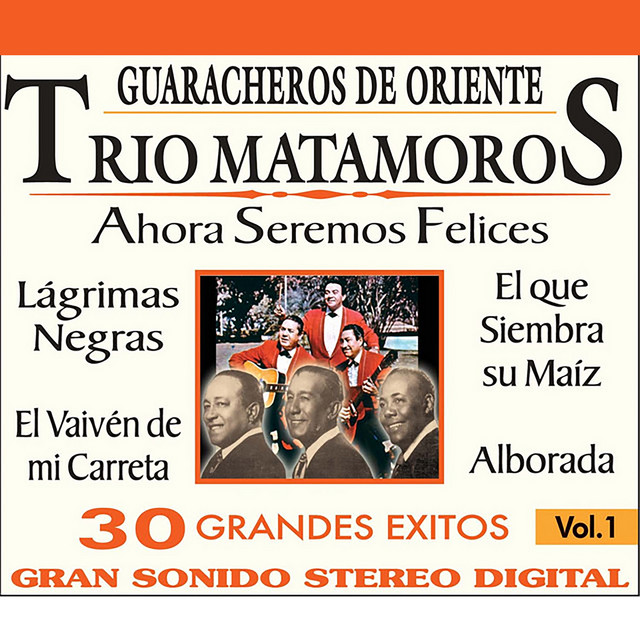
Trio Matamoros
Bolero
Guaracha
Son Cubano
2
/5
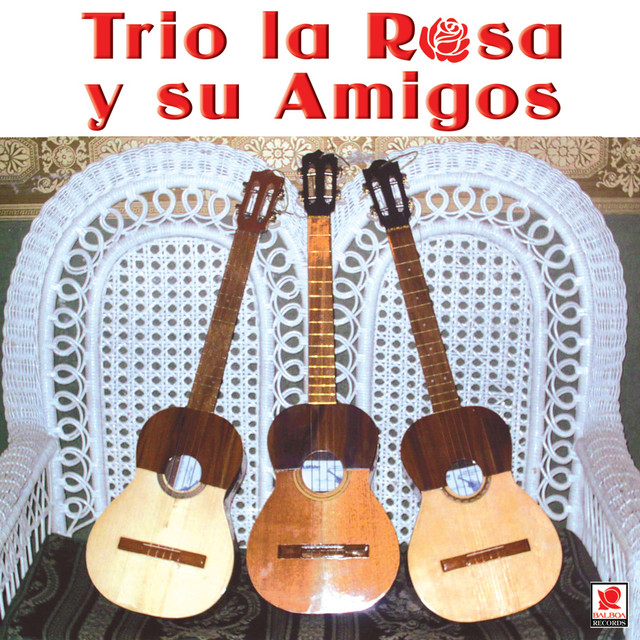
Trio La Rosa
Bolero
Guaracha
Son Cubano
2
/5
Miguel Matamoros
Bolero
Guaracha
Son Cubano
1
/5
Trío Servando Díaz
Trio Cubano
Bolero
Guaracha
1
/5
Trío Matamoros
Bolero
Guaracha
Son Cubano
4
/5
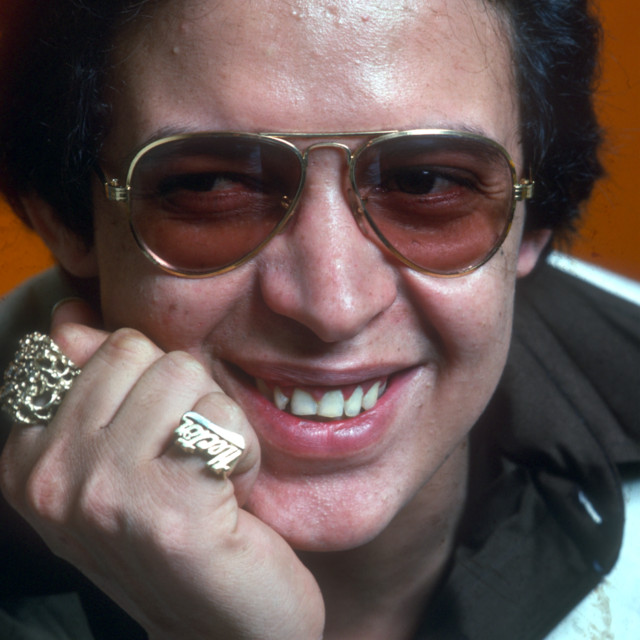
Héctor Lavoe
Salsa
Salsa Dura
Son Cubano
4
/5
Celia Cruz
Latin Dance
Son Cubano
Mambo
4
/5
Buena Vista Social Club
Latin Jazz
Bolero
Latin
4
/5
La Sonora Matancera
Son Cubano
Guaracha
Bolero
Download our mobile app
Get the Melodigging app and start digging for new genres on the go
Download on the App Store
Get it on Google Play
© 2026 Melodigging
Give feedback
Legal
Melodding was created as a tribute to
Every Noise at Once
, which inspired us to help curious minds keep digging into music's ever-evolving genres.