Genres
Artists
Albums
Make Music
Sign in
Sign in
Artists
Medieval
Artists
Medieval
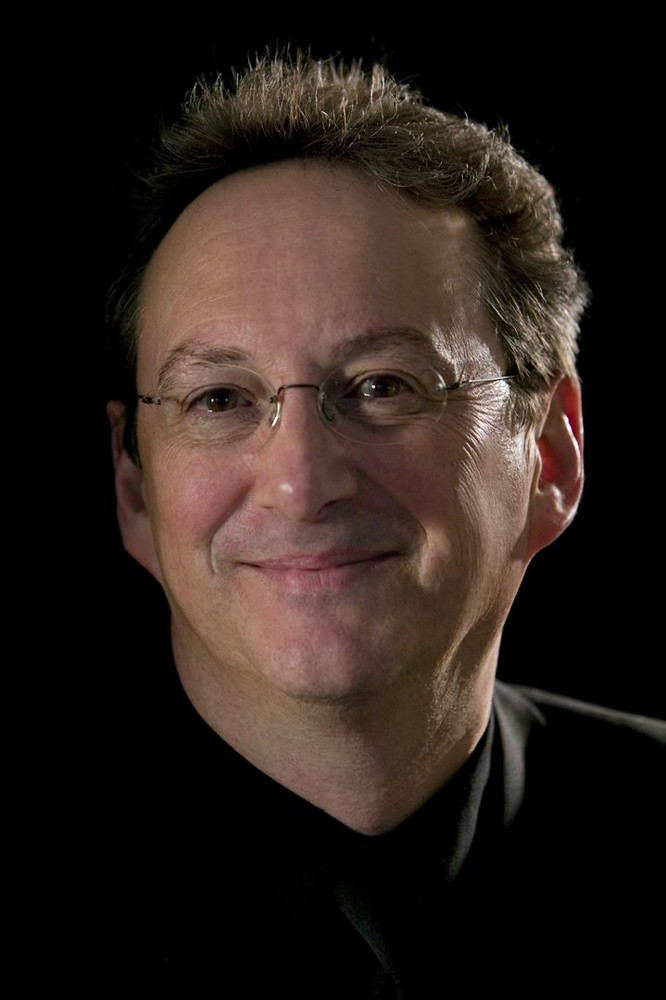
Timothy Davies
1981–1983
·
2 albums
Listen
1
/5
Genres
Franco-Flemish School
The Franco-Flemish School refers to a succession of Northern European composer-singers from the Low Countries and northern France who, during the 15th and 16th centuries, perfected a richly woven style of vocal polyphony. Centered on sacred forms such as the Mass and motet, and on courtly chansons, their music is characterized by careful control of dissonance, modal counterpoint, cantus-firmus and paraphrase techniques, and—by the later generations—pervasive imitation. Their chapel-trained composers staffed the great courts and cathedrals of Europe and spread a unified, technically rigorous polyphonic practice from Burgundy and the French royal chapels to Italy, Spain, the Empire, and beyond.
Discover
Listen
Ars Subtilior
Ars subtilior is a late–14th‑century style of Franco‑Flemish and southern French/Iberian court music noted for its extreme rhythmic, notational, and contrapuntal sophistication. It refines the innovations of the Ars nova into music of dazzling subtlety: complex syncopations, multiple simultaneous meters, proportion signs, coloration (red/black notation) that alters rhythmic values, and isorhythmic devices. Composers often wrote in the French formes fixes (ballade, rondeau, virelai) and in elaborate motets, sometimes presenting pieces in fanciful shapes (hearts, circles) to mirror their poetic conceits. The sound world is courtly and intricate: interlocking lines in three or four parts, refined dissonance control, and virtuosic rhythms that challenge performers while serving refined, often allegorical texts.
Discover
Listen
Medieval
Medieval music refers to the diverse sacred and secular musical practices of Europe between the fall of the Western Roman Empire and the dawn of the Renaissance. It spans more than eight centuries, from early monophonic chant to the first notated polyphony. Core features include the use of church modes rather than major/minor, extensive reliance on vocal music (Latin sacred chant as well as vernacular song), and the progressive development from unmeasured chant to rhythmic modal notation and, later, mensural notation. Texture evolves from monophony (plainchant, troubadour songs) to organum, conductus, and the motet, culminating in complex isorhythmic works by the late 13th–14th centuries. Secular traditions—troubadours and trouvères in France, Minnesänger in German lands, and the Iberian Cantigas—coexisted with and influenced sacred practice. Instruments such as the vielle, harp, psaltery, recorder, shawm, hurdy-gurdy, and portative organ often doubled or accompanied voices, though much music remained purely vocal.
Discover
Listen
Albums
1983
1
/5
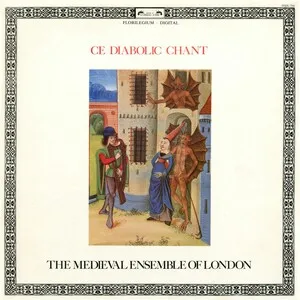
Ce Diabolic Chant
The Medieval Ensemble of London
Ars Subtilior
1981
1
/5
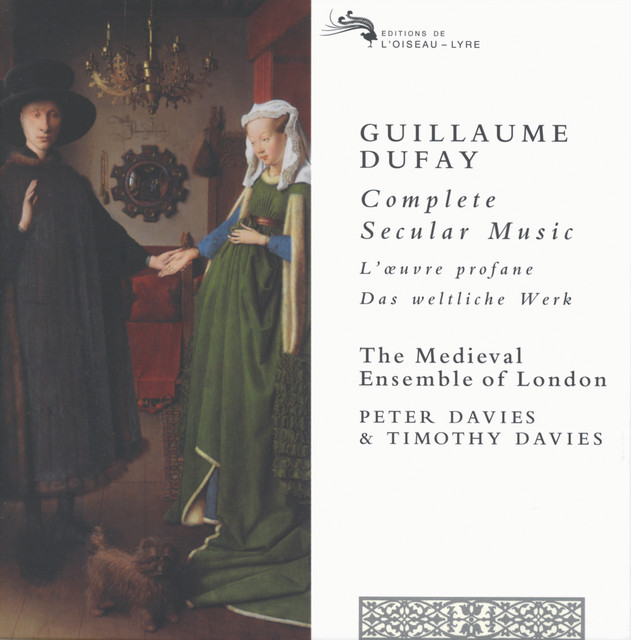
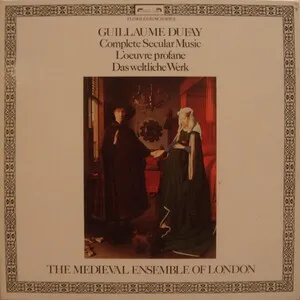
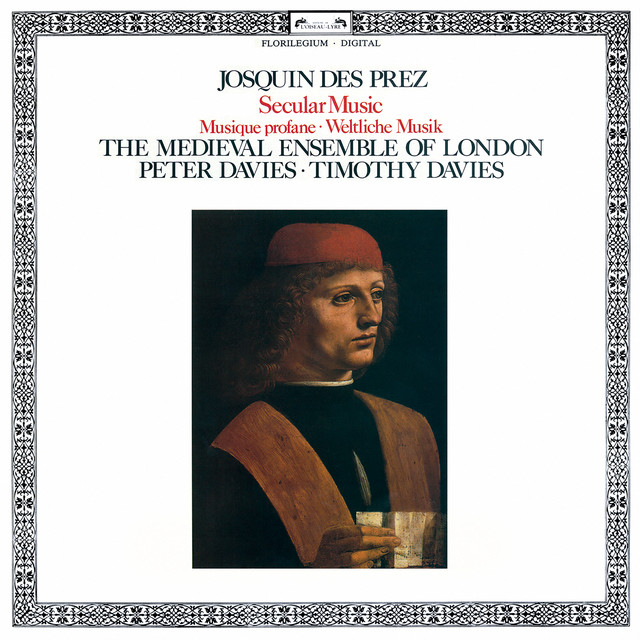
Complete Secular Music
Guillaume Dufay / Gilles Binchois
Franco-Flemish School
Similar artists
2
/5
Paul Van Nevel
Renaissance
Choral
Franco-Flemish School
2
/5
Huelgas Ensemble
Renaissance
Choral
Franco-Flemish School
2
/5
Graindelavoix
Classical
Franco-Flemish School
Gregorian Chant
2
/5
Björn Schmelzer
Ars Subtilior
Classical
Franco-Flemish School
1
/5
Orlando Consort
Ars Nova
Choral
Gregorian Chant
1
/5
Blue Heron
Choral
Gregorian Chant
Medieval
1
/5
Peter Davies
Medieval
Ars Subtilior
Franco-Flemish School
3
/5
Anonymous
Ars Antiqua
Gregorian Chant
Medieval
3
/5
Peter Phillips
Choral
Renaissance
Requiem
3
/5
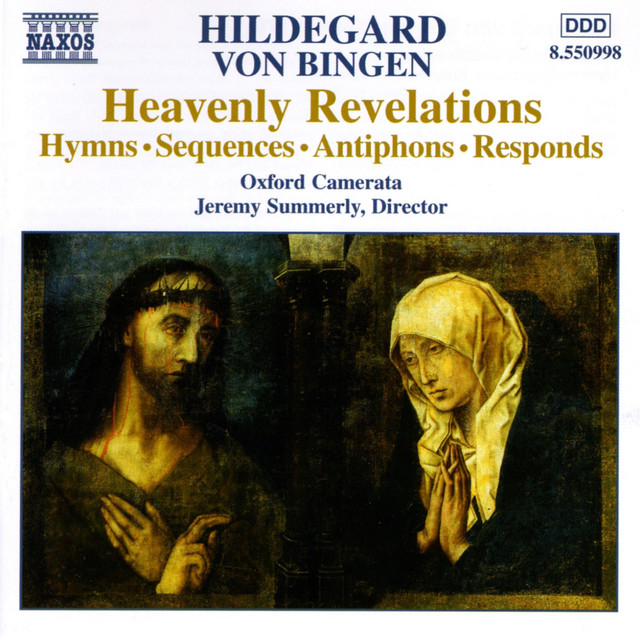
Oxford Camerata
Gregorian Chant
Medieval
Classical
Download our mobile app
Get the Melodigging app and start digging for new genres on the go
Download on the App Store
Get it on Google Play
© 2026 Melodigging
Give feedback
Legal
Melodding was created as a tribute to
Every Noise at Once
, which inspired us to help curious minds keep digging into music's ever-evolving genres.