Genres
Artists
Albums
Make Music
Sign in
Sign in
Artists
Gothic Metal
Artists
Gothic Metal
The Sins Of Thy Beloved
1998
·
1 album
Listen
2
/5
Genres
Gothic Metal
Gothic metal is a fusion of the heaviness and slow, atmospheric pull of doom metal with the dark romanticism and melodrama of gothic rock. It emphasizes minor-key harmony, thick guitar textures, and prominent keyboards or orchestral pads to create a brooding, cinematic mood. Vocals range from deep baritone croons and clean female sopranos to harsh growls—sometimes used together in the "beauty-and-the-beast" style. Lyrical themes often explore love and loss, mortality, melancholy, myth, and the supernatural, presented with a sense of theatricality. While centered in metal, the style borrows from dark wave’s somber synths and gothic rock’s atmosphere, leading to variations that lean toward doom, symphonic, or even alternative-leaning approaches.
Discover
Listen
Symphonic Metal
Symphonic metal fuses the power and riff-driven weight of heavy metal with the grandeur of orchestral music, choral writing, and operatic vocals. It often features full-scale symphonic arrangements—either via live orchestras and choirs or through sophisticated sampling—alongside distorted guitars, bass, and double-kick drumming. Hallmarks include cinematic songwriting, classical harmony (minor keys, modal colors, counterpoint), sweeping string ostinati, brass fanfares, and layered choirs. Vocal approaches range from operatic soprano leads to melodic rock vocals and occasional harsh growls. Lyrically, the genre leans toward myth, fantasy, history, philosophy, and romantic or existential themes, delivering an epic, theatrical atmosphere.
Discover
Listen
Symphonic Black Metal
Symphonic black metal fuses the speed, tremolo-picked riffing, and shrieked vocals of black metal with orchestral writing, choirs, and cinematic arrangements. It expands the genre’s raw ferocity into a grand, theatrical sound that can feel both infernal and majestic. Keyboards or full orchestras handle strings, brass, and choral parts that support or counterpoint the guitars, while blast beats and double‑kick patterns drive the intensity. Harmonically, it leans on minor modes, chromatic motion, and diminished sonorities, often evoking Romantic and late‑Romantic classical drama. Lyrical themes tend toward the occult, mythology, Gothic romance, and horror, and productions range from deliberately grim to highly polished, integrating extreme metal power with film‑score scale.
Discover
Listen
Death Metal
Death metal is an extreme subgenre of heavy metal defined by heavily distorted, low‑tuned guitars, rapid and complex riffing, blast beat drumming, and harsh guttural vocals. Its harmonic language favors chromaticism, dissonance, and tremolo-picked lines that create an ominous, abrasive atmosphere. Lyrically, death metal often explores dark or transgressive themes—mortality, mythology, anti-religion, psychological horror, and the macabre—sometimes with philosophical or social commentary. Production ranges from raw and cavernous to hyper-precise and technical, reflecting the genre’s many regional scenes and substyles. From the mid‑1980s Florida scene (Tampa) and parallel developments in the US, UK, and Sweden, death metal evolved into numerous branches including brutal death metal, technical death metal, melodic death metal, and death‑doom, each emphasizing different aspects of speed, complexity, melody, or heaviness.
Discover
Listen
Death-Doom Metal
Death-doom metal is a fusion of death metal’s extremity and doom metal’s slow, crushing weight. It pairs down-tuned, monolithic riffs and oppressive tempos with death metal features such as guttural growls, occasional double-kick bursts, and abrasive distortion. The mood is bleak and melancholic, often enhanced by minor-key harmonies, sustained chords, and sparse melodic figures. Some bands add keyboards, violin, or clean guitar interludes to deepen the sense of tragedy and atmosphere. Lyrically, it focuses on grief, mortality, desolation, and existential dread. Arrangements tend to be long-form and dynamic: glacial passages anchor the music while strategically placed surges of death-metal intensity create cathartic contrast.
Discover
Listen
Doom Metal
Doom metal is a heavy metal subgenre defined by slow to mid-tempo grooves, down-tuned, highly distorted guitars, and an atmosphere of dread, melancholy, and weight. It emphasizes ominous, minor-key riffs and sustained tones over speed or virtuosity, creating a crushing sense of space and inevitability. Vocals range from plaintive and theatrical (epic/traditional doom) to anguished wails or harsh growls (death-doom), and lyrics often explore themes of suffering, mortality, the occult, apocalyptic visions, and existential despair. Song structures are typically riff-centric and long-form, with repetition and gradual dynamic shifts producing a hypnotic, ritualistic feel.
Discover
Listen
Gothic Rock
Gothic rock is a dark, atmospheric branch of post-punk that emphasizes brooding moods, melodic basslines, baritone or icy vocal deliveries, and guitar textures drenched in chorus, delay, and reverb. Its lyrics often explore themes of romanticism, existential dread, night, mysticism, and decay, drawing on Gothic literature and cinema as much as rock tradition. Sonically, it blends the stark rhythms and minimalism of post-punk with the theatricality of glam and the textural experimentation of art and psychedelic rock. Drum machines or tightly metronomic drumming underpin prominent, melodic bass figures, while guitars shimmer or scrape with chorus/flanger effects. The result is danceable yet somber music that feels both dramatic and introspective.
Discover
Listen
Metal
Metal (often used to mean heavy metal in its broad, umbrella sense) is a loud, guitar-driven style of rock defined by high-gain distortion, emphatic and often martial rhythms, and a dense, powerful low end. It foregrounds riff-based songwriting, dramatic dynamics, virtuosic guitar solos, and commanding vocals that range from melodic wails to aggressive snarls and growls. Harmonically, metal favors minor modes, modal color (Aeolian, Phrygian), chromaticism, and tritone-inflected tension, while thematically it explores power, mythology, the occult, social critique, fantasy, and existential subjects. While adjacent to hard rock, metal typically pushes amplification, distortion, precision, and thematic intensity further, forming a foundation for many specialized subgenres.
Discover
Listen
Show all 8 genres
Albums
1998
3
/5
Lake of Sorrow
The Sins of Thy Beloved
Gothic Metal
Symphonic Black Metal
Similar artists
3
/5
Draconian
Gothic Metal
Doom Metal
Death-Doom Metal
3
/5
Theatre Of Tragedy
Doom Metal
Gothic Metal
Gothic Rock
3
/5
Moonspell
Gothic Black Metal
Gothic Metal
Rock
3
/5
The Gathering
Gothic Metal
Doom Metal
Gothic Rock
3
/5
Tiamat
Doom Metal
Gothic Metal
Gothic Rock
3
/5
Lacrimas Profundere
Doom Metal
Gothic Metal
Drone Metal
2
/5
Tristania
Gothic Metal
Digital Horror
Doom Metal
2
/5
Virgin Black
Doom Metal
Gothic Metal
Gothic Rock
2
/5
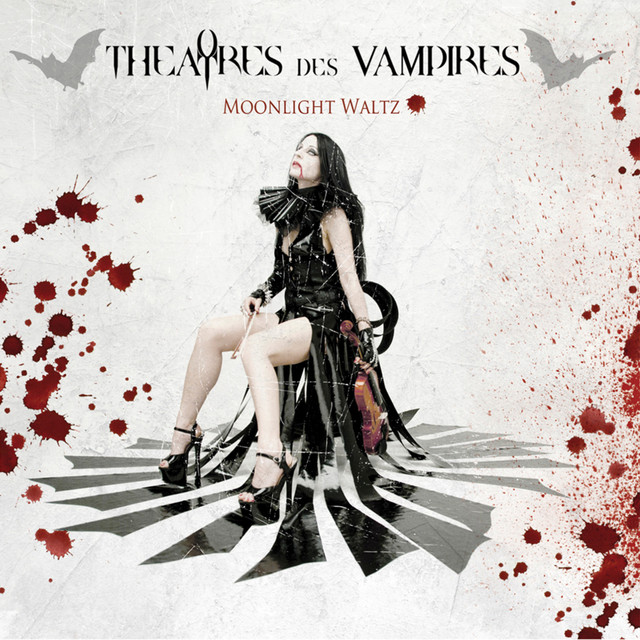
Theatres Des Vampires
Doom Metal
Gothic Metal
Gothic Rock
2
/5
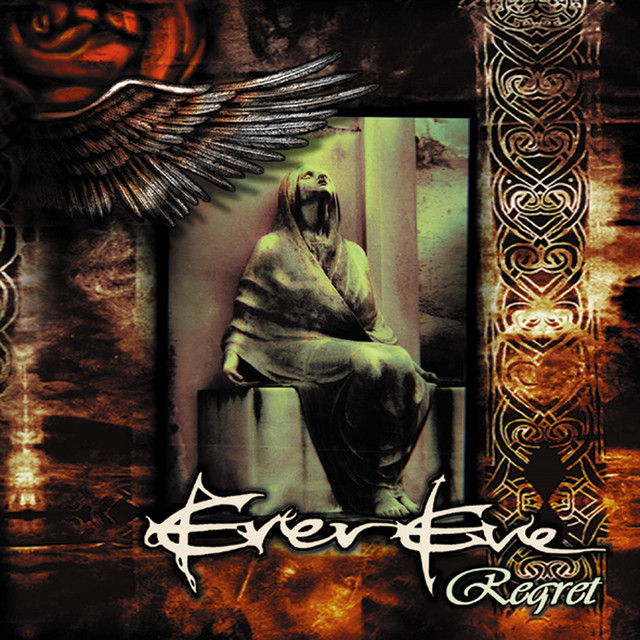
Evereve
Doom Metal
Gothic Metal
Gothic Rock
Download our mobile app
Get the Melodigging app and start digging for new genres on the go
Download on the App Store
Get it on Google Play
© 2026 Melodigging
Give feedback
Legal
Melodding was created as a tribute to
Every Noise at Once
, which inspired us to help curious minds keep digging into music's ever-evolving genres.