Genres
Artists
Albums
Make Music
Sign in
Sign in
Artists
Algerian Chaabi
Artists
Algerian Chaabi
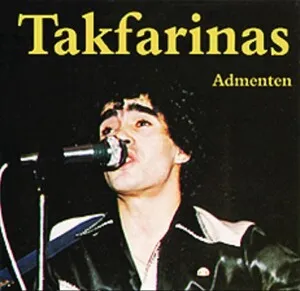
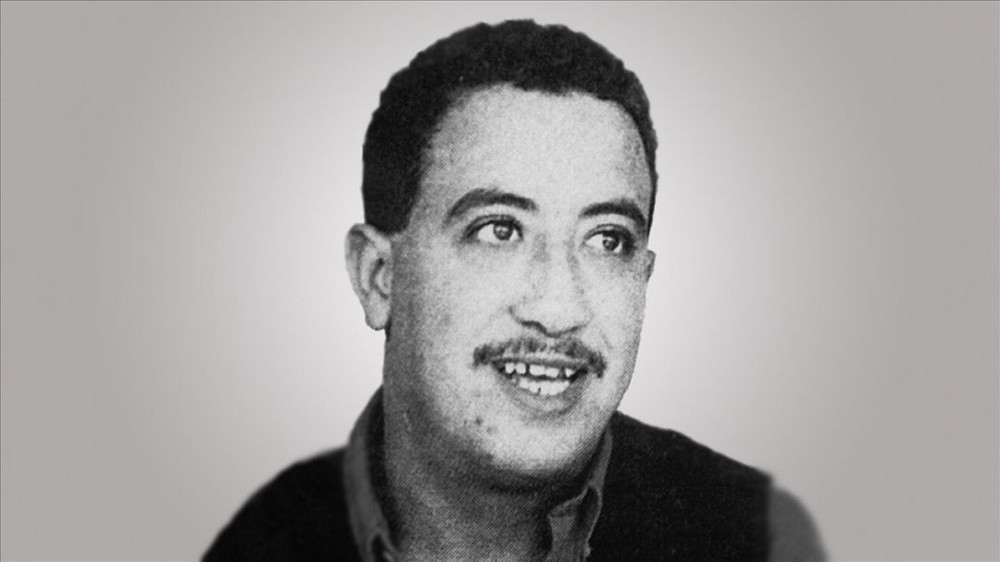
Takfarinas
1980
·
1 album
Listen
2
/5
Genres
Sped-Up Music
Sped-up music is the practice of releasing or circulating versions of existing tracks that have been deliberately accelerated, often with a corresponding pitch raise that produces the classic "chipmunk" timbre. These versions are typically 10–35% faster than the original and are optimized for short‑form video platforms, where quick hooks and heightened energy improve replayability and engagement. While the aesthetic traces back to 2000s nightcore and fan edits on YouTube, the 2020s saw a commercial normalization: labels and artists now issue official “sped up” (and often “slowed”) versions on streaming services. The result is a micro‑genre defined less by unique compositional vocabulary than by a production treatment that recontextualizes mainstream pop, R&B, hip hop, and dance records for viral, danceable, hook‑forward consumption.
Discover
Listen
Kabyle Music
Kabyle music is the traditional and modern popular music of the Kabyle (Amazigh/Berber) people of northern Algeria. It is primarily sung in the Kabyle variety of Tamazight and is known for poetic, metaphor-rich lyrics that address love, nostalgia, exile, social life, and cultural/political identity. Musically, it blends Amazigh folk idioms with urban North African songcraft: modal melodies, ornamented vocals, and lilting dance rhythms (often in 6/8 and 2/4) are supported by acoustic guitar, Algerian mandole, banjo/mandola, bendir and darbuka frame/hand drums, gasba (end-blown flute), violin, and, in modern settings, accordion, bass, and drum kit. The style ranges from intimate voice-and-guitar ballads to high-energy, wedding-ready ensembles, and has evolved to incorporate chanson and pop/rock textures while retaining a distinct Amazigh identity.
Discover
Listen
Kabyle
Kabyle is a Berber (Amazigh) popular and folk song tradition from northern Algeria, performed primarily in the Kabyle language (Taqbaylit). It blends indigenous Amazigh melodies and poetic forms with instruments and song structures introduced through urban North African music and the Algerian diaspora in France. Over time, Kabyle music evolved from voice-and-lute ballads into guitar- and mandole-led ensembles, later embracing modern studio production, synthesizers, and pop arrangements while retaining its lyrical emphasis on identity, exile, love, and social commentary.
Discover
Listen
Algerian Chaabi
Algerian Chaâbi is an urban popular music that emerged in the Casbah of Algiers in the early 20th century. It blends the modal and poetic heritage of Andalusian classical traditions (san'a) and melhoun with a more direct, street-level expressiveness. Characterized by a rich, melismatic vocal style and refined poetry in Algerian Arabic (Derja), Chaâbi is typically accompanied by the Algerian mandole (a larger, metal‑strung mandolin), oud or banjo, violin, and frame and goblet drums (bendir, tar, darbuka). Rhythms often move between lilting 6/8 grooves and steady 2/4 patterns, while melodies draw on Arabic maqamat and Andalusian rhythmic cycles (mizân). The repertoire addresses love, longing, ethics, spiritual devotion, and social life, delivered with an intimate, narrative quality. Figures like El Hadj M'Hamed El Anka helped codify the style, shaping it into a conservatory-taught art that still feels rooted in the cafés and alleyways of Algiers.
Discover
Listen
Raï
Raï is a popular music genre from the port city of Oran (Wahran), Algeria, whose name comes from the colloquial Arabic word for "opinion" or "point of view." It began as a raw, vernacular form of urban song led by cheikhas (female singer-performers) accompanied by gasba flute and guellal drum, addressing everyday life, love, alcohol, social hypocrisy, and desire with unusual frankness. Across the 1970s and 1980s, raï electrified: acoustic ensembles and Bedoui/chaabi-rooted melodies merged with electric guitar, synthesizers, drum machines, and global dance grooves (funk, disco, reggae, and pop). This produced the internationally famous “pop raï” sound—at once danceable and emotionally direct—carried by stars such as Khaled, Cheb Mami, Cheb Hasni, and Cheikha Rimitti. Today, raï remains a living tradition and a flexible pop form, equally at home with traditional gasba/guellal timbres and glossy electronic production, while its lyrics continue to alternate between hedonistic celebration and aching nostalgia for home and lost love.
Discover
Listen
Albums
1980
1
/5
Admenten
Takfarinas
Kabyle Music
Similar artists
3
/5
Idir
Kabyle
Kabyle Music
Algerian Chaabi
3
/5
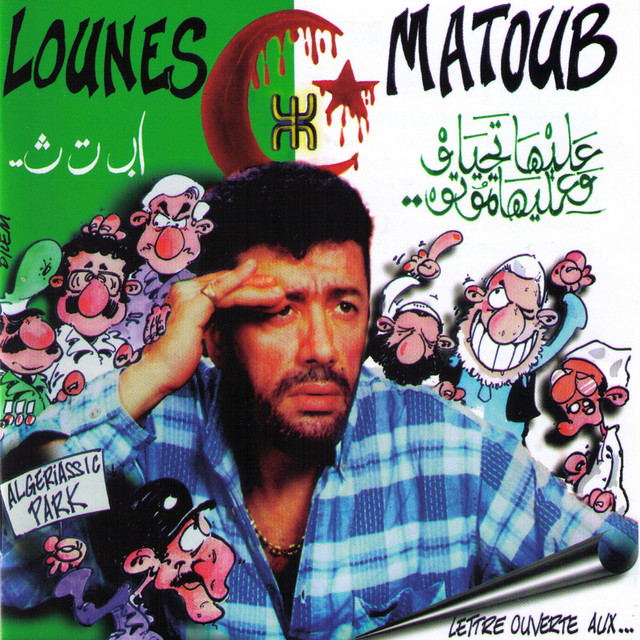
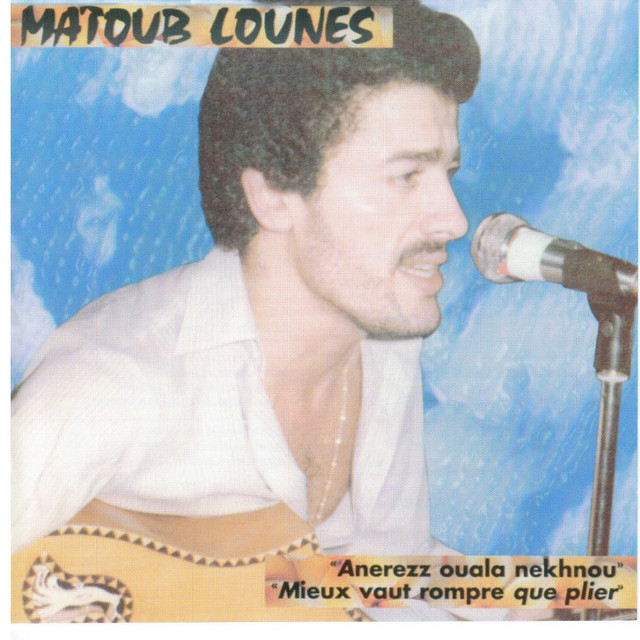
Matoub Lounès
Kabyle
Algerian Chaabi
Kabyle Music
2
/5
Lounis Ait Menguellet
Kabyle Music
Algerian Chaabi
Kabyle
3
/5
Cheb Hasni
Algerian Chaabi
Kabyle
Gnawa
2
/5
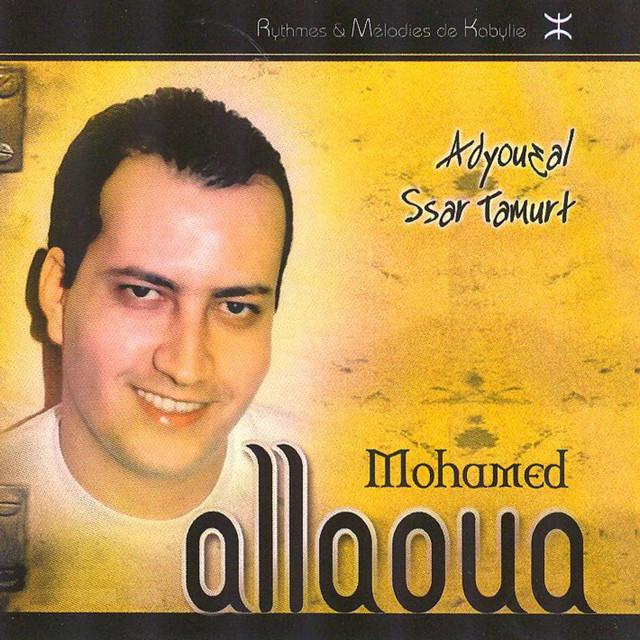
Mohamed Allaoua
Algerian Chaabi
Kabyle
Raï
2
/5
Aït Menguellet
Algerian Chaabi
Kabyle
Raï
2
/5
Rabah Asma
Algerian Chaabi
Kabyle
Raï
2
/5
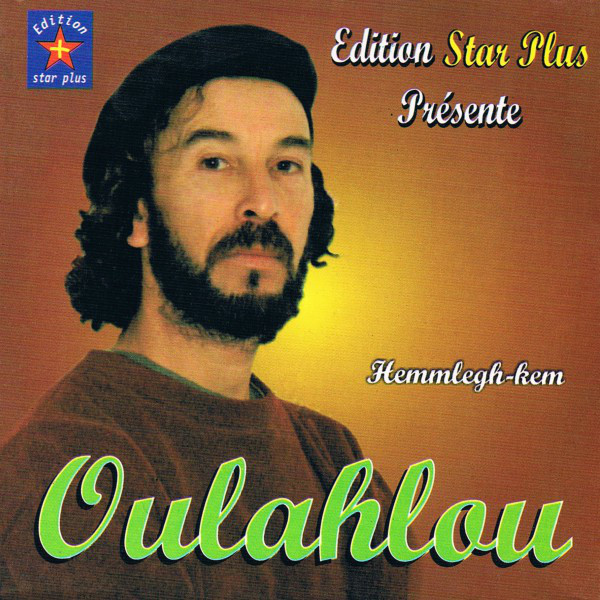
Oulahlou
Algerian Chaabi
Kabyle
Raï
2
/5
Baaziz
Algerian Chaabi
Gnawa
Kabyle
2
/5
Lounès Matoub
Algerian Chaabi
Gnawa
Raï
Download our mobile app
Get the Melodigging app and start digging for new genres on the go
Download on the App Store
Get it on Google Play
© 2026 Melodigging
Give feedback
Legal
Melodding was created as a tribute to
Every Noise at Once
, which inspired us to help curious minds keep digging into music's ever-evolving genres.