Genres
Artists
Albums
Make Music
Sign in
Sign in
Artists
Electrocumbia
Artists
Electrocumbia
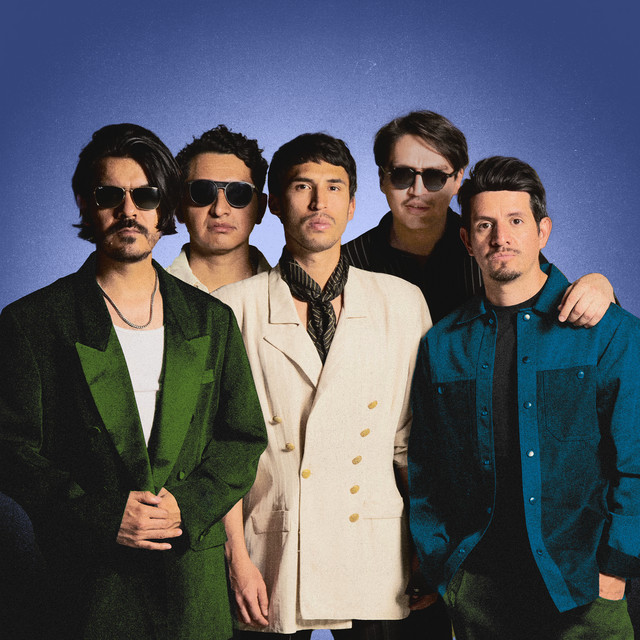
Sotomayor
2020
·
1 album
Listen
2
/5
Genres
Electro Bailando
Electro bailando is a Spanish‑language, club‑ready dance‑pop microgenre that blends big‑room/electro‑house sonics with Latin pop songwriting and Caribbean rhythms. It favors four‑on‑the‑floor kicks, bright supersaw leads, handclaps, and festival‑style builds and drops, while keeping lyrics simple, catchy, and centered on dancing, romance, and summer nightlife. Typical tracks run in the 120–130 BPM range, use ear‑worm hooks in Spanish, and may weave in short dembow or merengue‑influenced percussion breaks. The overall feel is glossy, uplifting, and designed for mass‑appeal dance floors and radio.
Discover
Listen
Electrocumbia
Electrocumbia (often called digital cumbia or nu-cumbia) is a contemporary, electronic reinterpretation of traditional cumbia. It merges cumbia’s signature off‑beat percussion, guacharaca/güiro textures, and tumbao bass with modern production elements such as synthesizers, drum machines, sampling, and dub-style effects. While rooted in Colombian cumbia, the style took shape across Latin America—especially within Buenos Aires’ club scene—where producers fused folkloric rhythms with downtempo, house, hip hop, and dub aesthetics. The result is a sound that can be both hypnotic and dance‑forward, oscillating between dreamy, psychedelic atmospheres and gritty, bass‑heavy grooves.
Discover
Listen
Latin Indie
Latin indie is a broad umbrella for Spanish- and Portuguese-language independent music scenes across Latin America and the Latin diaspora. It blends the DIY ethos and sonic palettes of global indie rock and indie pop with regional rhythms, folk traditions, and electronic textures. While stylistically diverse—from jangly guitars and dreamy synth-pop to folktronica and cumbia-inflected grooves—Latin indie is united by an independent production mindset, intimate and poetic lyricism, and a taste for warm, reverb-soaked aesthetics. Artists commonly release through local indie labels or self-release, and they build audiences via blogs, small venues, and festival circuits before reaching wider streaming platforms. The genre’s identity crystallized in the mid-to-late 2000s, as scenes in Mexico, Argentina, Chile, Colombia, and the U.S. Latinx community cross-pollinated online, eventually becoming a defining contemporary movement in Spanish-language alternative music.
Discover
Listen
Mexican Indie
Mexican indie is a broad umbrella for independently minded rock and pop made in Mexico, characterized by DIY production, Spanish-language lyricism, and a blend of guitar-driven textures with synth color. Drawing from Britpop, shoegaze, dream pop, post‑punk revival, and rock en español, the sound often pairs melodic hooks with atmospheric guitars, reverb‑laden vocals, and tasteful electronic layers. While largely rooted in global indie traditions, many artists fold in Mexican and Latin references—subtle cumbia grooves, bolero-flavored harmony, or regional storytelling—without losing a modern alternative sensibility. The scene is strongly centered in Mexico City, Guadalajara, and Monterrey, with college radio, boutique labels, and festivals (e.g., Vive Latino, NRMAL, Corona Capital) helping acts grow from local clubs to international stages.
Discover
Listen
Digital Cumbia
Digital cumbia (often called nu cumbia) is a contemporary, electronically produced reinterpretation of traditional cumbia from Colombia and its many regional offshoots across Latin America. Producers sample or re-record classic cumbia elements—guacharaca scrapes, accordion riffs, woodwinds, and tumbao-style basslines—and set them against modern electronic frameworks such as downtempo, house, hip hop, dub, and dancehall. The result is a mid‑tempo, bass-forward sound (typically around 85–110 BPM) that balances folkloric groove with club-ready synthesis, creative sampling, and spacious dub effects. The scene first cohered in Buenos Aires club nights and netlabels before spreading across Latin America and diasporic hubs, becoming a key pillar of the broader “global bass” movement. Its aesthetics often embrace psychedelic textures, Andean timbres, and sound design techniques that feel both earthy and futuristic.
Discover
Listen
Latin Alternative
Latin alternative is an umbrella term for genre-bending music made by Latin American and US Latino artists that sits outside mainstream Latin pop. It blends alternative and indie rock attitudes with Latin rhythmic vocabularies (cumbia, salsa, ska, reggae), hip hop, and electronic production. The style privileges experimentation, hybridity, and scene-driven authenticity rather than commercial formulas. Lyrics are often in Spanish (sometimes bilingual or Spanglish), and themes range from the personal and poetic to social and political commentary. The movement coalesced in the mid-to-late 1990s around U.S. media and festivals (e.g., LAMC), helping connect diverse scenes from Mexico, Argentina, Chile, Colombia, Puerto Rico, and beyond.
Discover
Listen
Cumbia Mexicana
Cumbia mexicana is the Mexican adaptation of Colombian cumbia, reshaped by local tropical orchestras, border accordion traditions, and urban DJ (sonidero) culture. It typically features a steady 2/4 cumbia groove, melodic accordion or organ riffs, bright brass lines, and romantic or festive lyrics. Over time it diversified into regional styles such as cumbia sonidera (Mexico City), cumbia norteña (northern Mexico with accordion-driven arrangements), and the slowed-down cumbia rebajada (Monterrey DJ culture), while also crossing over into grupera and banda contexts. Today it is a cornerstone of Mexico’s popular dance music, equally at home in neighborhood parties, massive sonidero sound-system dances, and pop collaborations.
Discover
Listen
Latin
Latin (as a genre label) is a broad umbrella used by the recording industry to categorize popular music rooted in Latin America, the Caribbean, and the Iberian world, often characterized by syncopated Afro-diasporic rhythms, dance-forward grooves, and lyrics primarily in Spanish or Portuguese. As a marketplace category that took shape in the mid-20th century United States, it gathers diverse traditions—Afro-Cuban, Brazilian, Mexican, and Caribbean styles—into a shared space. In practice, "Latin" spans everything from big-band mambo and bolero ballads to contemporary pop, rock, hip hop, and dance fusions produced by artists of Latin American heritage.
Discover
Listen
Electronic
Electronic is a broad umbrella genre defined by the primary use of electronically generated or electronically processed sound. It encompasses music made with synthesizers, drum machines, samplers, computers, and studio/tape techniques, as well as electroacoustic manipulation of recorded or synthetic sources. The genre ranges from academic and experimental traditions to popular and dance-oriented forms. While its sonic palette is rooted in electricity and circuitry, its aesthetics span minimal and textural explorations, structured song forms, and beat-driven club permutations. Electronic emphasizes sound design, timbre, and studio-as-instrument practices as much as melody and harmony.
Discover
Listen
Show all 9 genres
Albums
2020
1
/5
Origenes
Sotomayor
Cumbia Mexicana
Digital Cumbia
Similar artists
1
/5
Los Macuanos
Electrocumbia
Latin Alternative
Mexican Indie
4
/5
Zoé
Mexican Rock
Latin Alternative
Latin Indie
4
/5
Siddhartha
Latin Alternative
Mexican Indie
Rock En Español
4
/5
León Larregui
Latin Alternative
Latin Indie
Mexican Indie
4
/5
Ximena Sariñana
Latin Alternative
Latin Indie
Mexican Indie
4
/5
Caloncho
Latin Alternative
Mexican Indie
Latin Indie
4
/5
Esteman
Latin Alternative
Mexican Indie
Latin Indie
4
/5
Odisseo
Latin Alternative
Latin Indie
Latin Rock
4
/5
Bandalos Chinos
Latin Alternative
Latin Indie
Mexican Indie
4
/5
Camilo Séptimo
Latin Alternative
Mexican Indie
Rock En Español
Download our mobile app
Get the Melodigging app and start digging for new genres on the go
Download on the App Store
Get it on Google Play
© 2026 Melodigging
Give feedback
Legal
Melodding was created as a tribute to
Every Noise at Once
, which inspired us to help curious minds keep digging into music's ever-evolving genres.