Genres
Artists
Albums
Make Music
Sign in
Sign in
Artists
Anatolian Rock
Artists
Anatolian Rock
Şençalar Kardeşler
1987
·
1 album
Listen
1
/5
Genres
Anatolian Rock
Anatolian rock (also called Anadolu rock or Turkish psych) is a hybrid style that fuses Western rock idioms with Anatolian/Turkish folk traditions and the makam-based modal system. It emerged in the mid-to-late 1960s as Turkish musicians adapted beat, garage, and psychedelic rock to local melodies, scales, and rhythms. Typical instrumentation combines fuzzed electric guitars and bass with amplified bağlama (saz), Farfisa/Hammond organs, and a rock drum kit, often supplemented by traditional percussion. Songs frequently use "aksak" (limping) meters such as 9/8, 7/8, and 5/8, and melodies draw on makams like Hicaz, Hüseyni, Uşşak, Rast, and Kürdi. Lyrics are usually in Turkish and range from folk poetry and mystic allegory to social critique and protest. The style is renowned for its thick, swirling textures—spring reverb, tape saturation, phasing, and wah-wah—while retaining the narrative and modal richness of Anatolian musical heritage. It stands as a signature example of East–West synthesis in popular music.
Discover
Listen
Turkish Psych
Turkish psych (often grouped within Anatolian rock) blends Western psychedelic rock with Turkish folk melodies, modes (makam), and asymmetrical rhythms (usul). It typically features fuzzed‑out electric guitars or electrified bağlama (saz), swirling organs, and spring reverb or tape echo, all supporting melodies that bend and ornament microtonal intervals. Lyrically, it spans social commentary, mystic poetry, and rural imagery. The style is simultaneously hypnotic and driving: odd meters like 9/8 and 7/8 propel grooves while modal drones and Phrygian‑dominant colors evoke a heady, dreamlike atmosphere.
Discover
Listen
Oyun Havasi
Oyun havası (literally “dance tune”) is a broad Turkish term for lively, groove‑driven pieces played for social dancing at weddings and festive gatherings. It is most closely associated with clarinet‑led urban/Thracian (Rumeli) and Turkish Roma (Roman) ensembles, as well as rural zurna–davul bands. Typical meters include the asymmetrical 9/8 “aksak” (especially the karşılama groupings 2+2+2+3), alongside 2/4 or 4/4 çiftetelli and occasional 6/8. Melodies often follow the makam (modal) system, with ornamented, vocal‑like phrasing and exuberant percussion patterns that keep dancers moving. Instrumentation commonly features clarinet, davul (bass drum), darbuka/tef (frame drum/riq), zurna, violin, kanun, ud, cümbüş, and bağlama. In urban settings, taksim (improvised preludes) may introduce the tune before the main dance sections. The overall feel is festive, flirtatious, and highly rhythmic, encouraging call‑and‑response energy between musicians and dancers.
Discover
Listen
Albums
1987
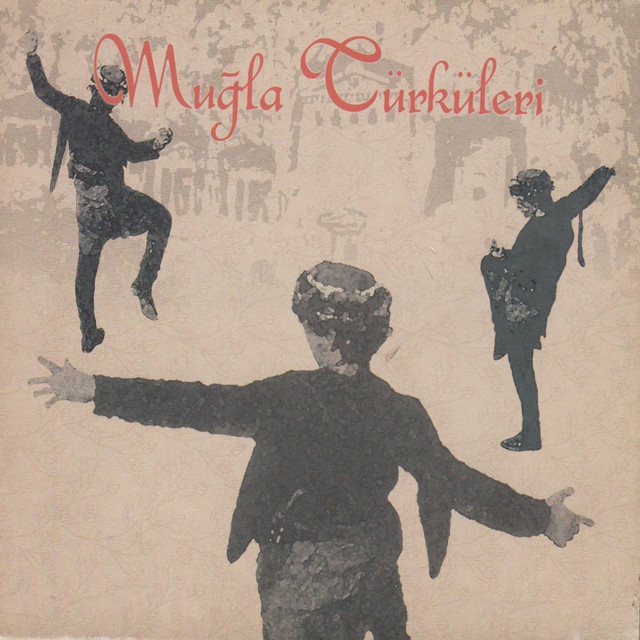
Modern Sazlardan Oyun Havaları
Şençalar Kardeşler
Turkish Psych
Similar artists
4
/5
Pinhani
Oyun Havasi
Anatolian Rock
Pop Rock
3
/5
Neşet Ertaş
Uzun Hava
Anatolian Rock
Arabesk
3
/5
Kâzım Koyuncu
Anatolian Rock
Arabesk
Karadeniz Folk
3
/5
Destan
Anatolian Rock
Oyun Havasi
3
/5
Fuat Saka
Anatolian Rock
Karadeniz Folk
Oyun Havasi
3
/5
Fasıl-ı Jazz
Anatolian Rock
Oyun Havasi
Pop
3
/5
Aşık Mahzuni Şerif
Anatolian Rock
Arabesk
Karadeniz Folk
3
/5
Tolga Çandar
Anatolian Rock
Arabesk
Karadeniz Folk
2
/5
Moğollar
Anatolian Rock
Oyun Havasi
Turkish Music
2
/5
Barabar
Anatolian Rock
Karadeniz Folk
Oyun Havasi
Download our mobile app
Get the Melodigging app and start digging for new genres on the go
Download on the App Store
Get it on Google Play
© 2026 Melodigging
Give feedback
Legal
Melodding was created as a tribute to
Every Noise at Once
, which inspired us to help curious minds keep digging into music's ever-evolving genres.