Genres
Artists
Albums
Make Music
Sign in
Sign in
Artists
Chamber Music
Artists
Chamber Music
Sally Pinkas
2019
·
1 album
Listen
1
/5
Genres
Impressionism
Impressionism in music is a late-19th- and early-20th-century style that prioritizes color, atmosphere, and suggestion over overt drama and functional harmonic progressions. Originating in France, it parallels the visual arts movement in its fascination with light, timbre, and fleeting impressions. Musically, the style favors modal, pentatonic, and whole‑tone materials; parallel (planed) chords; unresolved dissonances; and ambiguous tonal centers. Rhythms are flexible and often blur a sense of strong meter, while textures shimmer through delicate orchestration, pedal tones, and arpeggiated figures. Rather than strict sonata designs, impressionist works tend to be episodic, evocative, and programmatic, conjuring landscapes, water, night, and dreamlike states.
Discover
Listen
Kundiman
Kundiman is a Filipino art-song tradition centered on love and devotion, typically sung in Tagalog with refined, lyrical melodies. It is most often set in a slow triple meter (commonly 3/4), employing expressive rubato and ornamentation. Harmonically, kundiman pieces characteristically begin in a minor key and resolve to the parallel major in the refrain, mirroring a poetic journey from yearning to hope. While rooted in indigenous Filipino song and serenade practice, the genre absorbed European art-song and Romantic-era harmonic language during Spanish and early American colonial periods. Beyond romantic themes, kundiman historically served as an allegory for patriotic love of the motherland, especially during the late 19th-century Philippine Revolution. Today it is performed by classical singers and traditional vocalists alike, remaining a cornerstone of Filipino musical identity.
Discover
Listen
Harana
Harana is a Filipino tradition of nocturnal courtship serenades performed outside a woman’s window, typically accompanied by a guitar and a small group of male singers. It took shape during the Spanish colonial period and blends Iberian musical elements with local languages and poetic sensibilities. Musically, harana favors gentle tempos, lilting Spanish-derived dance rhythms (especially the habanera and occasional waltz), and simple, elegant harmonies that support expressive, melismatic vocal delivery. Lyrics are written in Tagalog (and other Philippine languages), using highly formal, respectful, and flowery language that extols virtue, modesty, and devotion. While closely related to the more art-song–oriented kundiman, harana is defined by its function as a serenade: a ritualized performance with a call-and-response social script, rather than a concert piece. Its sound world—guitar rasgueado patterns, bass-note–plus–strum accompaniments, and sweet, sentimental melodies—has left a lasting imprint on Philippine love songs and popular ballads.
Discover
Listen
Chamber Music
Chamber music is a tradition of composed music for small ensembles—typically one player per part—intended for intimate spaces such as courts, salons, and private rooms rather than large public halls. Its aesthetic emphasizes clarity of texture, conversational interplay among parts, and balance without a conductor. Hallmark formations include the string quartet, piano trio, wind quintet, string quintet, and various mixed ensembles. Multi‑movement cycles (often in sonata form) and finely wrought counterpoint are common, ranging from Baroque trio sonatas to Classical string quartets and modern works with expanded timbres and techniques. Because of its scale and transparency, chamber music has long been a proving ground for compositional craft and ensemble musicianship, shaping the core of Western art music from the Baroque through the present.
Discover
Listen
Philippine Classical Music
Philippine classical music refers to art music cultivated in the Philippines that draws on European concert traditions while engaging with local materials, languages, and instruments. It encompasses sacred and secular works from the Spanish colonial period (polyphony, baroque/galant church music), through late‑Romantic and early modern concert idioms in the American period, to post‑war nationalist, indigenist, and contemporary experimental currents. Alongside orchestral, chamber, operatic, and choral music, it often incorporates Philippine folk melodies, dance rhythms, and, in later decades, indigenous instruments (e.g., kulintang, gangsa) within Western forms.
Discover
Listen
Albums
2019
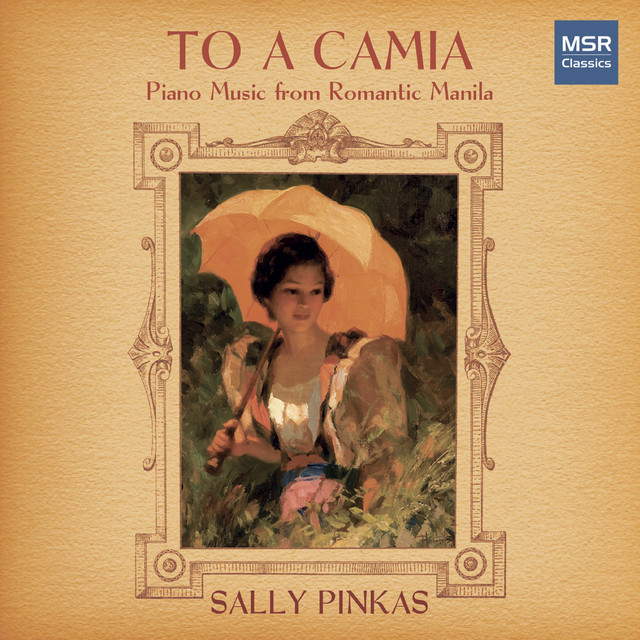
To a Camia - Piano Music from Romantic Manila
Sally Pinkas
Philippine Classical Music
Similar artists
Hide discovered
1
/5
Various Artists
Soundtrack
Afro-Funk
Alternative Rock
2
/5
Mabuhay Singers
Kundiman
Balitaw
Harana
2
/5
Bayanihan Philippine Dance Company
Filipino Rondalla
Harana
Kundiman
2
/5
Florante Aguilar
Kundiman
Philippine Classical Music
Harana
2
/5
Angelo Favis
Harana
Kundiman
Philippine Classical Music
1
/5
Ric Ickard
Harana
Kundiman
Philippine Classical Music
1
/5
Harana Kings
Harana
Kundiman
Philippine Classical Music
1
/5
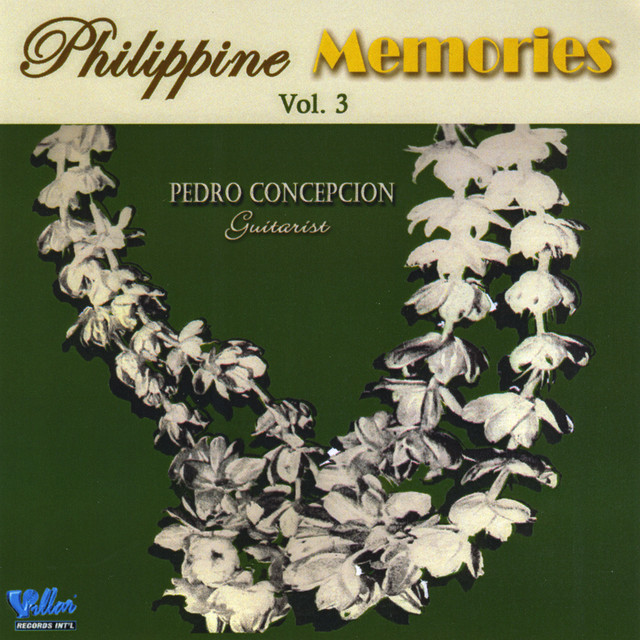
Pedro Concepcion
Kundiman
Harana
Philippine Classical Music
4
/5
Arthur Nery
Harana
Kundiman
Opm
4
/5
Cup of Joe
Kundiman
Harana
Opm
Download our mobile app
Get the Melodigging app and start digging for new genres on the go
Download on the App Store
Get it on Google Play
© 2026 Melodigging
Give feedback
About & FAQ
Legal
Melodding was created as a tribute to
Every Noise at Once
, which inspired us to help curious minds keep digging into music's ever-evolving genres.