Genres
Artists
Albums
Make Music
Sign in
Sign in
Artists
Indie Punk
Artists
Indie Punk
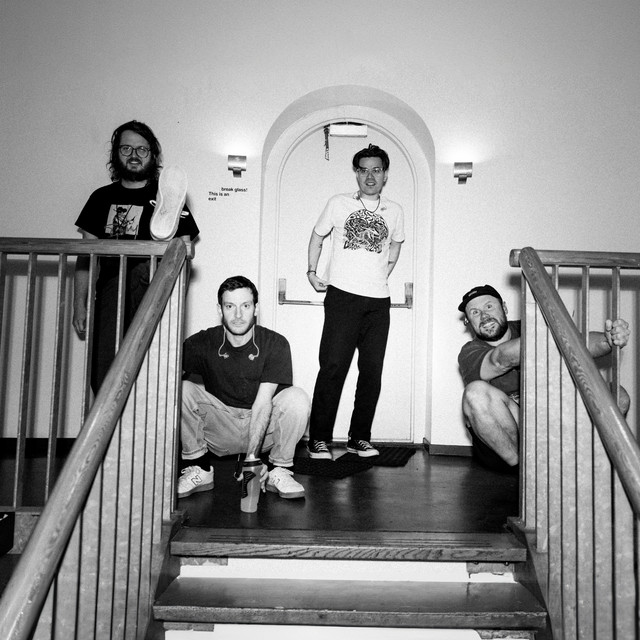
Rozwell Kid
Listen
2
/5
Genres
Alternative Emo
Alternative emo is a 2010s evolution of emo that blends the confessional lyricism and guitar-driven dynamics of classic and midwest emo with the melodic immediacy of alternative rock and indie pop. It tends to favor warm, jangly or lightly overdriven guitars, twinkly riffing, and roomy drums, pairing them with intimate, conversational vocals. Hooks are often pop-leaning, but the songs retain emo’s narrative focus on vulnerability, mental health, friendships, and the everyday details of growing up and drifting apart. Production spans from lo‑fi, bedroom-made recordings to polished studio work, but even at its glossiest, alternative emo usually preserves a lived-in, DIY feel—favoring dynamics, clean tones, and lyrical specificity over spectacle.
Discover
Listen
Modern Ska Punk
Modern ska punk is a 2010s–2020s reboot of ska’s off‑beat guitar “skank” and brass arrangements fused with pop‑punk hooks, hardcore energy, and contemporary indie/DIY production. It keeps Jamaican ska’s upstroke rhythm and walking bass feel, but toggles to double‑time punk beats and distortion for choruses, foregrounding big gang vocals and tightly voiced horn stabs. Culturally, the scene coalesced around inclusive, explicitly anti‑racist/anti‑sexist, queer‑affirming DIY communities (e.g., Bad Time Records), and a new crop of bands that treat ska not as nostalgia but as a flexible songwriting language. High‑profile signals of the revival included Jeff Rosenstock’s 2021 full‑album ska rework SKA DREAM, and We Are the Union’s Ordinary Life, a trans‑affirming, hook‑forward ska‑punk LP. The term “New Tone,” popularized by members of Bad Operation, captures a cleaner, roots‑aware but forward‑looking branch of the sound.
Discover
Listen
Diy Emo
DIY emo is a grassroots, home-recorded and community-driven branch of contemporary emo that blends twinkly Midwest-emo guitar work, confessional lyricism, and pop-punk urgency with a distinctly lo‑fi, self-produced aesthetic. It foregrounds the ethics of the do‑it‑yourself underground: basement shows, tape or Bandcamp releases, collective touring, and a preference for intimacy over polish. Sonically, it leans on clean, chiming guitars, melodic basslines, dynamic drumming, and unvarnished vocals that veer from soft-spoken to cathartic sing-alongs. Rather than chasing radio gloss, DIY emo embraces rawness and vulnerability—often capturing the feel of a crowded living room show—while channeling themes of friendship, mental health, hometowns, and the bittersweet transitions of early adulthood.
Discover
Listen
Grungegaze
Grungegaze is a hybrid of 1990s grunge’s gritty, riff‑forward heaviness and shoegaze’s hazy, reverb‑soaked atmosphere. It pairs thick, down‑tuned guitars and a muscular rhythm section with smeared walls of delay, chorus, and fuzz, letting chords bloom into clouds of overtones. Vocals are often breathy, melancholic, and mixed low—more another texture than a focal hook—while songs pivot between quiet, foggy verses and explosive, saturated crescendos. The result is music that feels simultaneously weighty and weightless: emotionally raw like grunge, yet dreamy and enveloping like shoegaze.
Discover
Listen
Indie Punk
Indie punk blends the urgency and economy of punk with the tunefulness, introspection, and DIY aesthetics of indie rock. Songs are short, hook-driven, and guitar-forward, but they typically privilege wit, heart, and personality over virtuosity or gloss. Production is often raw or deliberately lo‑fi, guitars are overdriven rather than hyper‑distorted, and vocals lean toward shout‑sung sincerity. Compared with pop punk, indie punk tends to be less polished and more lyrically nuanced; compared with classic indie rock, it is faster, louder, and more kinetic while retaining melodic focus and a strong DIY ethos.
Discover
Listen
Power Pop
Power pop is a guitar-driven style that distills the melodic immediacy of 1960s British Invasion pop into concise, high-energy rock songs. It emphasizes big hooks, ringing guitars (often Rickenbacker-style jangle), tight vocal harmonies, and punchy, economical arrangements that typically run around three minutes. Lyrically, it leans toward youthful longing, romance, and bittersweet nostalgia, delivered with bright major-key progressions, chiming arpeggios, and sing-along choruses. Though Pete Townshend used the term in the late 1960s, the genre cohered in the early 1970s with bands like Badfinger, Big Star, and the Raspberries, and it has resurfaced repeatedly in waves through new wave, indie, and modern pop-punk contexts.
Discover
Listen
Similar artists
3
/5
PUP
Indie Punk
Alternative Emo
Bubblegrunge
3
/5
Jeff Rosenstock
Power Pop
Punk Rock
Pop Punk
2
/5
Charly Bliss
Indie Punk
Power Pop
Candy Pop
2
/5
Martha
Indie Punk
Power Pop
Queercore
2
/5
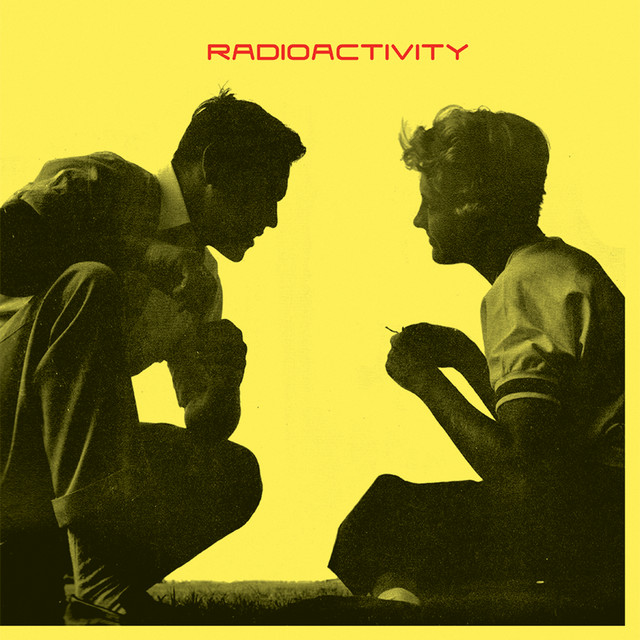
Radioactivity
Garage Punk
Garage Rock
Indie Punk
2
/5
Bad Moves
Indie Punk
Power Pop
Candy Pop
2
/5
The Marked Men
Egg Punk
Garage Punk
Garage Rock
2
/5
Cheap Girls
Folk Punk
Indie Punk
Power Pop
1
/5
Vacation
Garage Rock
Indie Punk
Noise Rock
1
/5
The White Wires
Garage Rock
Indie Punk
Power Pop
Download our mobile app
Get the Melodigging app and start digging for new genres on the go
Download on the App Store
Get it on Google Play
© 2026 Melodigging
Give feedback
Legal
Melodding was created as a tribute to
Every Noise at Once
, which inspired us to help curious minds keep digging into music's ever-evolving genres.