Genres
Artists
Albums
Make Music
Sign in
Sign in
Artists
Nashville Sound
Artists
Nashville Sound
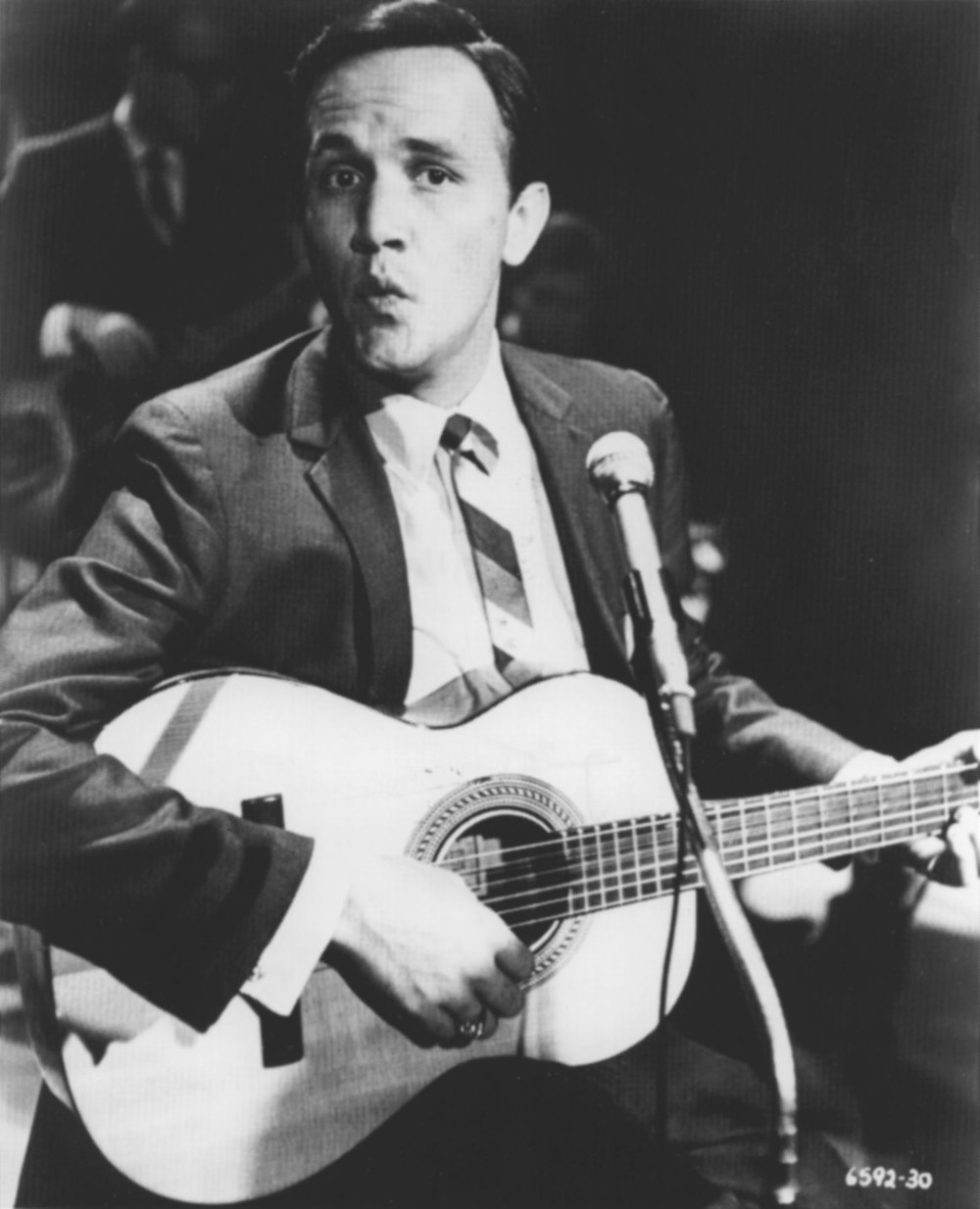
Roger Miller
1988–2018
·
5 albums
Listen
3
/5
Genres
Soundclown
Soundclown is an internet-born remix and mashup style that thrives on comedic juxtaposition, bait‑and‑switch reveals, and hyper-referential sample collage. It blends pop hits, game and cartoon music, ad jingles, meme sounds, and viral speech into quick-cut audio gags. The genre developed across YouTube and SoundCloud, favoring shock humor, nostalgia, and absurdity over traditional song form. Hallmarks include sudden key/tempo whiplash, exaggerated pitch-shifts, ear‑rending “earrape” peaks, and punchline drops that transform a familiar source into something hilariously incongruent. Because it is fundamentally platform-native, soundclown is as much a memetic editing culture as a musical style. Its tracks often function like sonic shitposts: fast, punchy, and built for instant recognition and shareability.
Discover
Listen
Bro-Country
Bro-country is a commercially oriented subgenre of contemporary country music that blends radio-friendly country with pop, rock, and hip-hop production tropes. It is typified by party-ready choruses, glossy, high-gain electric guitars, sub-bass and programmed drums, and hook-first songwriting aimed at arena and festival stages. Lyrically, the songs often revolve around small-town escapism, pickup trucks, tailgate parties, summertime romance, beer brands, and uncomplicated good times, frequently told from a male, first-person perspective. Vocals commonly employ talk-singing, light rap cadences, or chantable gang hooks, while harmonies stay simple and consonant. The overall affect is upbeat, celebratory, and instantly memorable, designed for mass sing-alongs and high streaming/radio rotation.
Discover
Listen
Queer Country
Queer country is a contemporary movement within country and Americana that centers LGBTQ+ voices, stories, and aesthetics while keeping strong ties to classic country songwriting, instrumentation, and vocal styles. Musically, it often draws from traditional country, outlaw country, honky-tonk, and folk-country, but its defining feature is lyrical perspective: songs about queer love, gender expression, chosen family, rural/working-class life, and the tension between tradition and belonging. Rather than being a single fixed sound, queer country is best understood as a scene and cultural re-framing of country music—one that challenges the genre’s historic heteronormativity while celebrating its narrative power and community roots.
Discover
Listen
Country Pop
Country pop blends the narrative songwriting and acoustic roots of country music with the melodic hooks, streamlined structures, and polished production of pop. Born from the Nashville Sound and later countrypolitan aesthetics, it emphasizes smooth vocals, lush arrangements, and radio-friendly choruses while retaining country’s storytelling and Americana imagery. Typical instrumentation includes acoustic and electric guitars, subtle pedal steel, piano or pads, and tasteful strings, with light, steady drums supporting mid-tempo grooves. Lyrically, country pop centers on love, home, heartbreak, resilience, and everyday life, delivered with conversational clarity and contagious, sing-along refrains that bridge country’s heart and pop’s sheen.
Discover
Listen
Nashville Sound
The Nashville Sound is a smooth, pop-leaning style of country music that emerged in the late 1950s out of Nashville’s recording studios. It softened honky-tonk edges with orchestral strings, background vocal choirs, and polished production to appeal to both country and mainstream pop audiences. Instead of the fiddle-and-steel-forward bar-band feel, the style favors crooning lead vocals, "slip-note" piano, tic-tac bass, subdued drums with brushes, and tasteful electric guitar. Lyrically, it centers on love, longing, and adult romance, packaged in concise, radio-ready song forms that crossed over to the pop charts.
Discover
Listen
Honky Tonk
Honky tonk is a hard-edged, barroom strain of country music built for noisy dancehalls and roadside beer joints. It emphasizes a strong backbeat, simple I–IV–V harmony, and vivid storytelling about heartbreak, drinking, cheating, and working-class life. Sonically, it features twangy electric (often Telecaster) guitar, crying pedal steel or lap steel, fiddle, pounding honky-tonk piano with boogie-woogie figures, upright or electric bass, and a steady shuffle or two-step drum groove. Vocals are direct and emotive, often with a nasal twang and blue-note inflections, designed to cut through a lively room. Amplification and a danceable feel are central, reflecting its origins in Texas and Oklahoma bars after Prohibition, where musicians needed volume, rhythmic drive, and memorable hooks to reach listeners over clinking glasses and conversation.
Discover
Listen
Classic Country
Classic country refers to the traditional sound of American country music established from the 1940s through the 1970s, before the genre’s heavy pop crossover of later decades. It foregrounds storytelling, plainspoken vocals, and clean, twangy instrumentation such as acoustic guitar, Telecaster-style electric guitar, fiddle, pedal steel, upright or electric bass, piano, and restrained drums. Hallmark rhythms include the two-step (in 2/4), the steady 4/4 shuffle, the “train beat,” and the country waltz (3/4). Harmony is typically diatonic and rooted in I–IV–V progressions with occasional secondary dominants and simple turnarounds. Lyrically, classic country centers on love and heartache, rural and working-class life, faith, family, drinking and redemption, and the open road. Production is intimate and voice-forward, ranging from the raw honky-tonk bar-band feel to the smoother Nashville sound with tasteful strings and backing vocals.
Discover
Listen
Country
Country is a roots-based popular music from the rural American South that blends Anglo-Celtic ballad traditions with African American blues, gospel, and string-band dance music. It is characterized by narrative songwriting, plainspoken vocals with regional twang, and a palette of acoustic and electric instruments such as acoustic guitar, fiddle, banjo, pedal steel, and telecaster guitar. Rhythmically it favors two-step feels, train beats, shuffles, and waltzes, while harmony is largely diatonic (I–IV–V) with occasional country chromaticism and secondary dominants. Across a century, country has evolved through substyles like honky-tonk, the Nashville and Bakersfield sounds, outlaw country, neotraditionalist revivals, pop-country, and country-rap hybrids, but it consistently prioritizes storytelling about everyday life, love, work, faith, place, and identity.
Discover
Listen
Show all 8 genres
Albums
2018
1
/5
Dang Me (Roger and Out)
Roger Miller
Country Pop
2015
1
/5
The Return of Roger Miller
Roger Miller
Country Pop
1991
2
/5
Best Of Roger Miller
Roger Miller
Nashville Sound
Country
Honky Tonk
1991
2
/5
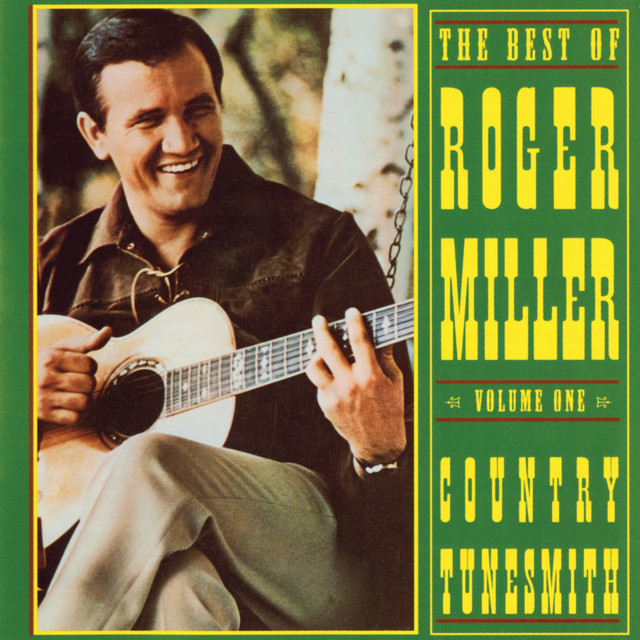
The Best Of Roger Miller, Volume One: Country Tunesmith
Roger Miller
Nashville Sound
1988
3
/5
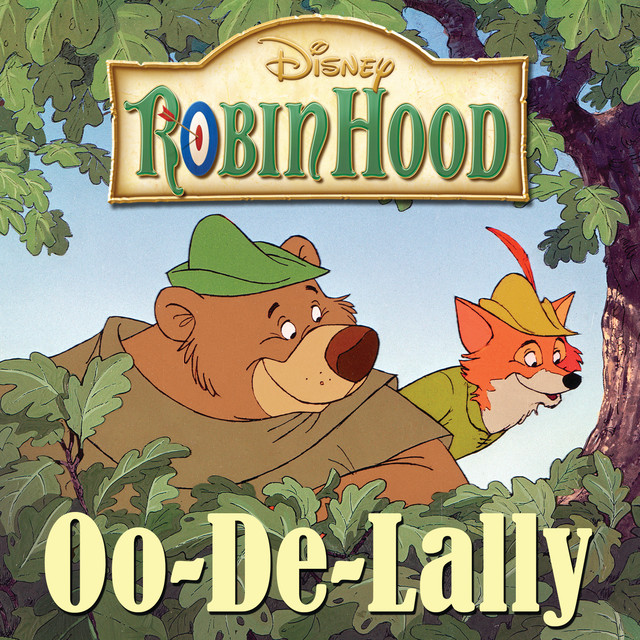
Oo-De-Lally (From "Robin Hood")
Roger Miller
Nashville Sound
Similar artists
4
/5
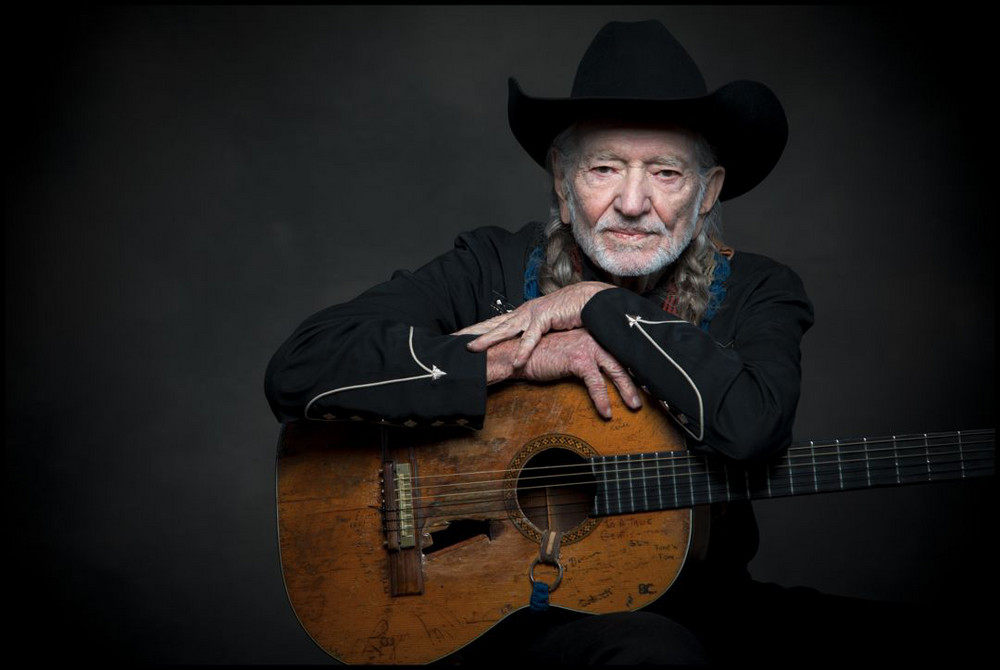
Willie Nelson
Country
Nashville Sound
Outlaw Country
3
/5
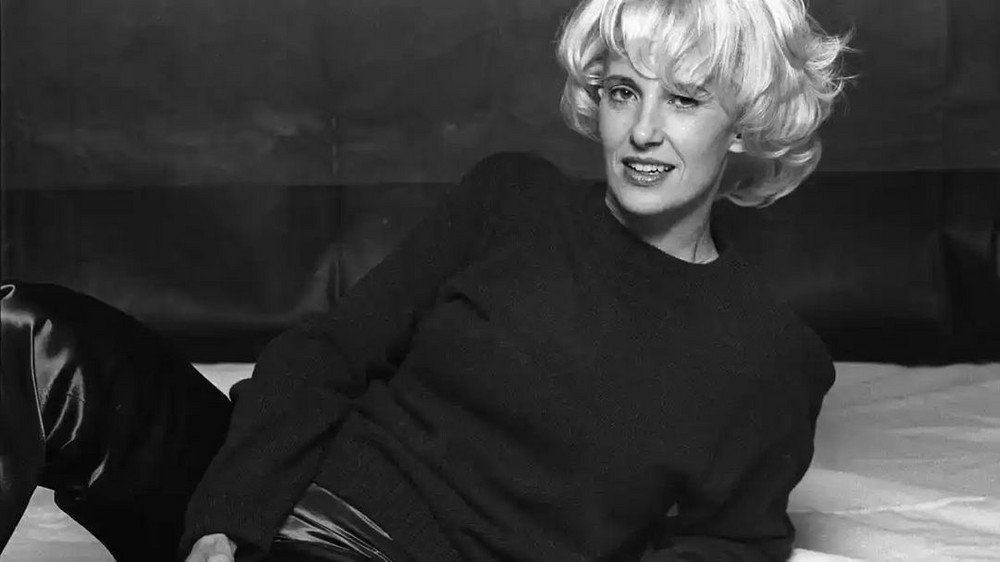
Tammy Wynette
Country
Honky Tonk
Traditional Country
3
/5
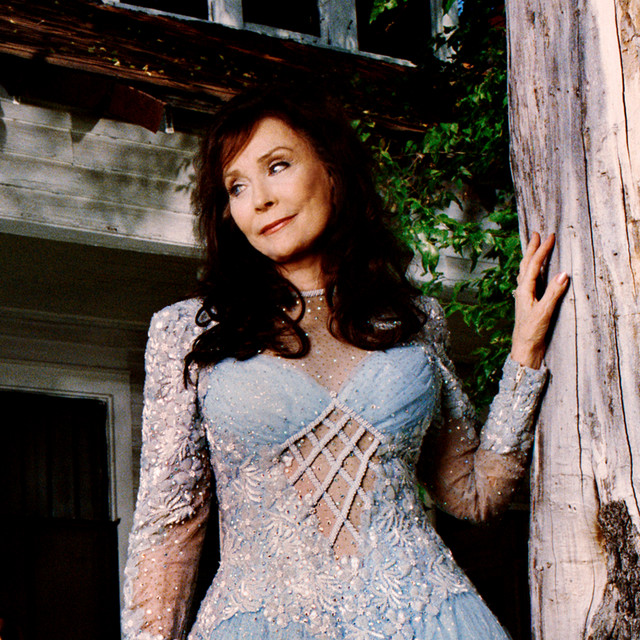
Loretta Lynn
Country
Christian Country
Classic Country
4
/5
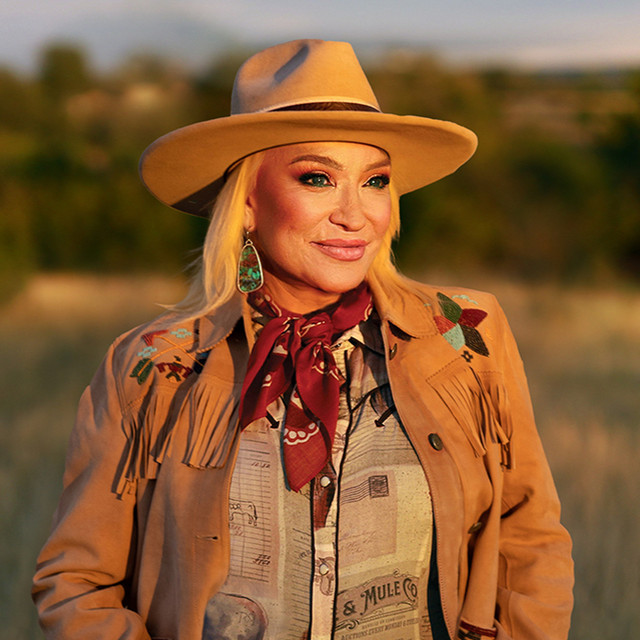
Tanya Tucker
Country
Classic Country
Outlaw Country
5
/5
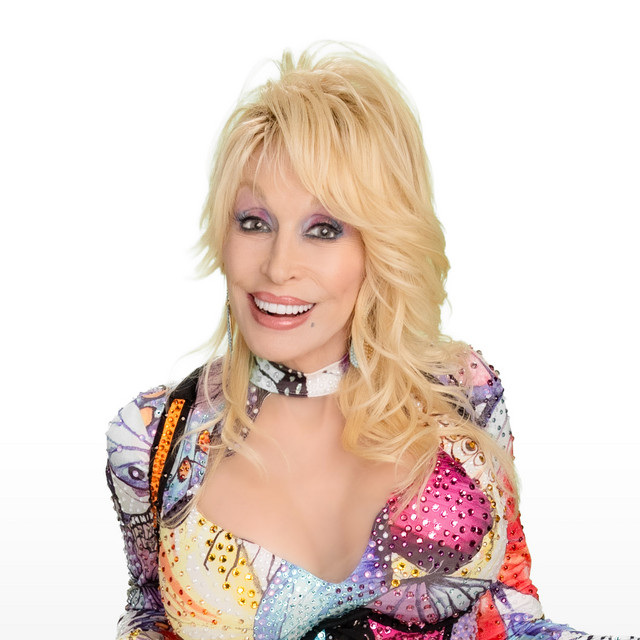
Dolly Parton
Country
Nashville Sound
Pop
4
/5
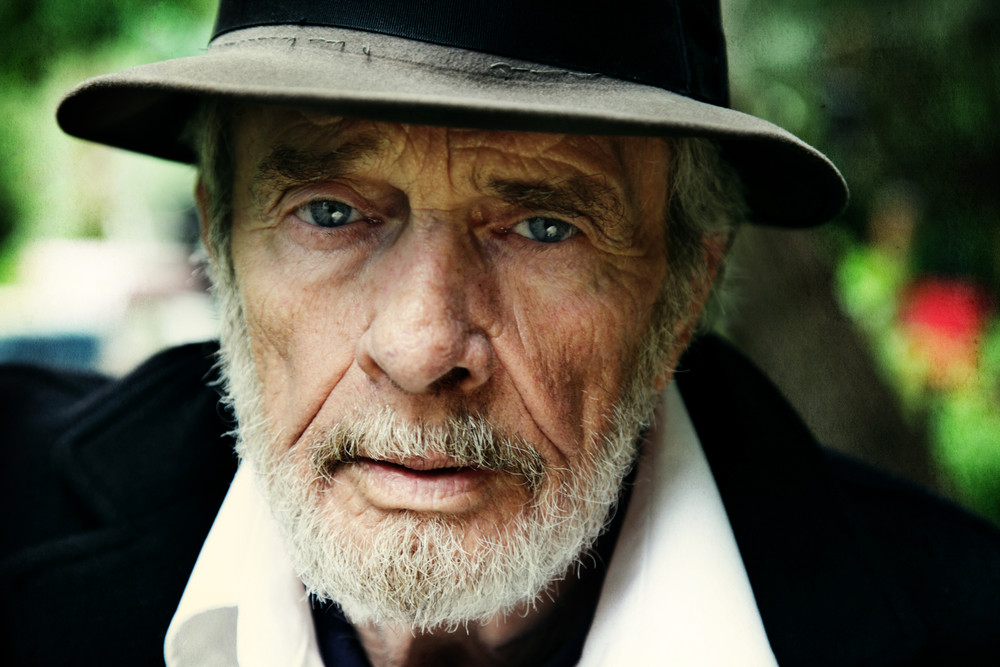
Merle Haggard
Bakersfield Sound
Country
Honky Tonk
4
/5
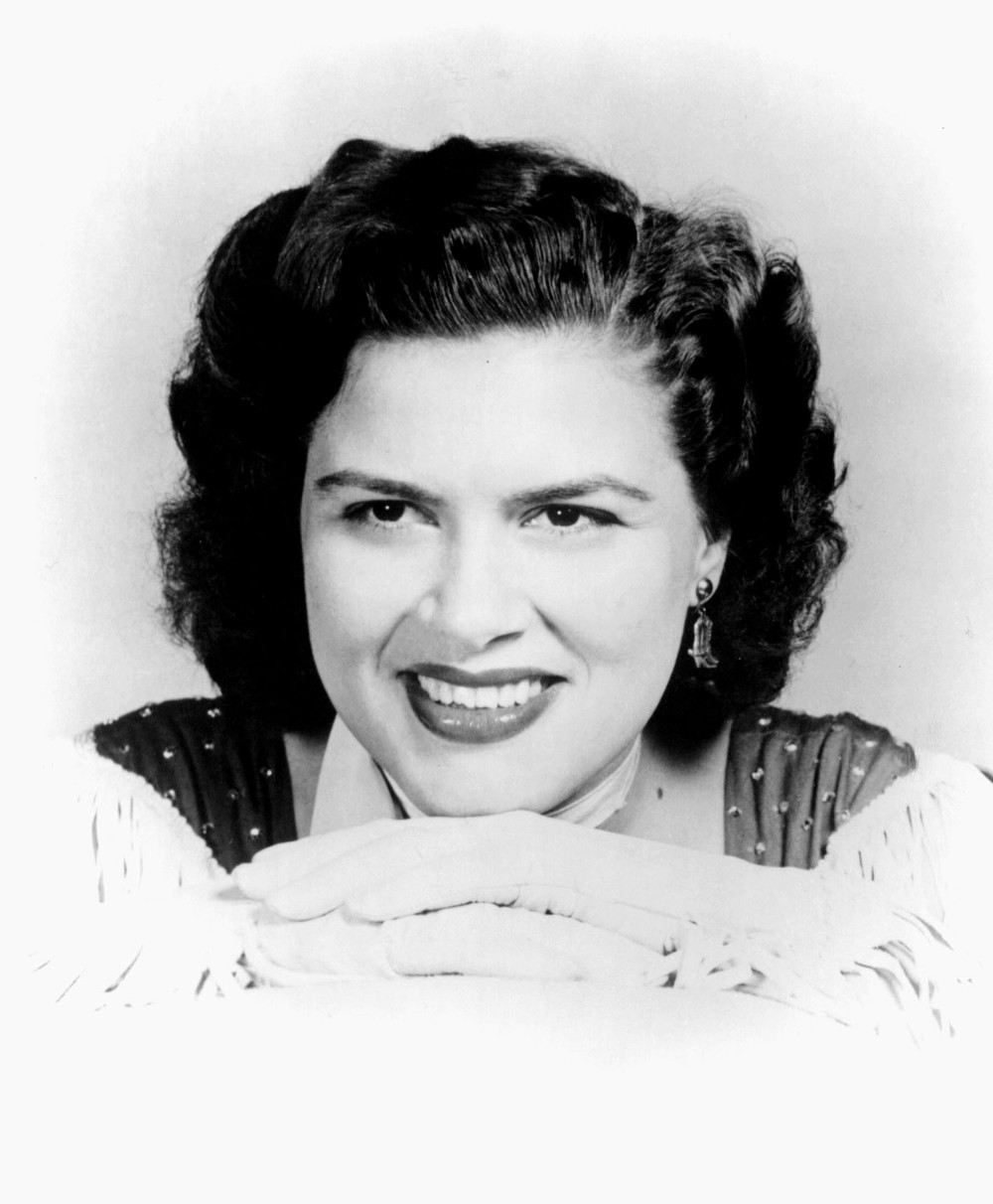
Patsy Cline
Nashville Sound
Country
Classic Country
4
/5
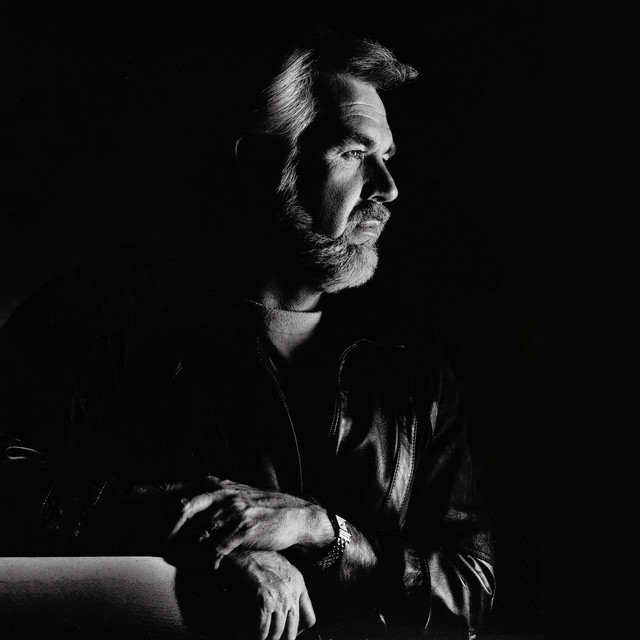
Kenny Rogers
Nashville Sound
Country
Country Dawn
4
/5
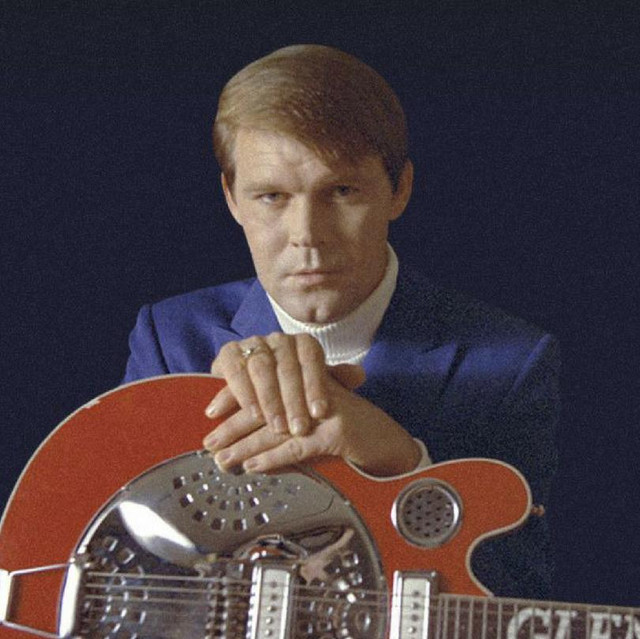
Glen Campbell
Nashville Sound
Countrypolitan
Country
4
/5
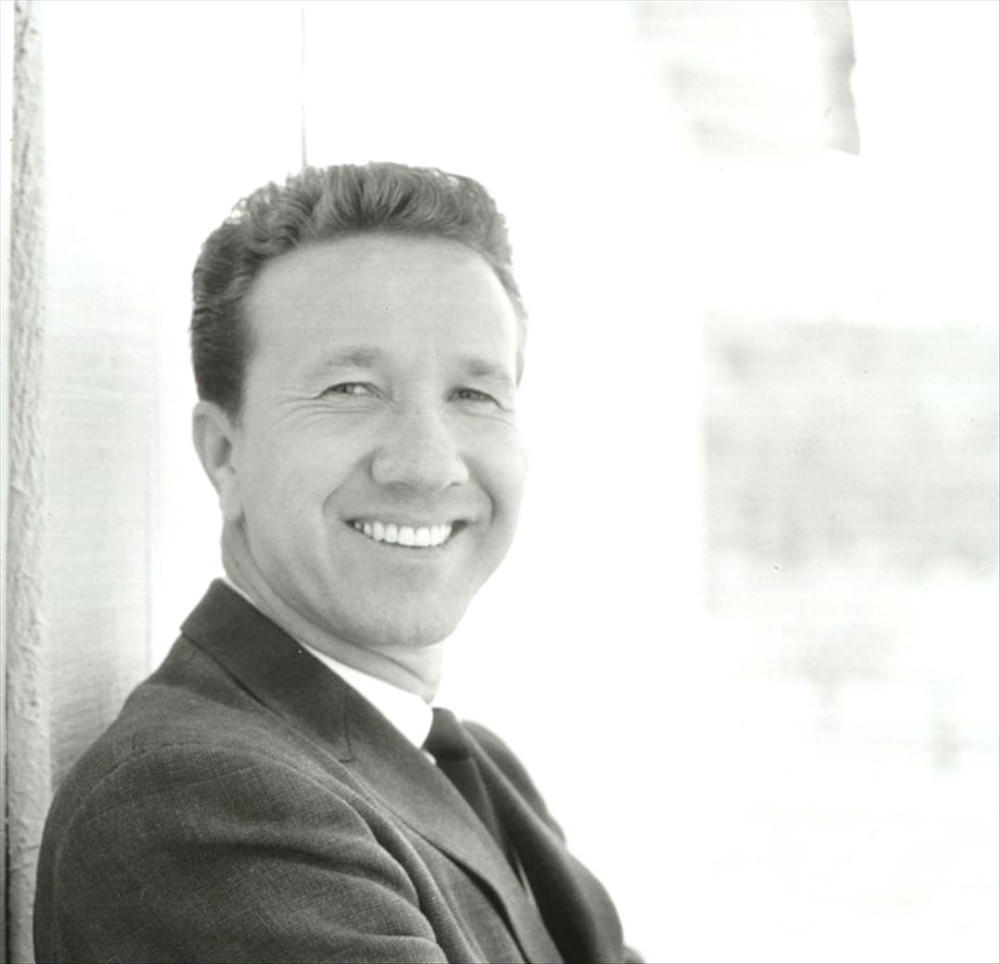
Marty Robbins
Nashville Sound
Country
Western
Download our mobile app
Get the Melodigging app and start digging for new genres on the go
Download on the App Store
Get it on Google Play
© 2026 Melodigging
Give feedback
Legal
Melodding was created as a tribute to
Every Noise at Once
, which inspired us to help curious minds keep digging into music's ever-evolving genres.