Genres
Artists
Albums
Make Music
Sign in
Sign in
Artists
Pop Rock
Artists
Pop Rock
Pooh
1966–2012
·
32 albums
Listen
3
/5
Genres
Pop Rock
Pop rock blends the hook-focused immediacy of pop with the instrumentation and drive of rock. It prioritizes catchy melodies, concise song structures, and polished production while retaining guitars, bass, and drums as core elements. Typical pop rock tracks use verse–pre-chorus–chorus forms, strong vocal harmonies, and memorable riffs. The sound ranges from jangly and bright to mildly overdriven and arena-ready, aiming for radio-friendly appeal without abandoning rock’s rhythmic punch.
Discover
Listen
Italian Singer-Songwriter
Italian singer-songwriter (cantautorato/canzone d'autore) is a lyric-centered tradition in Italian popular music where the performer is also the principal author of the lyrics and music. It blends poetic, narrative songwriting with melodic pop, folk, jazz, and light rock arrangements, placing storytelling and social commentary at the forefront. While highly melodic and accessible, it values literary craft, regional color, and personal voice, ranging from intimate acoustic ballads to sophisticated, orchestrated songs.
Discover
Listen
Singer-Songwriter
Singer-songwriter is a song-focused style in which the same person writes, composes, and performs their own material, often accompanying themselves on acoustic guitar or piano. It emphasizes personal voice, lyrical intimacy, and storytelling over elaborate production. Arrangements are typically sparse, allowing the melody, words, and performance nuance to carry the song’s emotional weight. While rooted in folk and blues traditions, singer-songwriter embraces pop and rock songcraft, producing works that can range from quiet confessional ballads to subtly orchestrated, radio-ready pieces.
Discover
Listen
Symphonic Rock
Symphonic rock is a style of rock that integrates orchestral instrumentation, classical forms, and large‑scale arrangements into the core sound of a rock band. Typical timbres include strings, brass, woodwinds, choir, mellotron, Hammond organ, piano, and analog synthesizers supporting guitars, bass, and drums. The genre emphasizes grand, cinematic dynamics, thematic development, and harmonic richness drawn from Western classical music, while retaining the energy and songcraft of rock. It often overlaps with progressive rock, but places a particular focus on lush orchestration, romantic melodicism, and overtly symphonic textures—ranging from studio overdubs and mellotron layers to fully scored collaborations with symphony orchestras.
Discover
Listen
Beat Music
Beat music (often called Merseybeat when centered on Liverpool) is a British style of early-to-mid 1960s guitar pop built on a strong, danceable backbeat, close vocal harmonies, and concise, hook-driven songwriting. It blends the rhythmic drive of American rock and roll and rhythm and blues with skiffle’s DIY energy and doo‑wop’s harmonies, typically delivered by two electric guitars, electric bass, and drums, with frequent handclaps and tambourine. Songs are short, catchy, and youthful in theme, favoring major keys, I–IV–V progressions, and memorable choruses that foreground melody over instrumental virtuosity.
Discover
Listen
Europop
Europop is a broad pop music style that developed in continental Europe and emphasizes catchy melodies, strong hooks, and danceable rhythms. It often features bright, polished production, simple and memorable choruses, and a preference for major keys and sing‑along refrains. While early europop drew on local traditions like schlager and yé‑yé, the genre quickly integrated international influences such as disco, synth‑pop, and new wave. English‑language lyrics are common to facilitate cross‑border appeal, though many hits also mix languages. Europop is closely associated with the Eurovision Song Contest aesthetic—big choruses, theatrical staging, and accessible, universal themes.
Discover
Listen
Garage Rock
Garage rock is a raw, energetic style of rock music that emerged in the mid-1960s from local scenes across North America. Typically performed by amateur or semi-professional teenage bands in basements and suburban garages, the sound is unpolished and immediate, favoring feel over finesse. Its hallmarks include distorted guitars, pounding drums, simple chord progressions (often I–IV–V), prominent Farfisa/Vox organ riffs, and shouted, attitude-heavy vocals. Songs are short, hooky, and driven by rhythmic urgency, with lyrics about teenage love, boredom, rebellion, and swagger. The style became a direct ancestor of proto-punk and punk rock, prized for its do-it-yourself spirit and visceral impact.
Discover
Listen
Mod
Mod is a British music style rooted in the early-to-mid 1960s modernist youth culture that prized sharp fashion, nightlife, and danceable American R&B and soul. Musically, it blends tight, hook-forward songwriting with brisk tempos, crisp guitar work, prominent backbeats, and frequent use of Hammond organ and occasional horn stabs. Typical mod records are concise and energetic, drawing on blues and R&B progressions but framed with pop sensibility and vocal harmonies. The sound sits between beat music and early rock, with a soulful edge and a strong emphasis on dancing and style. While the original wave crested in the mid-1960s, the approach later reappeared in the late-1970s mod revival and has continued to inform power pop and Britpop aesthetics.
Discover
Listen
Progressive Rock
Progressive rock is a rock subgenre that expands the genre’s formal, harmonic, and conceptual boundaries. It favors long-form compositions, intricate arrangements, and virtuosic musicianship, often drawing on Western classical, jazz, folk, and psychedelic idioms. Typical hallmarks include multi-part suites, shifting time signatures, extended instrumental passages, recurring motifs, and concept albums that present unified themes or narratives. The sound palette commonly features electric guitar, bass, and drums alongside an array of keyboards (Hammond organ, Mellotron, Moog/ARP synthesizers, piano), woodwinds or brass, and occasional orchestral additions. Lyrics often explore science fiction, mythology, philosophy, social commentary, and introspective themes.
Discover
Listen
Pop
Pop is a broad, hook-driven style of popular music designed for wide appeal. It emphasizes memorable melodies, concise song structures, polished vocals, and production intended for radio, charts, and mass media. While pop continually absorbs elements from other styles, its core remains singable choruses, accessible harmonies, and rhythmic clarity. Typical forms include verse–pre-chorus–chorus, frequent use of bridges and middle-eights, and ear-catching intros and outros. Pop is not defined by a single instrumentation. It flexibly incorporates acoustic and electric instruments, drum machines, synthesizers, and increasingly digital production techniques, always in service of the song and the hook.
Discover
Listen
Rock
Rock is a broad family of popular music centered on amplified instruments, a strong backbeat, and song forms that foreground riffs, choruses, and anthemic hooks. Emerging from mid‑20th‑century American styles like rhythm & blues, country, and gospel-inflected rock and roll, rock quickly expanded in scope—absorbing folk, blues, and psychedelic ideas—while shaping global youth culture. Core sonic markers include electric guitar (often overdriven), electric bass, drum kit emphasizing beats 2 and 4, and emotive lead vocals. Rock songs commonly use verse–chorus structures, blues-derived harmony, and memorable melodic motifs, ranging from intimate ballads to high‑energy, stadium‑sized performances.
Discover
Listen
Musical
Musical (musical theatre) is a narrative stage form that integrates songs, spoken dialogue, acting, and dance to tell a story. Its core aim is dramatic storytelling in which music advances plot, deepens character, and shapes emotional arcs, often through recurring motives and reprises. Developed primarily on Broadway (New York) and later the West End (London), the genre blends operetta’s melodic lyricism, vaudeville’s variety entertainment, revue’s song-driven showcase, and Tin Pan Alley’s popular songcraft. Musicals range from intimate chamber pieces to large-scale "megamusicals," and from traditional book musicals to rock, hip‑hop, and concept-driven works. The musical’s songbook has fed the Great American Songbook and popular music at large, while the stage craft has influenced film, television, and concert performance.
Discover
Listen
Ballad
A ballad is a narrative song form that tells a story in simple, singable stanzas, traditionally using quatrains in ballad meter (alternating lines of iambic tetrameter and trimeter with an ABCB rhyme scheme). Ballads typically recount dramatic events—love, betrayal, tragedy, murder, the supernatural—or notable historical incidents. Early ballads were often sung unaccompanied or with minimal accompaniment, carried by memorable, modal melodies and refrains that aided oral transmission. Over time, the term also came to describe slow, sentimental popular songs in the 20th century, but the core of the genre remains the storytelling focus and strophic, easily learned structure. Ballads are central to the English- and Scots-language folk traditions, migrated to North America where they flourished in Appalachian singing, and continue to be performed, adapted, and reinterpreted in contemporary folk and roots scenes.
Discover
Listen
Classical
Classical music is the notated art-music tradition of Europe and its global descendants, characterized by durable forms, carefully codified harmony and counterpoint, and a literate score-based practice. The term “classical” can refer broadly to the entire Western art-music lineage from the Medieval era to today, not just the Classical period (c. 1750s–1820s). It privileges long-form structures (such as symphonies, sonatas, concertos, masses, and operas), functional or modal harmony, thematic development, and timbral nuance across ensembles ranging from solo instruments to full orchestras and choirs. Across centuries, the style evolved from chant and modal polyphony to tonal harmony, and later to post-tonal idioms, while maintaining a shared emphasis on written notation, performance practice, and craft.
Discover
Listen
Show all 14 genres
Albums
2012
Opera seconda
Pooh
Symphonic Rock
2008
Beat ReGeneration
Pooh
Pop Rock
Rock
2004
Ascolta
Pooh
Pop Rock
Rock
2003
Pinocchio: Il grande musical
Pooh
Musical
Pop
2002
Pinocchio
Pooh
Pop
2000
Cento di queste vite
Pooh
Ballad
Pop
1996
Piccola Katy
Pooh
Pop
Rock
1996
Amici x sempre
Pooh
Pop
Pop Rock
Rock
1994
Musicadentro
Pooh
Pop
Rock
1992
Il cielo è blu sopra le nuvole
Pooh
Classical
Pop
Pop Rock
1990
Uomini soli
Pooh
Ballad
Europop
Pop
1988
Oasi
Pooh
Pop Rock
1987
Il colore dei pensieri
Pooh
Pop
Pop Rock
1986
Giorni infiniti
Pooh
Pop
Pop Rock
Rock
1985
Asia non Asia
Pooh
Pop
Pop Rock
Rock
1984
Aloha
Pooh
Pop
Pop Rock
Rock
1983
Tropico del nord
Pooh
Pop
Pop Rock
Rock
1981
Buona fortuna
Pooh
Pop
Pop Rock
Rock
1980
Hurricane
Pooh
Pop
Pop Rock
Rock
1980
...Stop
Pooh
Pop
Pop Rock
Rock
1979
Viva
Pooh
Pop
Pop Rock
Rock
1978
Boomerang
Pooh
Pop Rock
Rock
1977
Rotolando respirando
Pooh
Ballad
Pop
Pop Rock
1976
Poohlover
Pooh
Pop
Pop Rock
Rock
1975
Un po’ del nostro tempo migliore
Pooh
Pop
Rock
Symphonic Rock
1975
Forse ancora poesia
Pooh
Pop
Pop Rock
Rock
1973
Parsifal
I Pooh
Pop
Progressive Rock
Rock
1972
Alessandra
Pooh
Ballad
Pop
Pop Rock
1971
Opera prima
Pooh
Ballad
Pop
Pop Rock
1970
Memorie
Pooh
Pop
Pop Rock
Rock
1968
Contrasto
Pooh
Pop
Pop Rock
Rock
1966
Per quelli come noi
Pooh
Beat Music
Garage Rock
Mod
Similar artists
Hide discovered
4
/5
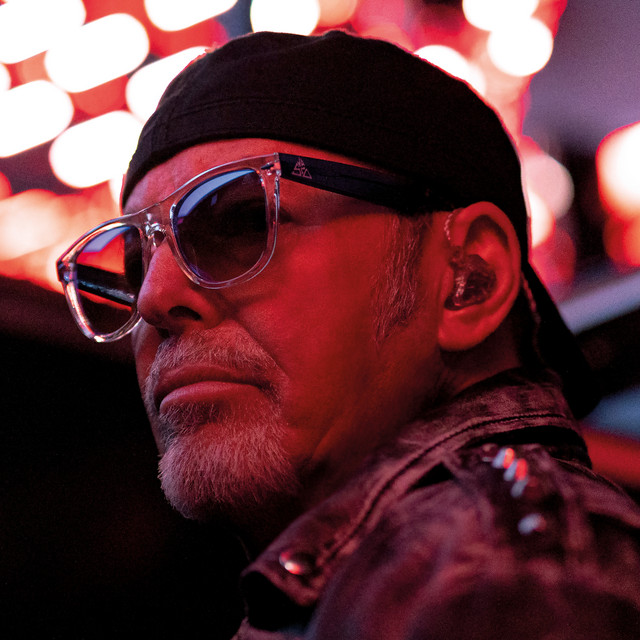
Vasco Rossi
Pop Rock
Rock
Hard Rock
3
/5
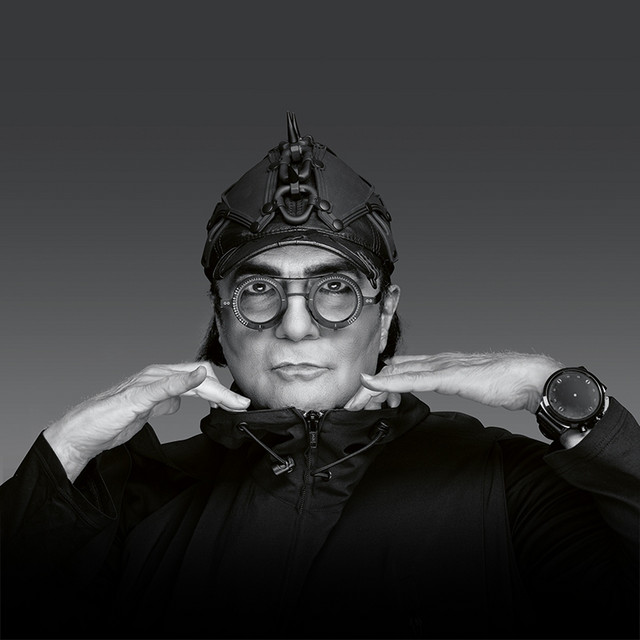
Renato Zero
Pop Rock
Pop
Europop
5
/5
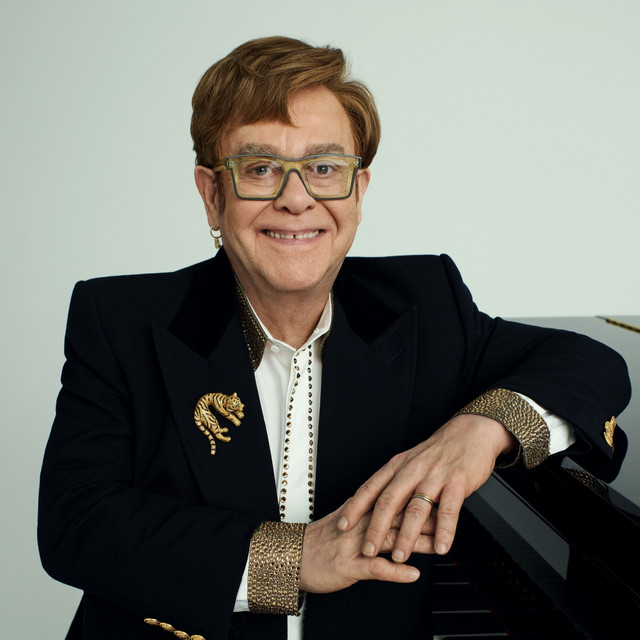
Elton John
Piano Rock
Pop
Pop Rock
4
/5
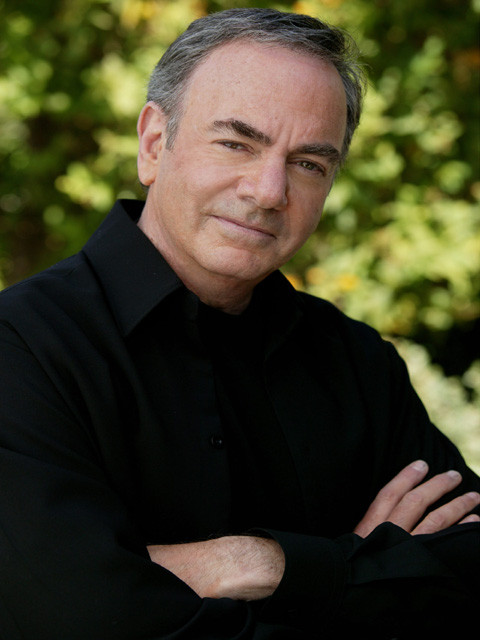
Neil Diamond
Pop
Pop Rock
Rock
4
/5
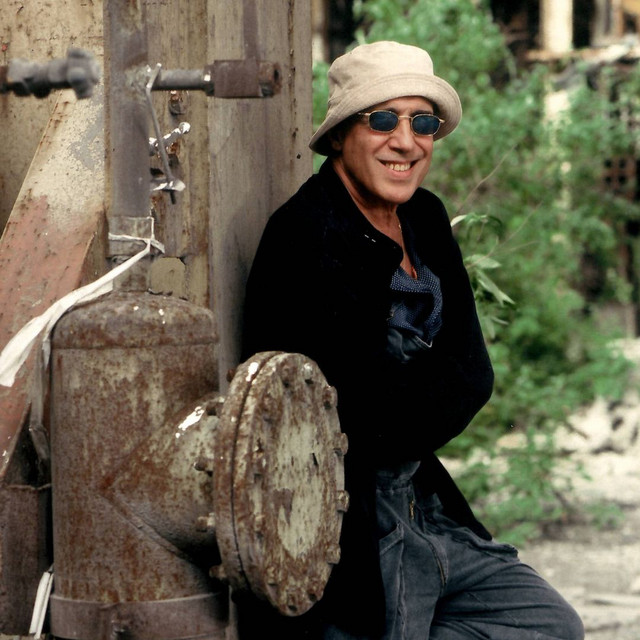
Adriano Celentano
Pop
Pop Rock
Rock
3
/5
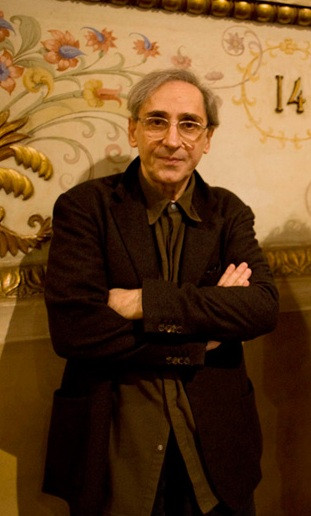
Franco Battiato
Experimental
Pop
Classical
1
/5
Various Artists
Soundtrack
Afro-Funk
Alternative Rock
4
/5
Ligabue
Pop
Rock
Pop Rock
3
/5
Claudio Baglioni
Pop
Pop Rock
Rock
3
/5
Francesco De Gregori
Pop
Rock
Pop Rock
Download our mobile app
Get the Melodigging app and start digging for new genres on the go
Download on the App Store
Get it on Google Play
© 2026 Melodigging
Give feedback
About & FAQ
Legal
Melodding was created as a tribute to
Every Noise at Once
, which inspired us to help curious minds keep digging into music's ever-evolving genres.