Genres
Artists
Albums
Make Music
Sign in
Sign in
Artists
Chanson Française
Artists
Chanson Française
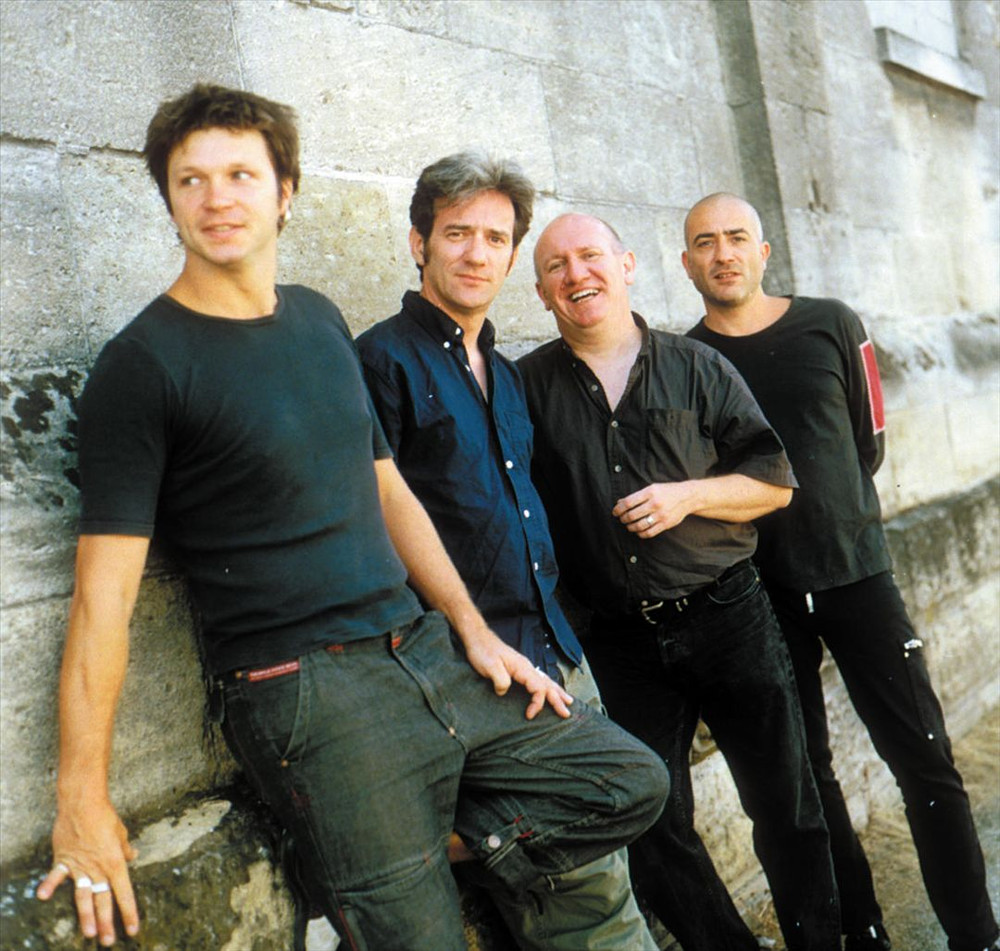
Noir Désir
Listen
3
/5
Genres
Chill Pop
Chill pop is a contemporary pop micro‑genre that blends radio‑friendly songwriting with the mellow textures of chillout and lo‑fi aesthetics. It favors soft vocals, smooth synths, clean guitar plucks, understated bass, and relaxed, mid‑tempo grooves. Instead of big, bombastic hooks, chill pop tends toward intimate, conversational melodies and minimal, airy arrangements. Production often borrows from bedroom pop and alternative R&B—subtle trap hi‑hats, warm saturation, roomy reverbs, and gentle side‑chain compression—to create a breezy, pastel sound palette well suited to playlists and late‑night listening. Lyrically, chill pop is introspective and relatable: romance, longing, gentle optimism, and coming‑of‑age themes delivered in a plain‑spoken, whisper‑close tone. The result sits between indie pop’s understated cool and mainstream pop’s catchy structures, optimized for the streaming era’s mood‑driven consumption.
Discover
Listen
Indian Indie
Indian indie is the umbrella for independent, non-film music made in India across languages such as Hindi, English, and numerous regional tongues. It is defined more by its DIY production and artist-led release model than by a single sound. Musically, it spans indie pop and rock, folk-fusion, singer‑songwriter ballads, dream‑pop/shoegaze textures, and electronic‑leaning productions. Artists often blend Western harmony and song forms with raga‑tinged melodies, Indian rhythmic feels, and occasional use of traditional instruments like tabla, bansuri, or sitar. The scene grew rapidly with college festivals, small venues, and digital platforms (YouTube, streaming services, Bandcamp), plus boutique labels and festivals such as NH7 Weekender that created national visibility. Lyrically, it tends to be intimate and contemporary—touching on romance, urban life, identity, and nostalgia—while maintaining accessible hooks and warm, organic sonics.
Discover
Listen
Pop Urbaine
Pop urbaine is a French mainstream pop style that blends contemporary R&B, hip hop, Afrobeats, dancehall, zouk, raï, and reggaeton with chart‑friendly songwriting. It emphasizes melodic hooks, mid‑tempo grooves, and sleek vocal production (often with Auto‑Tune) while foregrounding everyday, romantic, and nightlife themes in colloquial French. Rhythmically it favors syncopated Afro‑Caribbean patterns, sparse but bouncy 808 drums, and light guitar or synth plucks, creating a buoyant, danceable feel without the aggressiveness of club music. Vocals typically alternate between sung refrains and rap‑influenced verses, with catchy refrains designed for streaming and social media virality. The genre became a defining sound of French popular culture in the late 2010s, driven by a new generation of Francophone artists with diasporic roots who globalized French pop while keeping its language and local slang at the center.
Discover
Listen
French House
French house, often called the "French touch," is a sample-centric substyle of house music known for filtering and looping fragments of 1970s–1980s disco, boogie, and funk. It features a steady four-on-the-floor kick, syncopated and swung hi-hats, punchy sampled basslines, and a distinctive "pumping" feel created by heavy sidechain compression. Production commonly emphasizes warm, saturated textures and filter sweeps—automated low‑pass and high‑pass filters that open and close across loops—to create tension and release on the dancefloor. Vocoder or talkbox-tinted vocals, brief earworm hooks, and concise, groove-first arrangements are typical, with tempos usually between 120–128 BPM. The sound is closely associated with Parisian labels and crews from the mid-to-late 1990s and early 2000s, and it helped re-popularize disco aesthetics within contemporary dance music.
Discover
Listen
Alternative Rock
Alternative rock is a broad umbrella for guitar-based rock that emerged from the independent and college-radio scenes as a counterpoint to mainstream, commercial rock. It blends the energy and ethos of punk with the textural and songwriting experiments of post-punk, new wave, jangle pop, and noise rock, often foregrounding introspective or socially aware lyrics. Across its many strains—from the melodic minimalism of college rock to the loud-quiet-loud dynamics of grunge and the artful experimentation of Radiohead-era modernism—alternative rock prioritizes authenticity, sonic individuality, and a do-it-yourself approach. Its sound ranges from chiming, chorus-laden clean guitars to abrasive distortion and feedback, supported by straightforward rock rhythms or off-kilter grooves, and production that can be either raw and live-sounding or polished yet unconventional.
Discover
Listen
Grunge
Grunge is a guitar-driven subgenre of alternative rock that emerged in the mid-to-late 1980s in Seattle, United States. It fuses the raw aggression and DIY ethos of punk with the weight and riff-centric power of hard rock and heavy metal. Characterized by thick, heavily distorted guitars, dynamic quiet–loud song structures, and a visceral, unpolished production aesthetic, grunge foregrounds themes of alienation, apathy, social disaffection, and personal struggle. Vocals often shift between subdued, introspective verses and cathartic, shouted or soaring choruses, while lyrics tend toward confessional and existential tones. Beyond sound, grunge represented a cultural stance: anti-gloss, anti-virtuosity, and anti-commercial posturing—even as it became a global commercial force in the early 1990s.
Discover
Listen
Post-Punk
Post-punk is a broadly experimental strain of rock that emerged in the late 1970s as artists sought to push beyond the speed, simplicity, and orthodoxy of first-wave punk. It typically features angular, bass-forward grooves; jagged or minimal guitar lines; stark, spacious production; and an openness to dub, funk, electronic, and avant-garde ideas. Lyrics often examine alienation, urban decay, politics, and the inner life with artful or abstract delivery. A studio-as-instrument approach, emphasis on rhythm section interplay, and an appetite for non-rock textures (tape effects, drum machines, found sound, synths) distinguish the style. The result can be danceable yet tense, cerebral yet visceral, and emotionally restrained yet intensely expressive.
Discover
Listen
Punk Rock
Punk rock is a fast, raw, and stripped‑down form of rock music that foregrounds energy, attitude, and the DIY ethic over technical polish. Songs are short (often 90–180 seconds), in 4/4, and driven by down‑stroked power‑chord guitars, eighth‑note bass, and relentless backbeat drumming. Vocals are shouted or sneered rather than crooned, and lyrics are direct, often political, anti‑establishment, or wryly humorous. Production is intentionally unvarnished, prioritizing immediacy and live feel over studio perfection. Beyond sound, punk rock is a culture and practice: independent labels, fanzines, all‑ages venues, self‑organized tours, and a participatory scene that values inclusivity, affordability, and self‑reliance.
Discover
Listen
French Pop
French pop is the mainstream, melody-forward popular music sung primarily in French that blends the lyrical sophistication of chanson with the hooks, structures, and production of international pop. Its core is songcraft: memorable choruses, clear vocal presence, and arrangements that balance acoustic warmth with electronic gloss. Evolving from the 1960s yé-yé wave, the style absorbed elements of disco, new wave, synth-pop, and later electronic and hip hop production, while retaining a distinctly French sensibility in storytelling, wordplay, and romantic themes. Modern French pop ranges from intimate, soft-pop ballads to sleek electro-pop, but it remains anchored by expressive vocals and concise, radio-ready forms.
Discover
Listen
Rock
Rock is a broad family of popular music centered on amplified instruments, a strong backbeat, and song forms that foreground riffs, choruses, and anthemic hooks. Emerging from mid‑20th‑century American styles like rhythm & blues, country, and gospel-inflected rock and roll, rock quickly expanded in scope—absorbing folk, blues, and psychedelic ideas—while shaping global youth culture. Core sonic markers include electric guitar (often overdriven), electric bass, drum kit emphasizing beats 2 and 4, and emotive lead vocals. Rock songs commonly use verse–chorus structures, blues-derived harmony, and memorable melodic motifs, ranging from intimate ballads to high‑energy, stadium‑sized performances.
Discover
Listen
Chanson Française
Chanson française is a lyric-centered French song tradition in which the expressiveness, prosody, and storytelling of the French language take priority over virtuosic vocal display. Melodies tend to be memorable yet restrained, arranged to support the text rather than overshadow it. Historically linked to Parisian cabarets, music halls, and the café-concert circuit, the style embraces topics ranging from love and everyday life to social satire and political commentary. Typical accompaniments include guitar, accordion, piano, and small orchestras, with arrangements that can range from intimate to lush. Performance is as much about interpretation and diction as it is about singing, often favoring conversational phrasing and dramatic nuance.
Discover
Listen
Show all 11 genres
Similar artists
4
/5
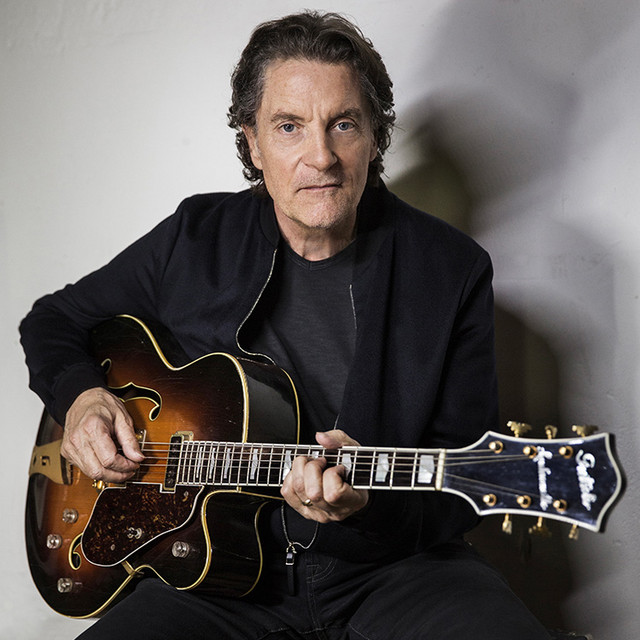
Francis Cabrel
Chanson Française
Chanson Québécoise
Chill Pop
3
/5
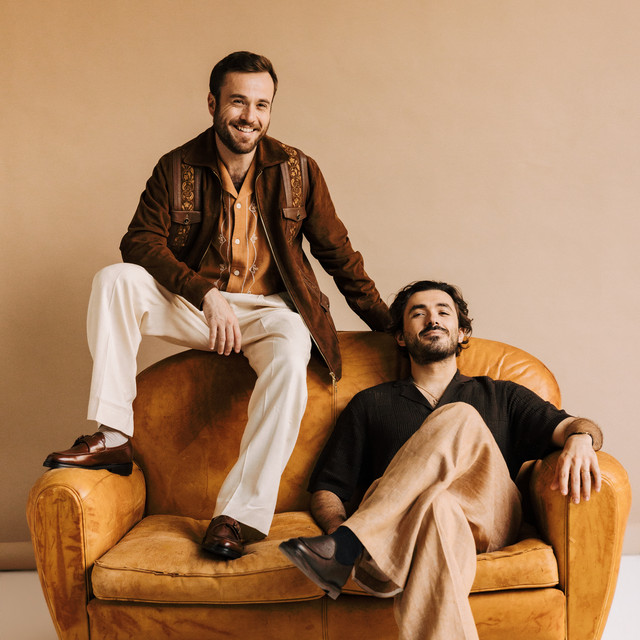
Therapie TAXI
French House
French Indie Pop
Chanson Française
3
/5
Saez
Chanson Française
Chill Pop
French House
4
/5
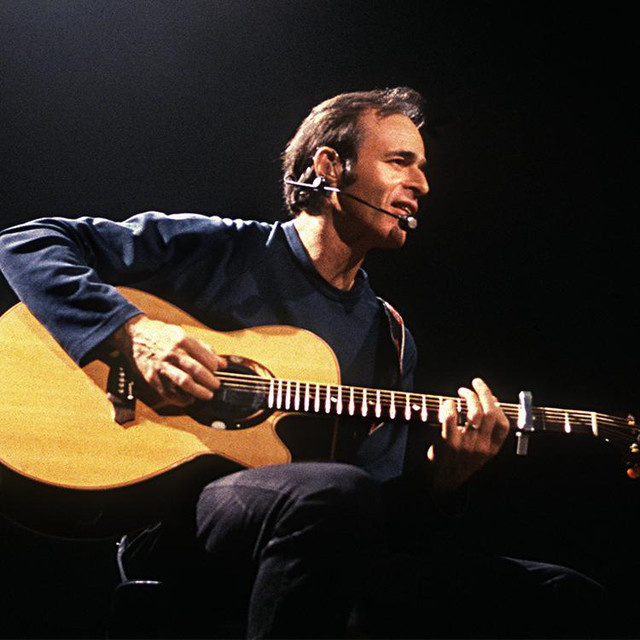
Jean-Jacques Goldman
Chanson Française
Chill Pop
French House
4
/5
Indochine
French Pop
Variete Francaise
Chanson Française
4
/5
L'Impératrice
French House
French Indie Pop
French Pop
4
/5
Hoshi
Chanson Française
Chill Pop
French House
4
/5
Bon Entendeur
Chill Pop
French House
French Indie Pop
4
/5
Renaud
Chanson Française
Chill Pop
French House
4
/5
France Gall
Yé-Yé
French Pop
Pop
Download our mobile app
Get the Melodigging app and start digging for new genres on the go
Download on the App Store
Get it on Google Play
© 2026 Melodigging
Give feedback
Legal
Melodding was created as a tribute to
Every Noise at Once
, which inspired us to help curious minds keep digging into music's ever-evolving genres.