Genres
Artists
Albums
Make Music
Sign in
Sign in
Artists
Electrocumbia
Artists
Electrocumbia
Miguel Moly
1 album
Listen
3
/5
Genres
Pop Reggaeton
Pop reggaeton is a mainstream-friendly fusion of reggaeton’s dembow rhythm with pop songwriting, melody, and production polish. It keeps the genre’s signature off‑beat snare pattern and half‑time swing while foregrounding catchy toplines, bright synths, and clean, radio-ready mixes. Tempos typically sit around 85–100 BPM (or 170–200 BPM felt in halftime), with warm 808 subs, syncopated percussion, and hook‑centric choruses. Vocals—often in Spanish or Spanglish—lean toward memorable, romantic, or aspirational themes. Compared with classic reggaeton, pop reggaeton softens timbres, smooths cadences, and uses pop structures (verse–pre‑chorus–chorus–bridge) for broad crossover appeal.
Discover
Listen
Electrocumbia
Electrocumbia (often called digital cumbia or nu-cumbia) is a contemporary, electronic reinterpretation of traditional cumbia. It merges cumbia’s signature off‑beat percussion, guacharaca/güiro textures, and tumbao bass with modern production elements such as synthesizers, drum machines, sampling, and dub-style effects. While rooted in Colombian cumbia, the style took shape across Latin America—especially within Buenos Aires’ club scene—where producers fused folkloric rhythms with downtempo, house, hip hop, and dub aesthetics. The result is a sound that can be both hypnotic and dance‑forward, oscillating between dreamy, psychedelic atmospheres and gritty, bass‑heavy grooves.
Discover
Listen
Tecnomerengue
Tecnomerengue is a dance-oriented Latin genre that modernizes merengue through the use of electronic production, synthesizers, drum machines, sequenced bass lines, and polished studio arrangements. It fuses the basic rhythmic identity of Dominican merengue with strong pop and tropical-commercial production values, and it often shows influences from cumbia and lambada. In many recordings, live instrumentation is reduced mainly to percussion and brass, while keyboards and programmed elements carry much of the harmonic and melodic texture. The style is typically fast, festive, and highly accessible, designed for clubs, parties, radio, and mass popular appeal. Compared with more traditional merengue conjunto formats, tecnomerengue tends to sound brighter, more synthetic, more arranged, and more strongly shaped by late-1980s and 1990s dance-pop aesthetics.
Discover
Listen
Tropical Music
Tropical music (música tropical) is an umbrella for dance-oriented Afro-Caribbean and coastal Latin American styles that were popularized across the Spanish-speaking world in the mid‑20th century. It blends African-derived polyrhythms and percussion with horn-led orchestras, call-and-response vocals, and catchy, romantic choruses. Typical repertoires mix cumbia, porro, merecumbé, son, mambo, merengue, pachanga, bolero, and related rhythms, presented by big bands or compact combos aimed squarely at social dancing. Beyond a single beat or tempo, the hallmark is a bright, syncopated groove (often organized around the clave), tumbao bass lines, montuno piano patterns, and sectional brass “mambos.” Over time, tropical music absorbed electric instruments and studio production while keeping its festive, coastal character.
Discover
Listen
Latin
Latin (as a genre label) is a broad umbrella used by the recording industry to categorize popular music rooted in Latin America, the Caribbean, and the Iberian world, often characterized by syncopated Afro-diasporic rhythms, dance-forward grooves, and lyrics primarily in Spanish or Portuguese. As a marketplace category that took shape in the mid-20th century United States, it gathers diverse traditions—Afro-Cuban, Brazilian, Mexican, and Caribbean styles—into a shared space. In practice, "Latin" spans everything from big-band mambo and bolero ballads to contemporary pop, rock, hip hop, and dance fusions produced by artists of Latin American heritage.
Discover
Listen
Merengue
Merengue is a fast, dance-centered popular music from the Dominican Republic characterized by a driving 2/4 meter, bright major-key harmonies, and a propulsive rhythmic engine created by güira and tambora. In its rural "típico" form, the lead instrument is a diatonic accordion, supported by tambora, güira, and bass. Urban and orchestral evolutions expanded the instrumentation to include saxophones, trumpets, trombones, piano, congas, and electric bass, yielding a powerful big-band sound. Common song forms use verse–chorus structures with catchy coros and a climactic jaleo section where horns or accordion play tightly arranged riffs. The style spans energetic party anthems, romantic ballad-leaning numbers (merengue romántico), and modern fusions that blend with pop and urban music.
Discover
Listen
Albums
Siempre siempre
Miguel Moly
Tecnomerengue
Similar artists
3
/5
Los Fantasmas del Caribe
Cumbia
Electrocumbia
Grupera
3
/5
Los Melódicos
Electrocumbia
Merengue
Tropical Music
3
/5
Afrosound
Nu-Cumbia
Chicha
Cumbia
2
/5
Banda Fiesta
Electrocumbia
Merengue
Tropical Music
2
/5
Natusha & Kondor Band
Electrocumbia
Merengue
Tropical Music
2
/5
Ivan Y Sus Bam Band
Cumbia
Electrocumbia
Merengue
2
/5
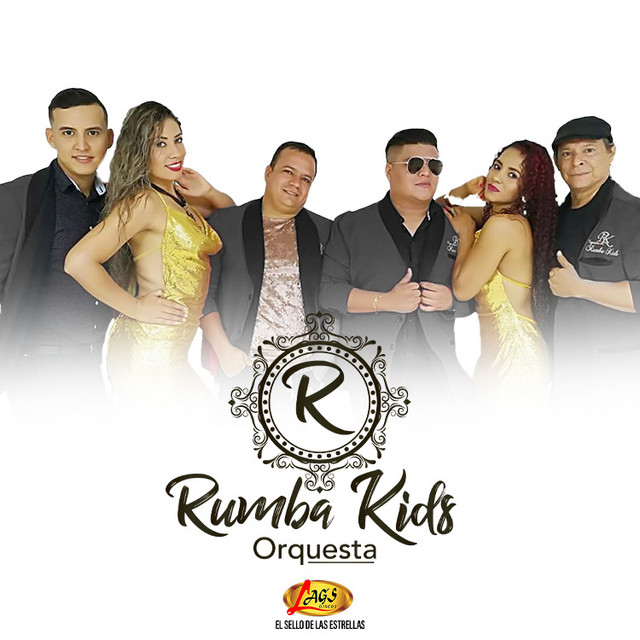
Orquesta Rumba Kids
Electrocumbia
Merengue
Salsa Choke
2
/5
Los Dumis
Electrocumbia
Merengue
Tropical Music
3
/5
Natusha
Electrocumbia
Merengue
Tecnomerengue
3
/5
Diveana
Electrocumbia
Merengue
Tecnomerengue
Download our mobile app
Get the Melodigging app and start digging for new genres on the go
Download on the App Store
Get it on Google Play
© 2026 Melodigging
Give feedback
Legal
Melodding was created as a tribute to
Every Noise at Once
, which inspired us to help curious minds keep digging into music's ever-evolving genres.