Genres
Artists
Albums
Make Music
Sign in
Sign in
Artists
Lovers Rock
Artists
Lovers Rock
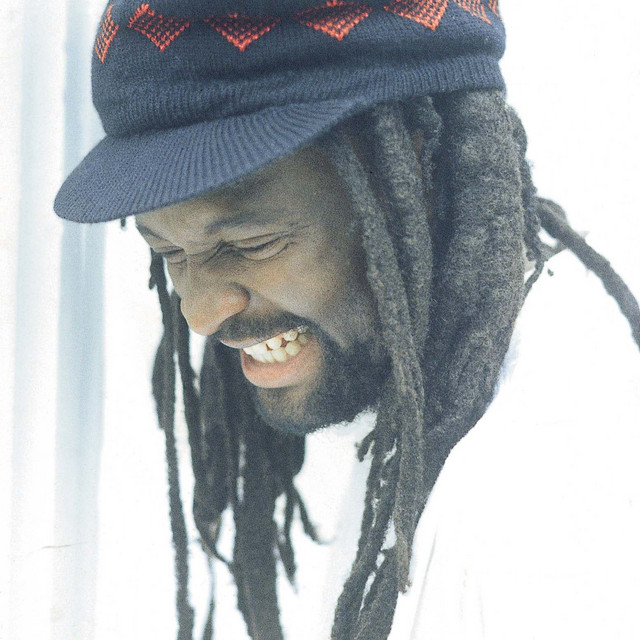
Lucky Dube
1989–2001
·
7 albums
Listen
4
/5
Genres
Ragga
Ragga (short for raggamuffin) is a digital-era branch of Jamaican dancehall that foregrounds electronic rhythms, heavy sub‑bass, and rapid‑fire toasting in Jamaican Patois. It typically uses drum machines, sampled or synthesized basslines, and minimal harmonic movement, creating spacious, hard‑hitting “riddims” over which multiple deejays deliver contrasting versions. The style crystallized in the mid‑1980s after the pivotal “Sleng Teng” riddim popularized fully digital production, ushering in a new sound that was simultaneously streetwise, club‑ready, and globally exportable. Lyrically, ragga ranges from party‑starting “slackness” and braggadocio to social commentary, and its vocal delivery combines singing, chanting, and MC‑style flows.
Discover
Listen
Lovers Rock
Lovers rock is a romantic, melodically rich branch of reggae that emerged in the United Kingdom during the mid-to-late 1970s. It emphasizes smooth vocals, tender lyrics, and polished arrangements over the heavier political themes or rugged rhythms often associated with roots reggae and dub. Built on reggae and rocksteady grooves but infused with the sensibilities of soul and R&B, lovers rock often features warm basslines, gentle one‑drop drum patterns, silky rhythm guitars, and lush keyboards or string pads. The result is an intimate, slow‑to‑mid‑tempo sound designed for close dancing and heartfelt expression.
Discover
Listen
Roots Reggae
Roots reggae is a spiritually and socially conscious strand of reggae that emerged in Jamaica in the early to mid-1970s. It emphasizes Rasta themes, African identity, resistance to oppression, and everyday struggles, delivered through soulful vocals and storytelling lyrics. Musically, it features the one‑drop drum pattern, heavy melodic basslines, offbeat "skank" guitar/piano, warm Hammond/organ bubbles, and spacious, dub-influenced production. Tempos are moderate and rolling, the grooves are hypnotic, and the arrangements leave space for call‑and‑response, harmony vocals, and horn counter‑melodies.
Discover
Listen
Mbaqanga
Mbaqanga is a South African township dance music that crystallized in the early 1960s, blending marabi piano-jazz harmonies, kwela’s lilting rhythms, and traditional Zulu/Sotho vocal styles with electric guitars, bass, saxophones, and drum kit. Characterized by a driving 4/4 shuffle, cyclical bass ostinati, choppy off‑beat rhythm guitar, tight horn riffs, and vibrant call-and-response vocals, it is both earthy and urbane—music made for public dances, shebeens, and radio alike. The term “mbaqanga” (a Zulu word for a steamed maize bread) came to signify a homegrown, filling, and proudly local sound that nonetheless drew on global jazz and R&B currents. A signature substyle, mgqashiyo, features a gravel-voiced male lead (“the groaner”) backed by a bright female chorus and a virtuoso electric band, epitomizing the music’s propulsive, joyful energy.
Discover
Listen
Reggae
Reggae is a popular music genre from Jamaica characterized by a laid-back, syncopated groove, prominent bass lines, and steady offbeat “skank” guitar or keyboard chords. The rhythmic core often emphasizes the third beat in a bar (the “one drop”), creating a spacious, rolling feel that foregrounds bass and drums. Typical instrumentation includes drum kit, electric bass, rhythm and lead guitars, keyboards/organ (notably the Hammond and the percussive "bubble"), and often horn sections. Tempos generally sit around 70–80 BPM (or 140–160 BPM felt in half-time), allowing vocals to breathe and messages to be clearly delivered. Lyrically, reggae ranges from love songs and everyday storytelling to incisive social commentary, resistance, and spirituality, with Rastafarian culture and language (e.g., “I and I”) playing a central role in many classic recordings. Studio production techniques—spring reverbs, tape delays, and creative mixing—became signature elements, especially through dub versions that strip down and reimagine tracks.
Discover
Listen
Marabi
Marabi is a South African urban dance music that emerged in the townships around Johannesburg during the 1920s. It is built on hypnotic, cyclical chord vamps—often a simple I–IV–I–V loop—played on cheap pedal organs or upright pianos in informal drinking houses known as shebeens. Blending African melodic phrasing and call-and-response with the syncopation and harmonic language of American ragtime, stride, and early jazz/swing, marabi created an irresistibly danceable groove. As the style moved from small shebeen settings to larger ensembles, saxophones, trumpets, guitar/banjo, bass, and drums amplified its energy and helped define what became known as “township jazz.” Marabi’s infectious vamps and social vitality laid the groundwork for later South African genres such as kwela and mbaqanga.
Discover
Listen
Albums
2001
1
/5
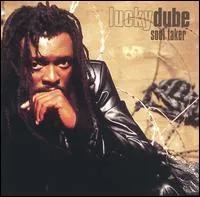
Soul Taker
Lucky Dube
Mbaqanga
1996
3
/5
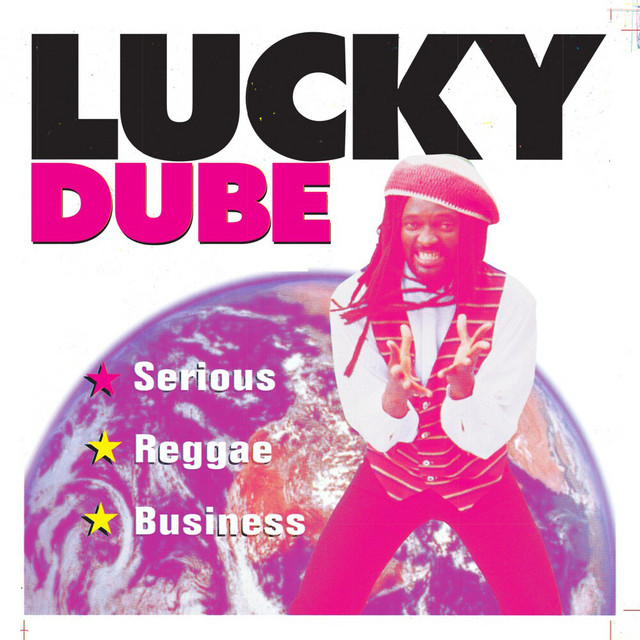
Serious Reggae Business
Lucky Dube
Lovers Rock
1991
4
/5
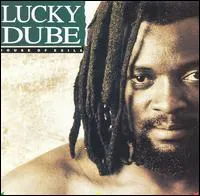
House of Exile (Remastered)
Lucky Dube
Lovers Rock
1991
1
/5
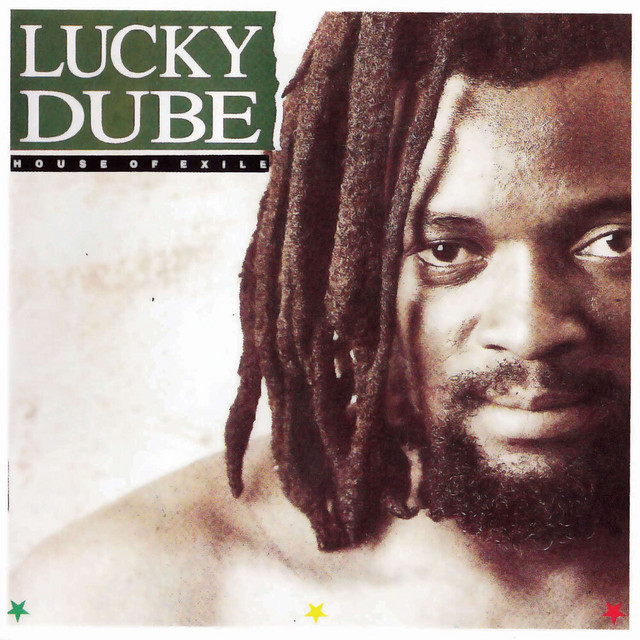
House of Exile
Lucky Dube
Mbaqanga
Marabi
1989
3
/5
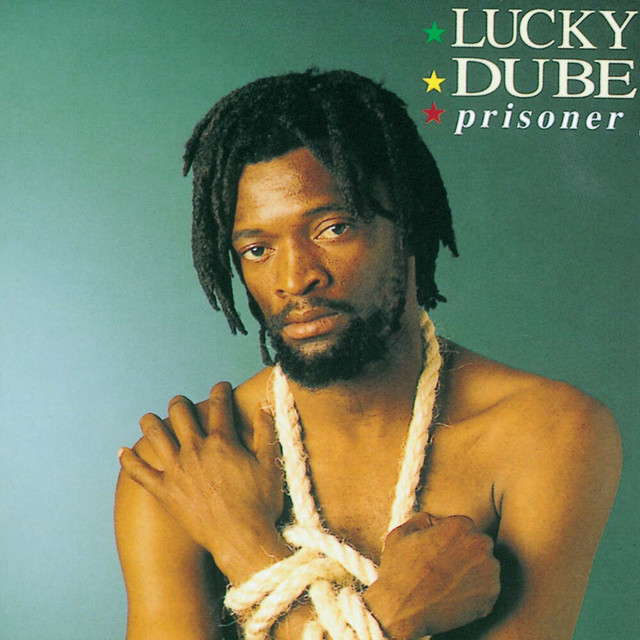
Prisoner
Lucky Dube
Lovers Rock
1989
4
/5
Prisoner (Remastered)
Lucky Dube
Lovers Rock
Taxman
Lucky Dube
Mbaqanga
Similar artists
4
/5
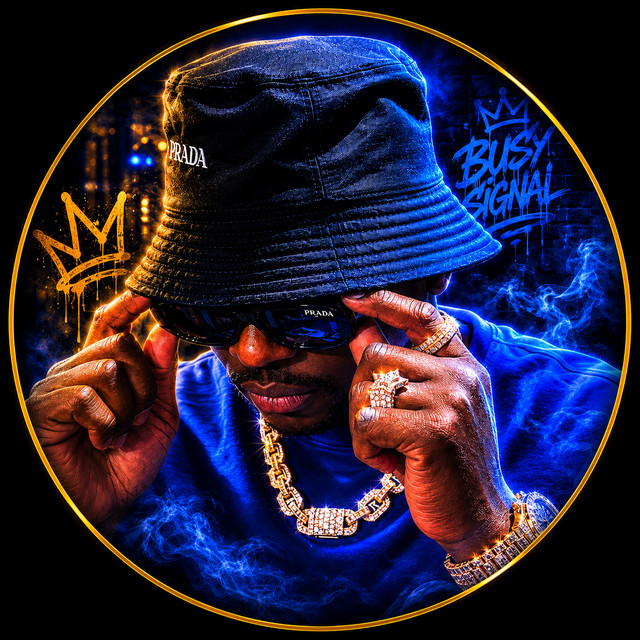
Busy Signal
Lovers Rock
Ragga
Roots Reggae
4
/5
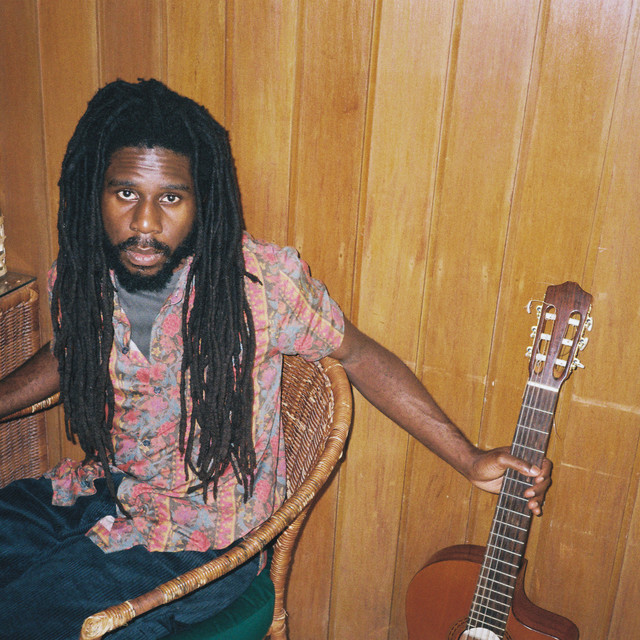
Chronixx
Lovers Rock
Roots Reggae
Ragga
3
/5
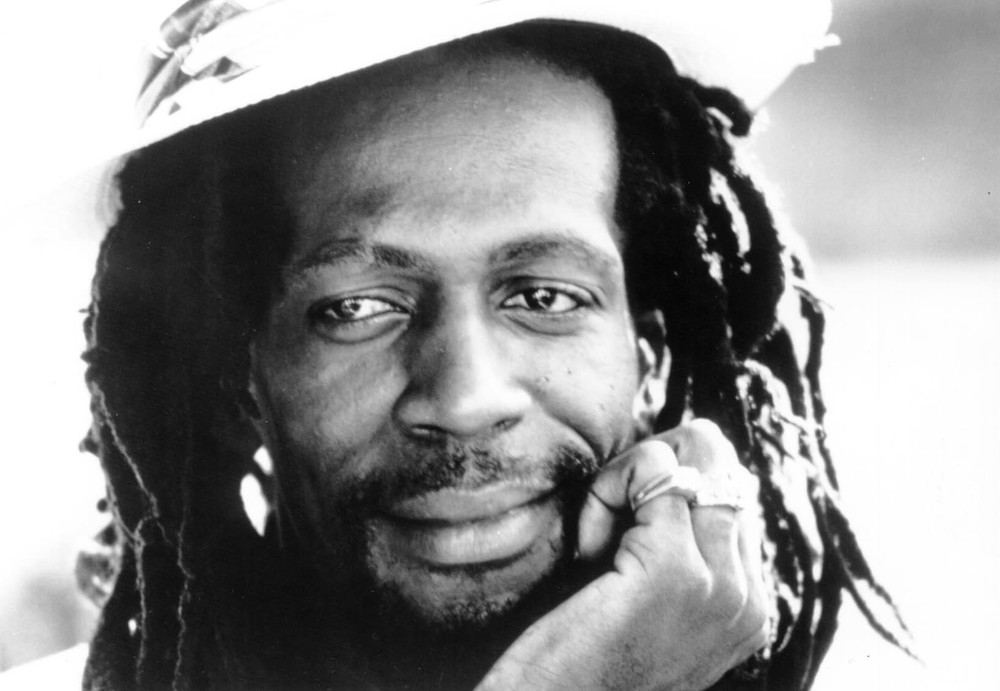
Gregory Isaacs
Lovers Rock
Rocksteady
Dub
3
/5
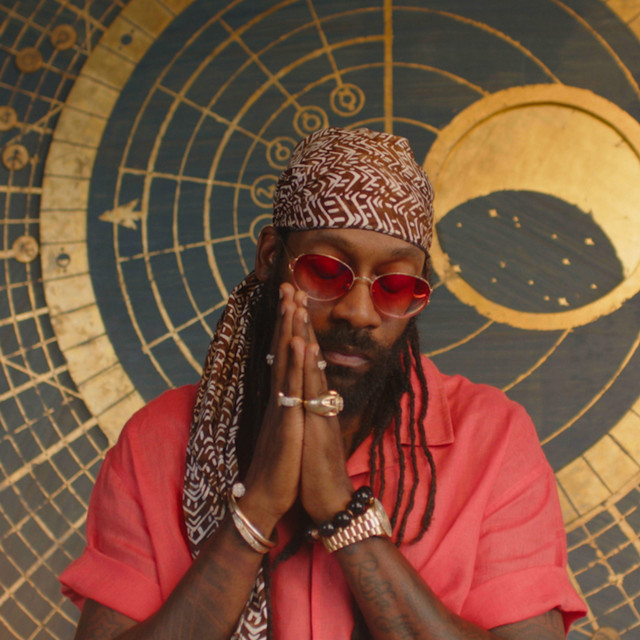
Tarrus Riley
Lovers Rock
Roots Reggae
Dancehall
3
/5
Dennis Brown
Rocksteady
Lovers Rock
Dub
3
/5
Sugar Minott
Lovers Rock
Rocksteady
Roots Reggae
4
/5
Horace Andy
Dub
Lovers Rock
Reggae
3
/5
Barrington Levy
Dancehall
Reggae
Roots Reggae
3
/5
Sizzla
Ragga
Dancehall
Lovers Rock
3
/5
Capleton
Ragga
Dancehall
Lovers Rock
Download our mobile app
Get the Melodigging app and start digging for new genres on the go
Download on the App Store
Get it on Google Play
© 2026 Melodigging
Give feedback
Legal
Melodding was created as a tribute to
Every Noise at Once
, which inspired us to help curious minds keep digging into music's ever-evolving genres.