Genres
Artists
Albums
Make Music
Sign in
Sign in
Artists
Egg Punk
Artists
Egg Punk
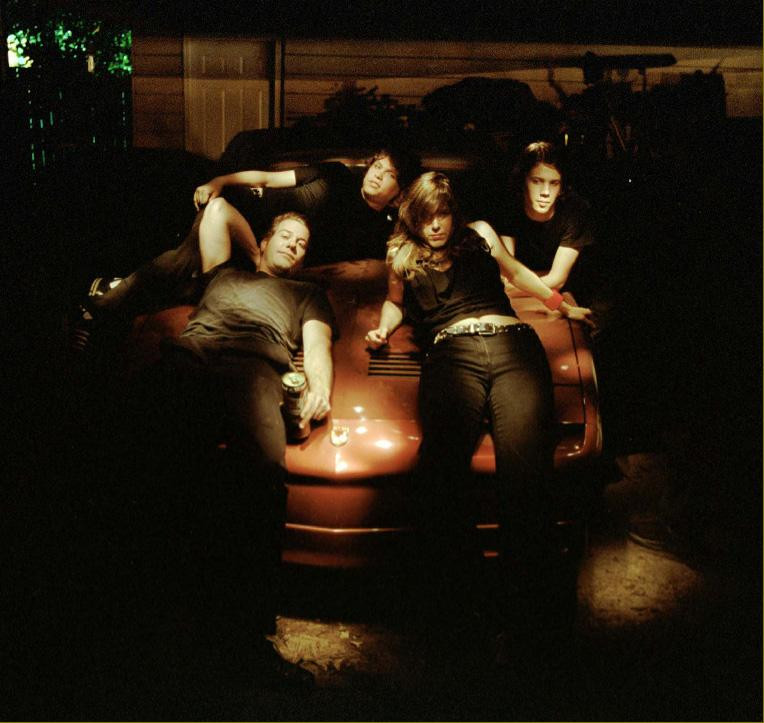
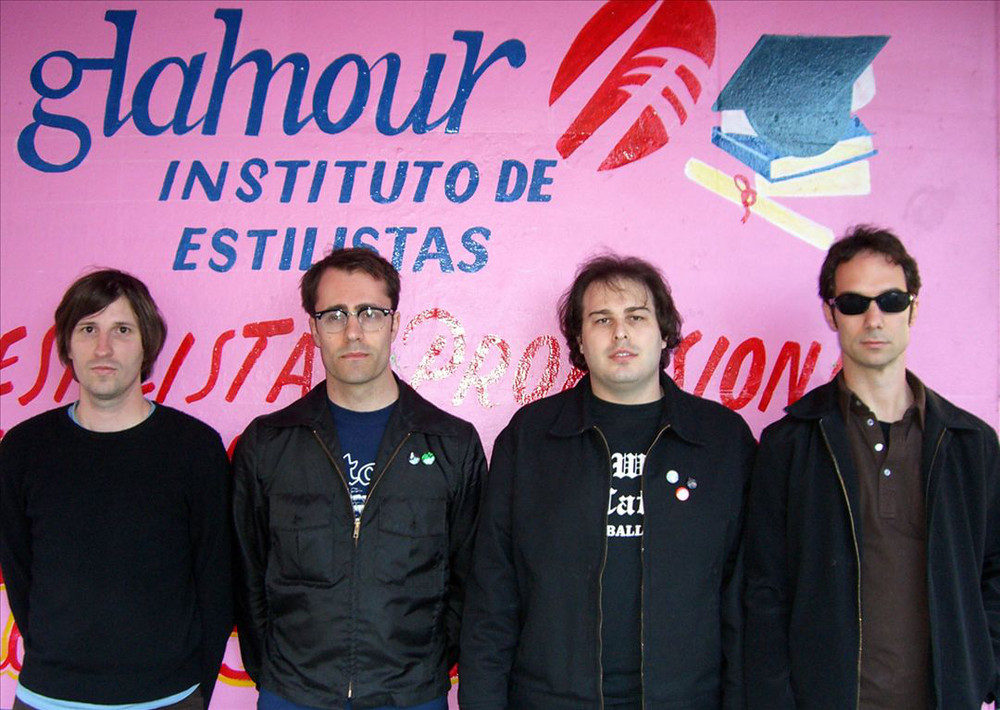
Lost Sounds
2002–2004
·
2 albums
Listen
1
/5
Genres
Egg Punk
Egg punk is a lo‑fi, synth‑laced, jittery offshoot of punk that embraces awkwardness, absurdist humor, and devolved futurism. It tends to favor short, tightly wound songs driven by springy bass, trebly guitars, cheap drum machines, and buzzing monosynths, with nasal or deadpan vocals. The sound references first‑wave new wave and Devo‑style art punk as much as it does budget garage punk, swapping macho toughness for geeky, rubbery energy. Releases are typically DIY—4‑track or cassette‑recorded—and circulate through small labels, Bandcamp, and tape trades.
Discover
Listen
Noise Rock
Noise rock is a subgenre of rock that deliberately embraces distortion, feedback, dissonance, and abrasive textures as primary musical materials rather than mere effects. It prioritizes timbre, volume, and sonic density over conventional melody and harmony, often using nonstandard tunings, prepared or detuned guitars, and extended techniques to generate harsh overtones and sheets of sound. Rhythm sections tend to be driving and repetitive, anchoring the chaos with motorik pulses, lurching grooves, or pummeling, minimal patterns. Vocals range from spoken and murmured to shouted and cathartic, with lyrics that skew cryptic, confrontational, or surreal. Aesthetically, noise rock traces a line from punk’s anti-virtuosity and DIY ethos through no wave’s iconoclasm and the avant-garde’s interest in sound-as-sound, yielding music that can be physically intense, psychologically unsettling, and artistically exploratory.
Discover
Listen
Indie Rock
Indie rock is a subgenre of rock and a branch of alternative rock that coalesced in the early–mid 1980s around independent labels and DIY practices in the United Kingdom, the United States, and New Zealand. Defined less by a single sound than by an ethos, indie rock favors non‑mainstream approaches, self‑recording and small‑label distribution, and an interest in pop‑informed melody and eclectic experimentation. Hallmarks include jangly or fuzzed guitars, intimate or deadpan vocals, off‑kilter song structures, and production that often preserves a raw, “authentic” feel rather than glossy studio polish.
Discover
Listen
Electropunk
Electropunk fuses the confrontational energy and DIY ethos of punk with the timbres and machinery of electronic music. Instead of guitars and live drums, it leans on aggressive synthesizers, drum machines, samplers, and effects, delivering short, high-impact songs with shouted or sneered vocals. The sound is raw, minimal, and often deliberately abrasive: distorted basslines, square- and saw-tooth leads, clipped claps and snares, and overdriven mixes that prize attitude over polish. Tempos typically range from mid-tempo stomp to frenetic club pace, and arrangements favor tight verse–chorus forms, sudden breaks, and noise-washed codas. The aesthetics are anti-virtuosic, performance-art friendly, and intensely physical—made to be felt as much as heard.
Discover
Listen
Synth Punk
Synth punk is a raw, high‑energy fusion of punk’s velocity and attitude with the abrasive, synthetic timbres of analog keyboards, drum machines, and noise gear. Instead of guitar-driven riffs, synth punk typically foregrounds distorted monosynth bass lines, cheap combo organs, or primitive sequencers pounding out repetitive patterns at punk tempos. Vocals are often shouted, sneered, or delivered deadpan; lyrics skewer consumer culture, media saturation, technology, and urban alienation. Production values tend toward the minimal and DIY: overdriven inputs, tape saturation, room mics, and purposeful crudity. The result is a confrontational, mechanical churn—danceable yet hostile—that helped open a direct line between punk, early industrial, and later synth-oriented underground scenes.
Discover
Listen
Punk
Punk is a fast, abrasive, and minimalist form of rock music built around short songs, stripped-down instrumentation, and confrontational, anti-establishment lyrics. It emphasizes DIY ethics, raw energy, and immediacy over virtuosity, often featuring distorted guitars, shouted or sneered vocals, and simple, catchy melodies. Typical songs run 1–3 minutes, sit around 140–200 BPM, use power chords and basic progressions (often I–IV–V), and favor live, unpolished production. Beyond sound, punk is a cultural movement encompassing zines, independent labels, political activism, and a fashion vocabulary of ripped clothes, leather, and safety pins.
Discover
Listen
Garage Punk
Garage punk is a raw, high-energy strain of rock that fuses the primitive drive of mid‑1960s American garage bands with the speed, sneer, and DIY ethos later associated with punk. It favors overdriven guitars (often drenched in fuzz and spring reverb), stomping backbeats, shouted or snotty vocals, and two- or three-chord riffs recorded with intentionally lo‑fi, live-in-the-room immediacy. Organ stabs, handclaps, and tambourines are common textural touches, while lyrics lean toward teenage frustration, lust, menace, and mischief. Songs are short, hooky, and explosive—more about attitude and impact than polish—making garage punk a perennial engine for underground rock scenes.
Discover
Listen
Garage Rock
Garage rock is a raw, energetic style of rock music that emerged in the mid-1960s from local scenes across North America. Typically performed by amateur or semi-professional teenage bands in basements and suburban garages, the sound is unpolished and immediate, favoring feel over finesse. Its hallmarks include distorted guitars, pounding drums, simple chord progressions (often I–IV–V), prominent Farfisa/Vox organ riffs, and shouted, attitude-heavy vocals. Songs are short, hooky, and driven by rhythmic urgency, with lyrics about teenage love, boredom, rebellion, and swagger. The style became a direct ancestor of proto-punk and punk rock, prized for its do-it-yourself spirit and visceral impact.
Discover
Listen
Rock
Rock is a broad family of popular music centered on amplified instruments, a strong backbeat, and song forms that foreground riffs, choruses, and anthemic hooks. Emerging from mid‑20th‑century American styles like rhythm & blues, country, and gospel-inflected rock and roll, rock quickly expanded in scope—absorbing folk, blues, and psychedelic ideas—while shaping global youth culture. Core sonic markers include electric guitar (often overdriven), electric bass, drum kit emphasizing beats 2 and 4, and emotive lead vocals. Rock songs commonly use verse–chorus structures, blues-derived harmony, and memorable melodic motifs, ranging from intimate ballads to high‑energy, stadium‑sized performances.
Discover
Listen
Show all 9 genres
Albums
2004
2
/5
Lost Sounds
Lost Sounds
Synth Punk
Electropunk
Indie Rock
2002
1
/5
Rat's Brains and Microchips
Lost Sounds
Electropunk
Synth Punk
Similar artists
2
/5
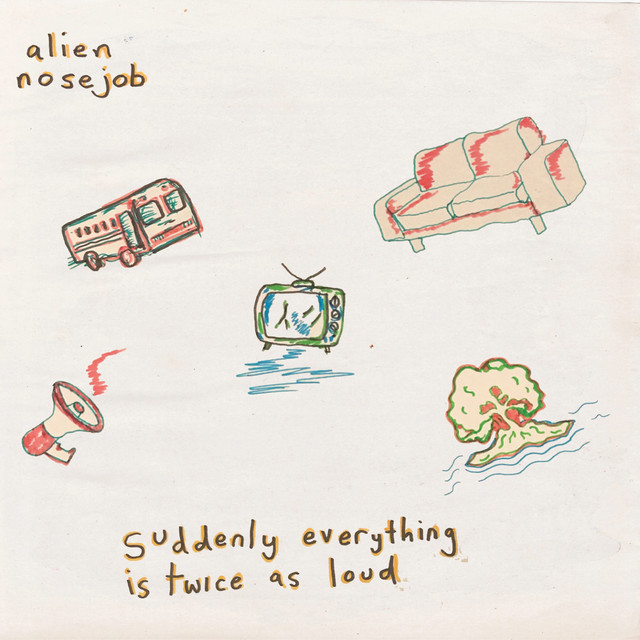
Alien Nosejob
Garage Punk
Punk
Egg Punk
2
/5
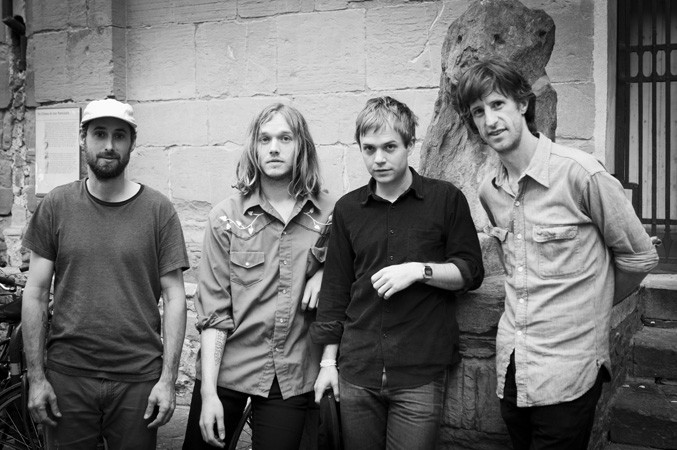
Flat Worms
Egg Punk
Garage Rock
Noise Rock
2
/5
The Marked Men
Egg Punk
Garage Punk
Garage Rock
1
/5
Gøggs
Egg Punk
Garage Rock
Noise Rock
1
/5
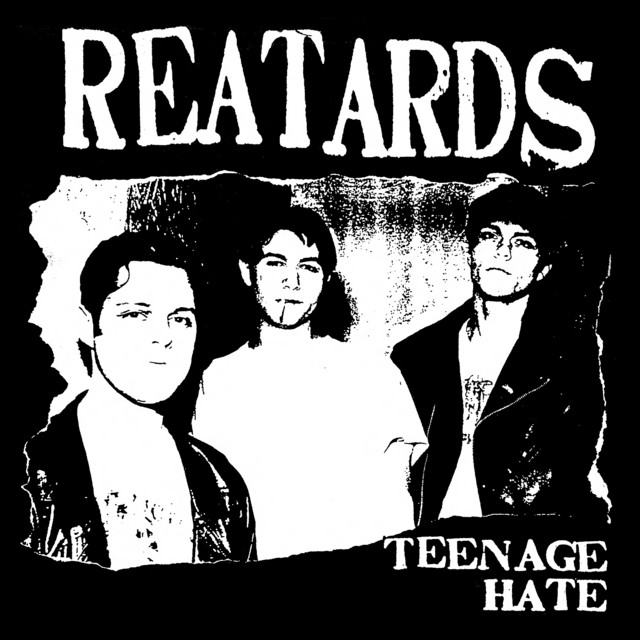
Reatards
Garage Punk
Garage Rock
Punk
1
/5
Sic Alps
Egg Punk
Garage Rock
Noise Rock
1
/5
The Intelligence
Garage Rock
Shitgaze
Egg Punk
1
/5
Tyvek
Egg Punk
Garage Rock
Noise Rock
1
/5
YOBS
Egg Punk
Garage Rock
Noise Rock
3
/5
Thee Oh Sees
Garage Rock
Garage Psych
Rock
Download our mobile app
Get the Melodigging app and start digging for new genres on the go
Download on the App Store
Get it on Google Play
© 2026 Melodigging
Give feedback
Legal
Melodding was created as a tribute to
Every Noise at Once
, which inspired us to help curious minds keep digging into music's ever-evolving genres.