Genres
Artists
Albums
Make Music
Sign in
Sign in
Artists
Chicha
Artists
Chicha
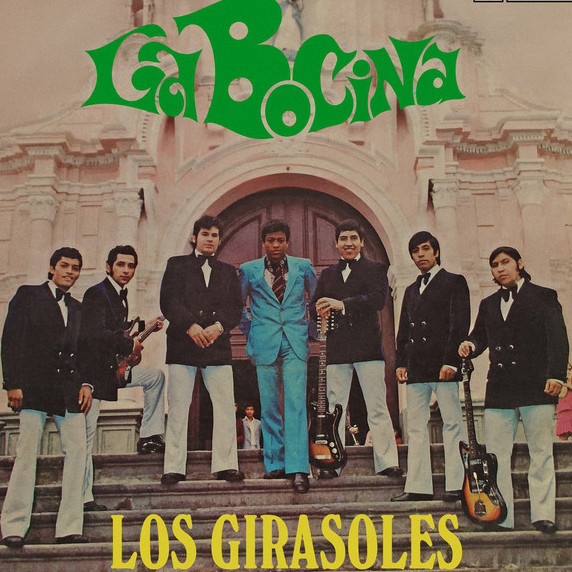
Los Girasoles
Listen
1
/5
Genres
Chicha
Chicha is a Peruvian branch of cumbia that crystallized in urban migrant neighborhoods during the late 1960s and 1970s. It fuses Colombian cumbia rhythms with Andean huayno melodies, played on electric guitars that carry surf- and psychedelic-rock inflections. The style is defined by bright, reverb-soaked lead guitar lines in pentatonic (often Andean) motifs, Farfisa- or Hammond-type organs doubling riffs, and a steady cumbia groove driven by drum kit, güiro, and congas. Lyrics frequently reflect internal migration, working-class life, love, longing, and the bittersweet experience of cultural hybridity in Lima and other Peruvian cities. Chicha is sometimes called cumbia peruana (though that umbrella also includes Amazonian cumbia). Its imagery and street-poster aesthetics—neon colors and bold typography—became synonymous with the sound’s vibrant, grassroots identity.
Discover
Listen
Tropical Music
Tropical music (música tropical) is an umbrella for dance-oriented Afro-Caribbean and coastal Latin American styles that were popularized across the Spanish-speaking world in the mid‑20th century. It blends African-derived polyrhythms and percussion with horn-led orchestras, call-and-response vocals, and catchy, romantic choruses. Typical repertoires mix cumbia, porro, merecumbé, son, mambo, merengue, pachanga, bolero, and related rhythms, presented by big bands or compact combos aimed squarely at social dancing. Beyond a single beat or tempo, the hallmark is a bright, syncopated groove (often organized around the clave), tumbao bass lines, montuno piano patterns, and sectional brass “mambos.” Over time, tropical music absorbed electric instruments and studio production while keeping its festive, coastal character.
Discover
Listen
Cumbia
Cumbia is a syncretic dance-music tradition from Colombia’s Caribbean coast that blends African rhythmic heritage, Indigenous (especially gaita flute) melodic practice, and Spanish colonial instrumentation and forms. Traditionally performed in a moderate 2/4 (often felt in 4/4 today), it features interlocking hand-drum parts (tambora, alegre, llamador), guacharaca or maracas for steady texture, and long cane flutes (gaita hembra and gaita macho) carrying call-and-response melodies. As it spread in the 20th century, orchestras and dance bands added accordion, horns, piano, bass, and later electric guitar and synthesizers, creating urban and pan–Latin American variants. Harmonically simple and rhythm-forward, cumbia places groove, ostinati, and vocal refrains at the center, making it both ceremonial in origin and enduringly popular on social dance floors across the Americas.
Discover
Listen
Guaracha
Guaracha is a fast‑paced Cuban song–dance genre known for witty, satirical, and often picaresque lyrics delivered over a driving Afro‑Cuban groove. It typically uses the son clave (in 2–3 or 3–2 orientation), call‑and‑response coros, and a lively montuno section that invites dance and audience participation. Originally tied to popular and comic theater, guaracha later became a staple of Cuban conjuntos and charangas, and it survives in the salsa repertoire as a label for brisk, upbeat numbers. Instrumentation commonly includes voice(s), guitar or tres, bass, bongó, maracas, claves, and often trumpets or charanga flute/violins. Harmonies are straightforward and bright (major keys, I–IV–V with frequent secondary dominants), while the rhythmic feel is relentlessly syncopated and festive. The term should not be confused with modern "guaracha edm" (a separate, contemporary club style); historical Cuban guaracha is a distinct traditional genre with roots in 19th‑century Havana and theatrical culture.
Discover
Listen
Huayno
Huayno (Quechua: waynu/wayno) is a traditional Andean music and dance style that took modern shape in the Peruvian highlands and spread across Bolivia and Ecuador. It is marked by brisk duple-meter rhythms with a strong downbeat, bright pentatonic melodies, and emotive vocals often sung in Quechua and Spanish. Typical ensembles feature charango and guitar strumming patterns, soaring quena (Andean flute) and siku (panpipes), lyrical violin or harp lines, and driving bombo or wankara drum pulses. The dance uses lively stomping steps and turns, reflecting festive community gatherings, courtship, and rural life. Regional variants include the fast, celebratory Huaylas (central highlands), the yaraví-inflected, tender huayno ayacuchano (Ayacucho), and the panpipe- and charango-rich wayno sureño (Cusco–Puno). Lyrical themes span love and longing, migration, indigenous pride, and everyday joys and hardships.
Discover
Listen
Similar artists
3
/5
Amor Paisano
Chicha
Cumbia
Huayno
3
/5
Grupo Génesis
Chicha
Cumbia
Huayno
3
/5
Cuarteto Continental de Alberto Maraví
Chicha
Cumbia
Cumbia Sonidera
3
/5
Grupo Alegría
Chicha
Cumbia
Huayno
3
/5
Deleites Andinos
Chicha
Cumbia
Cumbia Norteña Mexicana
2
/5
Los Ribereños
Chicha
Cumbia
Guaracha
2
/5
Calixto Ochoa y Su Conjunto
Chicha
Cumbia
Guaracha
4
/5
Corazón Serrano
Chicha
Huayno
Cumbia
4
/5
Grupo 5
Chicha
Huayno
Cumbia Norteña Peruana
4
/5
Agua Marina
Cumbia Peruana
Chicha
Huayno
Download our mobile app
Get the Melodigging app and start digging for new genres on the go
Download on the App Store
Get it on Google Play
© 2026 Melodigging
Give feedback
Legal
Melodding was created as a tribute to
Every Noise at Once
, which inspired us to help curious minds keep digging into music's ever-evolving genres.