Genres
Artists
Albums
Make Music
Sign in
Sign in
Artists
Enka
Artists
Enka
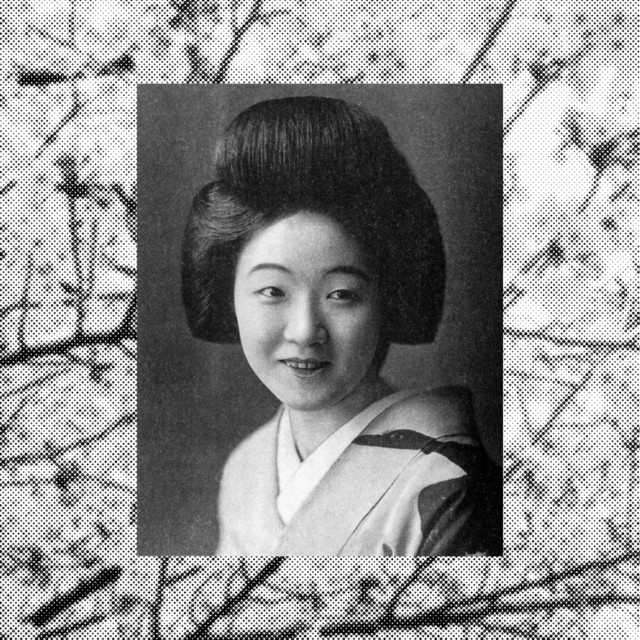
Kouta Katsutaro
Listen
1
/5
Genres
J-Dance
J‑dance is a Japanese strand of dance‑pop that fuses Western club styles with the songwriting, melodies, and production aesthetics of J‑pop. It emphasizes hook‑forward choruses, choreographable grooves, and glossy, radio‑ready arrangements built for both clubs and television variety shows. The sound draws heavily from Eurobeat, house, and new jack swing, later absorbing techno, electropop, and trance elements during the late 1990s and 2000s. Catchy English taglines, key‑modulated finales, and tightly structured A‑melody/B‑melody → pre‑chorus → chorus forms are common signatures.
Discover
Listen
Enka
Enka is a Japanese popular song style known for its sentimental ballads, expressive vocals with wide vibrato, and dramatic, narrative delivery. It evokes nostalgia for hometowns, bygone eras, and lost love, often painting scenes of coastal ports, country roads, and seasonal landscapes. Musically, enka blends Western harmonic frameworks with Japanese melodic sensibilities. Melodies often use yonanuki (four-note-omission) major or minor pentatonic variants, creating a “traditional” Japanese color over simple, diatonic progressions. Arrangements favor lush strings, reverb-laden guitars, saxophone obbligatos, and occasional traditional timbres (shamisen or shakuhachi) for color. Culturally, enka rose to mass popularity during the postwar Shōwa era and remains tied to television variety shows, karaoke bars, and live theater venues. Its performance practice foregrounds pathos, rubato phrasing, and ornamental turns called kobushi.
Discover
Listen
Ryūkōka
Ryūkōka is an early form of Japanese popular music that, in today’s usage, refers to the mainstream and semi-classical "pop" songs recorded and broadcast from the late 1920s through the early 1960s. While the word once broadly meant "fashionable/popular song" (a sinic reading related to hayariuta) with roots stretching back to premodern popular genres, the modern sense denotes a Showa-era repertoire that blends Japanese melodic sensibilities with Western classical harmony, dance rhythms (waltz, foxtrot, tango), and jazz-era orchestrations. Vocals in archetypal ryūkōka favor a smooth legato line rather than the wide, sobbing kobushi ornaments that later came to typify enka. Ryūkōka’s studio and radio-driven idiom provided the foundation from which postwar Japanese popular music diverged: one current moving toward enka and another toward poppusu/kayōkyoku, setting the stage for later J‑pop.
Discover
Listen
Japanese Classical
Japanese classical refers to the courtly, religious, theatrical, and chamber traditions that crystallized in Japan from the Nara and Heian periods onward. It encompasses Gagaku (imperial court music), Shinto ritual music (kagura), Buddhist chant (shōmyō), Noh and Kabuki repertories (e.g., nagauta, jōruri), and chamber music for koto, shamisen, and shakuhachi (sankyoku). The style emphasizes modal color (ryō and ritsu modes, along with later in/yo pentatonic variants), the dramatic architecture of jo–ha–kyū (slow introduction, development, swift conclusion), and the aesthetic of ma (meaningful silence/space). Textures are often heterophonic or layered, timbres are cultivated for breathy, reedy, and bell-like colors (e.g., shō, hichiriki, ryūteki), and rhythm can range from free-flowing chant to stately ceremonial cycles. The result is a contemplative yet ceremonially powerful sound world distinct from Western common-practice tonality.
Discover
Listen
Similar artists
1
/5
京極加津恵
Enka
J-Dance
Japanese Classical
2
/5
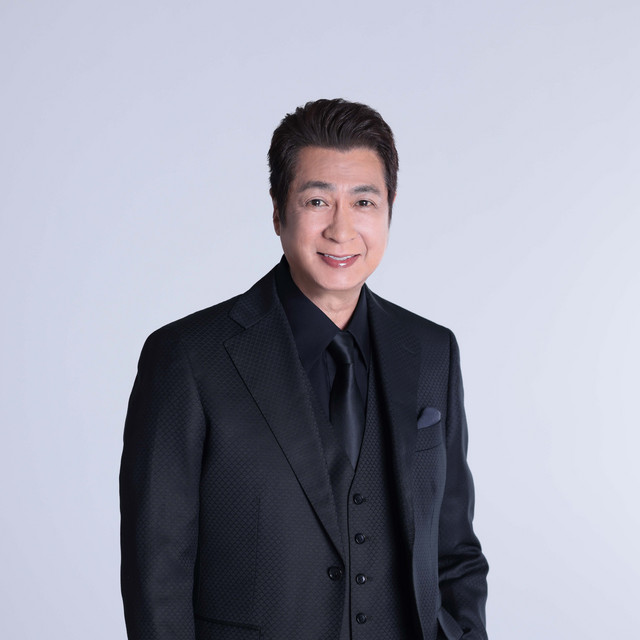
Yutaka Yamakawa
Enka
Japanese Classical
2
/5
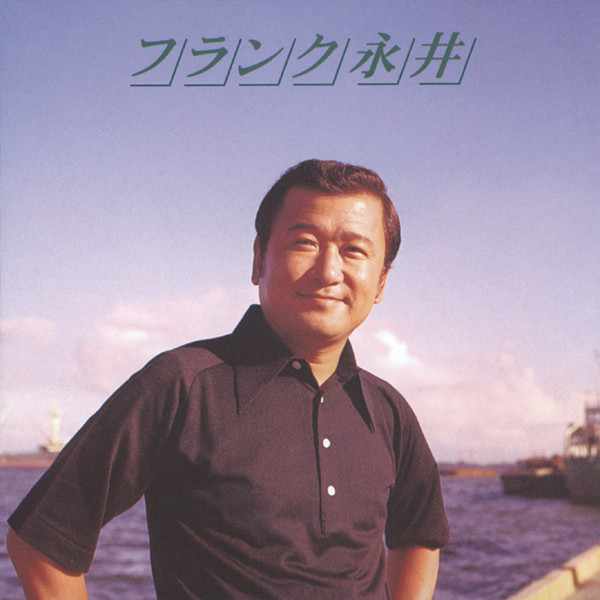
Frank Nagai
Ryūkōka
Mood Kayō
Enka
2
/5
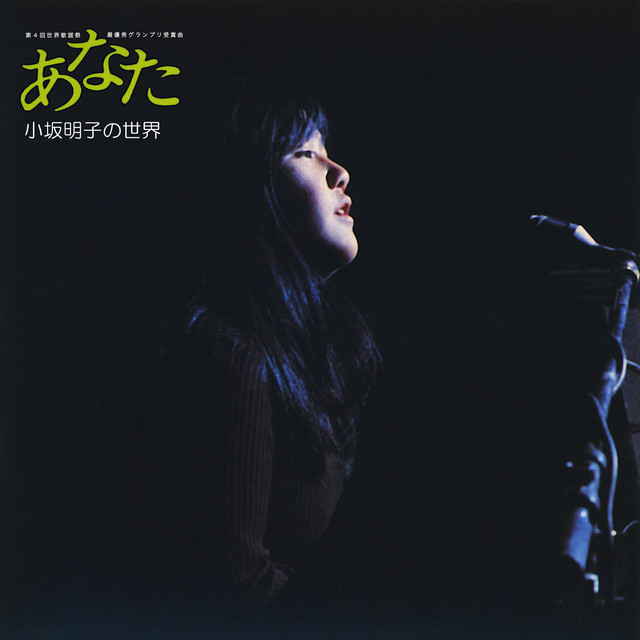
Akiko Kosaka
Enka
Japanese Classical
2
/5
Aiko Moriyama
Enka
Japanese Classical
Kayōkyoku
2
/5
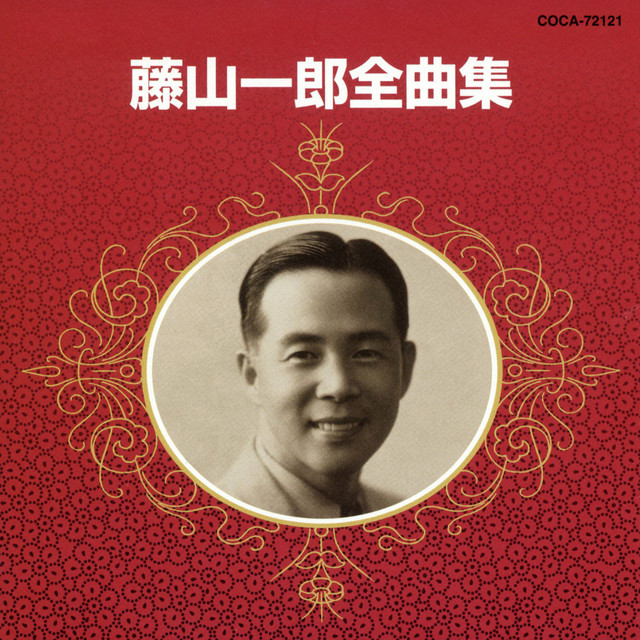
Fujiyama Ichiro
Ryūkōka
Enka
2
/5
Seijin Noborikawa
Enka
Japanese Classical
Japanese Folk Music
2
/5
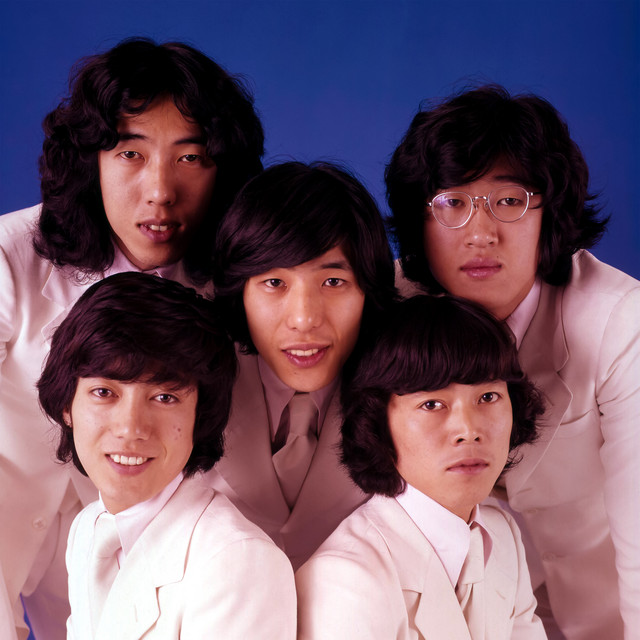
ザ・タイガース
Group Sounds
Enka
Japanese Classical
1
/5
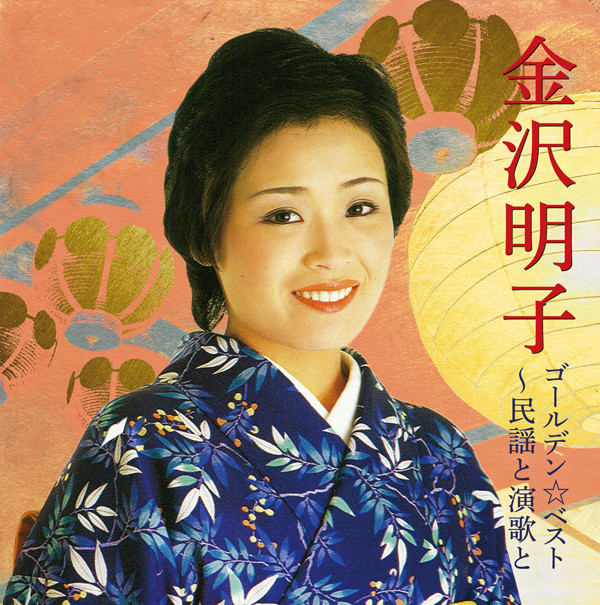
Akiko Kanazawa
Enka
Japanese Classical
Kayōkyoku
1
/5
東海林太郎
Enka
Ryūkōka
Download our mobile app
Get the Melodigging app and start digging for new genres on the go
Download on the App Store
Get it on Google Play
© 2026 Melodigging
Give feedback
Legal
Melodding was created as a tribute to
Every Noise at Once
, which inspired us to help curious minds keep digging into music's ever-evolving genres.