Genres
Artists
Albums
Make Music
Sign in
Sign in
Artists
Chamamé
Artists
Chamamé
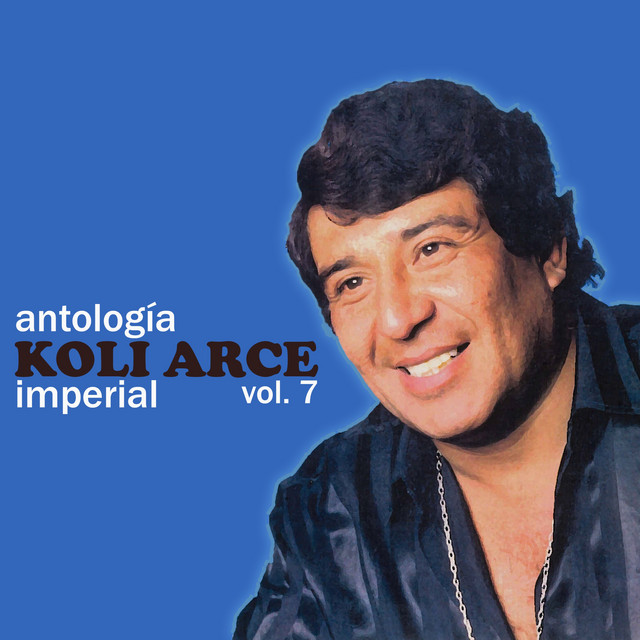
Koli Arce Y Su Quinteto Imperial
Listen
3
/5
Genres
Guaracha Santiagueña
Guaracha santiagueña is a fast, upbeat, and highly danceable popular-folk style from Santiago del Estero, Argentina. As its name suggests, it adapts the party spirit and brisk pace associated with Caribbean guaracha to the local sound world of northern Argentine folklore. Musically, it fuses the hemiola-rich pulse and rustic drive of the chacarera with the accordion-forward swing and cadential turns of chamamé, often at a brisk tempo that encourages communal dancing. Typical ensembles feature accordion, guitars (criolla and/or electric), electric bass, and regional percussion (especially bombo legüero), with call-and-response coros and catchy refrains. Lyrically it leans toward costumbrista themes, romance, picaresque humor, and proud references to santiagueño identity.
Discover
Listen
Cuarteto
Cuarteto is a high-energy dance music from Córdoba, Argentina, built on a brisk duple-meter "tunga-tunga" groove that emphasizes a driving bass-and-chord pattern. Its core instrumentation historically featured a quartet—piano, accordion, violin, and bass—from which the style takes its name. Over time, drum kit, congas/timbales, and synthesizers expanded its sonic palette, while the piano’s left-hand ostinato and buoyant bass line remained central. Characterized by catchy melodies, simple diatonic harmonies, and verse–chorus forms designed for continuous dancing, cuarteto’s lyrics typically revolve around romance, nightlife, working-class pride, and Cordobés slang and humor.
Discover
Listen
Chamamé
Chamamé is a traditional dance-music style from Argentina’s Litoral region (especially the province of Corrientes) characterized by a flowing 6/8–3/4 sesquiáltera feel, expressive accordion or bandoneón melodies, and guitars providing rhythmic and harmonic support. It is music for dancing in couples, with a swaying, gliding motion that mirrors the riverine landscapes of the Paraná and Uruguay rivers. The genre blends European social-dance influences (polka, schottische, mazurka, waltz) with Indigenous Guaraní aesthetics and language, often featuring the sapukai—a celebratory shout—within performances. Lyrically, chamamé is typically nostalgic and pastoral, evoking love, family, migration, and the natural environment, and it frequently mixes Spanish with Guaraní vocabulary.
Discover
Listen
Cumbia
Cumbia is a syncretic dance-music tradition from Colombia’s Caribbean coast that blends African rhythmic heritage, Indigenous (especially gaita flute) melodic practice, and Spanish colonial instrumentation and forms. Traditionally performed in a moderate 2/4 (often felt in 4/4 today), it features interlocking hand-drum parts (tambora, alegre, llamador), guacharaca or maracas for steady texture, and long cane flutes (gaita hembra and gaita macho) carrying call-and-response melodies. As it spread in the 20th century, orchestras and dance bands added accordion, horns, piano, bass, and later electric guitar and synthesizers, creating urban and pan–Latin American variants. Harmonically simple and rhythm-forward, cumbia places groove, ostinati, and vocal refrains at the center, making it both ceremonial in origin and enduringly popular on social dance floors across the Americas.
Discover
Listen
Guaracha
Guaracha is a fast‑paced Cuban song–dance genre known for witty, satirical, and often picaresque lyrics delivered over a driving Afro‑Cuban groove. It typically uses the son clave (in 2–3 or 3–2 orientation), call‑and‑response coros, and a lively montuno section that invites dance and audience participation. Originally tied to popular and comic theater, guaracha later became a staple of Cuban conjuntos and charangas, and it survives in the salsa repertoire as a label for brisk, upbeat numbers. Instrumentation commonly includes voice(s), guitar or tres, bass, bongó, maracas, claves, and often trumpets or charanga flute/violins. Harmonies are straightforward and bright (major keys, I–IV–V with frequent secondary dominants), while the rhythmic feel is relentlessly syncopated and festive. The term should not be confused with modern "guaracha edm" (a separate, contemporary club style); historical Cuban guaracha is a distinct traditional genre with roots in 19th‑century Havana and theatrical culture.
Discover
Listen
Similar artists
3
/5
Super Quinteto
Chamamé
Cuarteto
Cumbia
3
/5
Quinteto Imperial
Guaracha Santiagueña
Chamamé
Cuarteto
3
/5
Sin Miedo
Cuarteto
Cumbia
Cumbia Norteña Mexicana
2
/5
Los Bonys
Chamamé
Cuarteto
Guaracha
2
/5
Kalama Tropical
Chamamé
Cuarteto
Guaracha
3
/5
La Nueva Luna
Chamamé
Cuarteto
Cumbia
3
/5
Lucas Sugo
Chamamé
Cuarteto
Cumbia
3
/5
Santiago Cañete
Folklore Argentino
Chamamé
Cuarteto
3
/5
SONLATINO
Guaracha Santiagueña
Cumbia
Cumbia Sonidera
3
/5
Delirio Mix
Techengue
Turreo
Cuarteto
Download our mobile app
Get the Melodigging app and start digging for new genres on the go
Download on the App Store
Get it on Google Play
© 2026 Melodigging
Give feedback
Legal
Melodding was created as a tribute to
Every Noise at Once
, which inspired us to help curious minds keep digging into music's ever-evolving genres.