Your digging level
Description
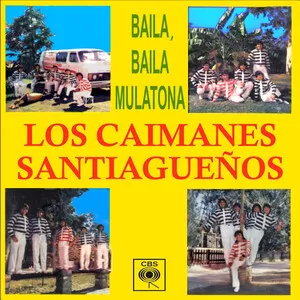
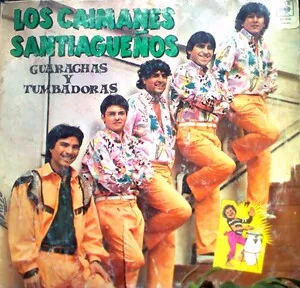
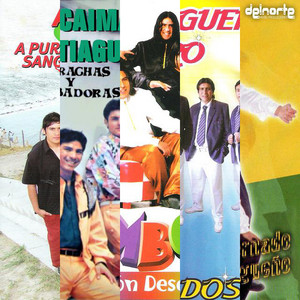
Guaracha santiagueña is a fast, upbeat, and highly danceable popular-folk style from Santiago del Estero, Argentina. As its name suggests, it adapts the party spirit and brisk pace associated with Caribbean guaracha to the local sound world of northern Argentine folklore.
Musically, it fuses the hemiola-rich pulse and rustic drive of the chacarera with the accordion-forward swing and cadential turns of chamamé, often at a brisk tempo that encourages communal dancing. Typical ensembles feature accordion, guitars (criolla and/or electric), electric bass, and regional percussion (especially bombo legüero), with call-and-response coros and catchy refrains. Lyrically it leans toward costumbrista themes, romance, picaresque humor, and proud references to santiagueño identity.
History
Santiago del Estero is one of Argentina’s great folk heartlands. By the mid-20th century, the local dance-music ecosystem around chacarera and zamba began to absorb neighboring currents: chamamé from the Litoral region (with its distinctive accordion style and lilting compound meter) and the party ethos associated with Caribbean guaracha. In neighborhood peñas, town fiestas, and rural celebrations, bands experimented with faster tempi, bright accordion hooks, and a more extroverted vocal delivery—coalescing into what came to be called guaracha santiagueña.
Through the 1970s and 1980s the style spread from local dancehalls and radios to regional circuits, where compact ensembles could ignite crowds with driving bombo legüero patterns, strummed guitars, and buoyant accordion riffs. Refrain-based songwriting and call-and-response choruses—well suited to participatory dancing—helped standardize the style’s formal language. Independent cassette culture and local radio support were crucial in circulating repertoire across the province and into neighboring regions.
In the 2000s a new generation of bands revitalized guaracha santiagueña with tighter rhythm-section work, pop-informed hooks, and modern production, while preserving its core: brisk grooves, rustic timbre, and dance-led performance. Today it sits comfortably alongside other Argentine popular-folk currents, appears at regional festivals, and continues to inform hybrid projects in the broader umbrella of nuevo folklore argentino.