Genres
Artists
Albums
Make Music
Sign in
Sign in
Artists
Rock And Roll
Artists
Rock And Roll
Hurriganes
1974
·
1 album
Listen
2
/5
Genres
Dansband
Dansband (dansbandsmusik) is a Scandinavian popular dance-music style that grew out of Sweden’s folkpark dance culture in the late 1960s and flourished through the 1970s. It blends schlager’s catchy melodies, country’s twang and storytelling, and rock ’n’ roll’s steady backbeat into a polished, dance-first sound. Songs are mid-tempo, diatonic, and immediately singable, tailored for partner dances such as foxtrot, bugg (a Swedish jitterbug), and waltz. Typical instrumentation includes electric and acoustic guitars, bass, drums, keyboards (piano/organ/synths), saxophone, and sometimes pedal steel or accordion. Lyrics—most often in Swedish—focus on love, nostalgia, and everyday life. The genre remains a staple of Nordic social dance scenes, with a strong tradition of touring bands playing ballrooms, folkparks, and dance pavilions, and a repertoire mixing originals with Swedish-language covers of international hits.
Discover
Listen
Finnish Pop
Finnish pop (often called Suomipop) is mainstream popular music created by Finnish artists, typically sung in Finnish and tailored to local sensibilities and radio formats. It blends international pop songcraft—catchy hooks, verse–pre‑chorus–chorus structures, and polished production—with the melodicism and direct emotional delivery inherited from iskelmä (Finnish schlager). Since the 1980s, synthesizers and drum machines have been common, while the 1990s–2000s brought dance‑pop and eurodance colors; the 2010s–2020s era embraces contemporary electropop, R&B inflections, and streaming‑friendly arrangements. Lyrically, Finnish pop often focuses on love, everyday life, and bittersweet introspection, balancing upbeat, anthemic choruses with a distinctly Nordic, sometimes melancholic tone.
Discover
Listen
Finnish Rock
Finnish rock (often called “suomirock”) is a broad umbrella for rock music made in Finland, notable for its melodic guitar work, singable choruses, and a lyrical bent that mixes everyday realism, irony, and Nordic melancholy. It grew out of 1960s beat, rock and roll, and rautalanka (a local, twangy instrumental rock), then absorbed punk and new wave energy in the late 1970s, and hard rock and glam sheen in the 1980s. Many of its flagship acts chose to sing in Finnish, establishing a distinctive identity separate from Anglo-American rock. Across decades, the sound ranges from high-octane boogie and rockabilly inflections (Hurriganes) to glam-infused hard rock (Hanoi Rocks), anthemic mainstream rock (Eppu Normaali, Popeda), and more alternative or art-minded currents (Sielun Veljet, CMX).
Discover
Listen
Roots Rock
Roots rock is a back-to-basics strain of rock music that reconnects the electric band format with its foundational American roots in blues, country, folk, rhythm & blues, and early rock and roll. It favors sturdy songcraft, earthy timbres, and groove over studio gloss—think twangy or gritty guitars, Hammond organ or piano, a steady backbeat, and plainspoken, story-driven lyrics. The style often carries a "live-in-the-room" feel, medium tempos, and blues-based progressions, evoking bar bands, roadhouses, and rural imagery. Rather than chasing cutting-edge production or virtuosic excess, roots rock emphasizes feel, narrative, and tradition—bridging the immediacy of rock with the storytelling of folk and country and the emotional bite of the blues.
Discover
Listen
Rock And Roll
Rock and roll is a high-energy, dance-oriented popular music style that emerged in the United States in the early-to-mid 1950s. It fuses the 12‑bar blues and boogie‑woogie with the backbeat and instrumentation of rhythm & blues, the twang and storytelling of country, and the fervor of gospel. Its hallmark sound centers on a strong backbeat (accented on beats 2 and 4), driving rhythm sections, electric guitar riffs, prominent piano or saxophone leads, and catchy, chorus-forward songwriting. Typical harmonies revolve around I–IV–V progressions, often in 12-bar form, with swung or shuffle feels and punchy turnarounds. Culturally, rock and roll catalyzed a youth movement linked to dancing, teen identity, and social change. It bridged racial audiences by popularizing Black American musical traditions for mainstream listeners, and it laid the foundation for subsequent rock styles and much of modern pop.
Discover
Listen
Iskelmä
Iskelmä is the Finnish counterpart to continental European schlager: a melody-forward, lyrically clear style of popular song designed for easy listening and social dancing. It blends local dance idioms such as Finnish tango, humppa, and waltz with international traditional pop and chanson, resulting in polished, hook-rich songs with sentimental or romantic themes. Across decades, iskelmä has served as a broad umbrella for Finnish mainstream pop singing, spanning orchestral arrangements, guitar-led ensembles, and, later, synth-enhanced productions—while retaining its emphasis on singable melodies and accessible emotions.
Discover
Listen
Rockabilly
Rockabilly is one of the earliest styles of rock and roll, fusing the twang and storytelling of Southern country ("hillbilly") with the driving backbeat and boogie of rhythm & blues and jump blues. It is marked by slap‑back echo on vocals and guitar, slapping upright bass, twangy hollow‑body electrics, and energetic, danceable grooves. The classic rockabilly sound emerged from mid‑1950s Memphis studios such as Sun Records, where minimal drum kits (or none at all) mixed with percussive bass and bright, overdriven guitars. Songs are typically short, hooky, and built on 12‑bar blues or simple I–IV–V progressions, with lyrics about love, cars, dancing, and youthful rebellion.
Discover
Listen
Rock
Rock is a broad family of popular music centered on amplified instruments, a strong backbeat, and song forms that foreground riffs, choruses, and anthemic hooks. Emerging from mid‑20th‑century American styles like rhythm & blues, country, and gospel-inflected rock and roll, rock quickly expanded in scope—absorbing folk, blues, and psychedelic ideas—while shaping global youth culture. Core sonic markers include electric guitar (often overdriven), electric bass, drum kit emphasizing beats 2 and 4, and emotive lead vocals. Rock songs commonly use verse–chorus structures, blues-derived harmony, and memorable melodic motifs, ranging from intimate ballads to high‑energy, stadium‑sized performances.
Discover
Listen
Show all 8 genres
Albums
1974
1
/5
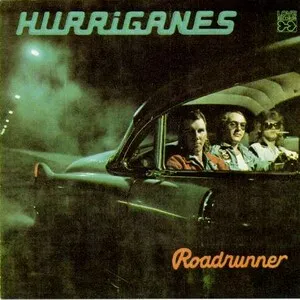
Roadrunner
Hurriganes
Rock And Roll
Similar artists
2
/5
John Lindberg Trio
Psychobilly
Dansband
Rock And Roll
2
/5
The Refreshments
Boogie-Woogie
Dansband
Rock And Roll
2
/5
Matchbox
Boogie-Woogie
Dansband
Psychobilly
2
/5
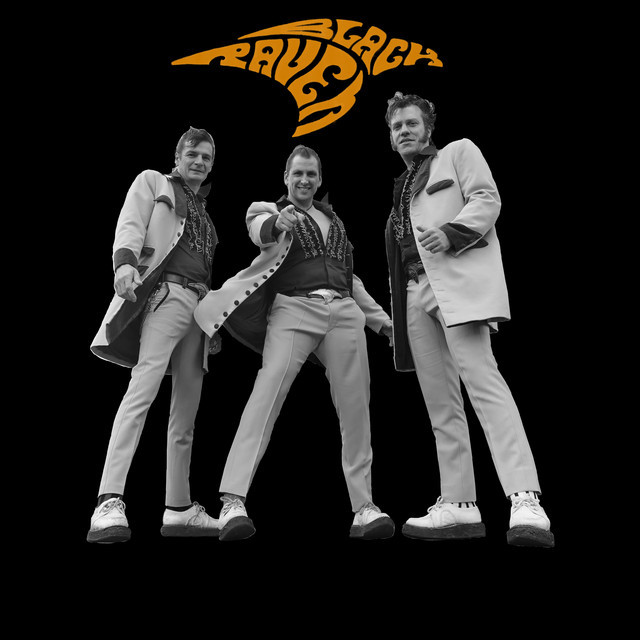
Black Raven
Dansband
Psychobilly
Rock And Roll
2
/5
Sleepy Sleepers
Finnish Pop
Finnish Rock
Iskelmä
2
/5
The Top Cats
Dansband
Psychobilly
Rock And Roll
2
/5
Fancy Dan
Dansband
Psychobilly
Rock And Roll
1
/5
Hank Sundown & The Roaring Cascades
Boogie-Woogie
Dansband
Psychobilly
1
/5
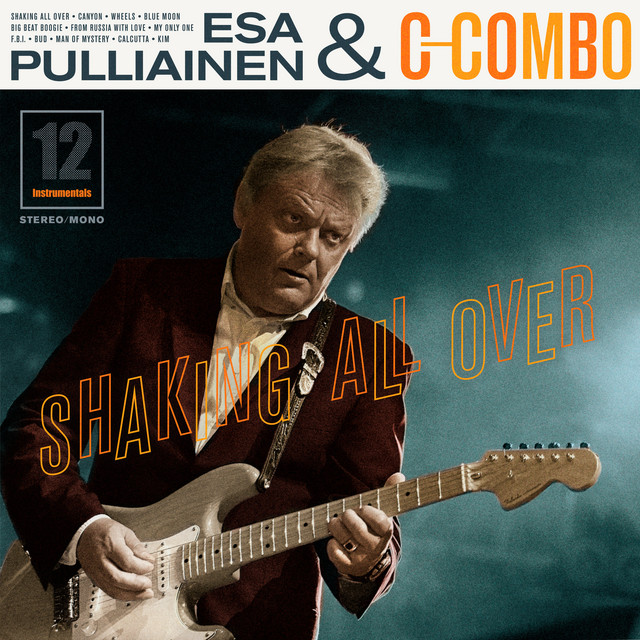
Esa Pulliainen C-Combo
Rautalanka
Finnish Pop
Finnish Rock
1
/5
Guitar Slingers
Finnish Pop
Finnish Rock
Psychobilly
Download our mobile app
Get the Melodigging app and start digging for new genres on the go
Download on the App Store
Get it on Google Play
© 2026 Melodigging
Give feedback
Legal
Melodding was created as a tribute to
Every Noise at Once
, which inspired us to help curious minds keep digging into music's ever-evolving genres.