Genres
Artists
Albums
Make Music
Sign in
Sign in
Artists
Bolero
Artists
Bolero
Hồ Phương Liên
Listen
2
/5
Genres
Traditional Music
Traditional music is an umbrella term used in the mid–20th century by folklorists and ethnomusicologists to denote community-rooted, orally transmitted repertoires tied to social ritual, work, celebration, and storytelling. Unlike commercial pop or art-music traditions, traditional music is typically learned by ear, varies regionally, and evolves slowly through communal participation. It often features modal melodies, cyclic rhythms, heterophony or unison singing, and indigenous instruments whose timbres are integral to local identity. Lyrics tend to preserve language, history, and collective memory. While the musical practices themselves can be ancient, the phrase “traditional music” emerged to replace earlier, narrower or colonial framings like “folk” or “ethnic” music, foregrounding continuity, locality, and living practice rather than exoticism.
Discover
Listen
Vietnamese Bolero
Vietnamese bolero is a localized, Vietnamese-language adaptation of the Latin bolero song form that took root in South Vietnam in the 1950s and blossomed in the 1960s. It preserves the bolero’s slow, swaying pulse while softening and simplifying the rhythm into a tender 4/4 ballad feel suited to Vietnamese prosody and ornamentation. Arrangements typically feature nylon‑string or archtop guitar arpeggios, gentle brushed drums, bass, accordion or harmonium, and lush strings or reed/organ pads. Vocals are intimate and expressive, using vibrato, portamento, and delicate slides characteristic of Vietnamese singing. Harmony is largely diatonic and melodically inclined toward pentatonic shapes, creating a wistful, homespun color. Lyrically, Vietnamese bolero centers on love, separation, fidelity, and longing for one’s hometown or youth. Its sentimental tone made it a core strand of the broader nhạc vàng ("yellow music") tradition and an enduring emblem of Vietnamese nostalgic balladry.
Discover
Listen
Bolero
Bolero is both a Spanish dance-music form from the late 18th century and, later, a Cuban song style from the late 19th century. The Spanish bolero emerged as a moderately slow solo or partner dance in 3/4 time, shaped by Andalusian song-dance traditions. It typically features guitar accompaniment and castanets, and its sung texts often follow the seguidilla stanza pattern. In Cuba, bolero evolved into a romantic ballad—most often in 2/4 (later also felt in 4/4)—performed by singers, trios, and salon ensembles. Cuban bolero emphasizes intimate, lyrical melodies, guitar-led accompaniment (often with requinto), and gentle Afro-Caribbean rhythmic undercurrents (habanera feel, soft bongo, claves), becoming one of Latin America’s quintessential love-song forms.
Discover
Listen
Similar artists
2
/5
Ngọc Anh
Bolero
Traditional Music
V-Pop
2
/5
Thanh Tài
Bolero
Traditional Music
Vietnamese Bolero
2
/5
Dương Hồng Loan
Bolero
Traditional Music
Vietnamese Bolero
2
/5
Lưu Ánh Loan
Bolero
Traditional Music
Vietnamese Bolero
2
/5
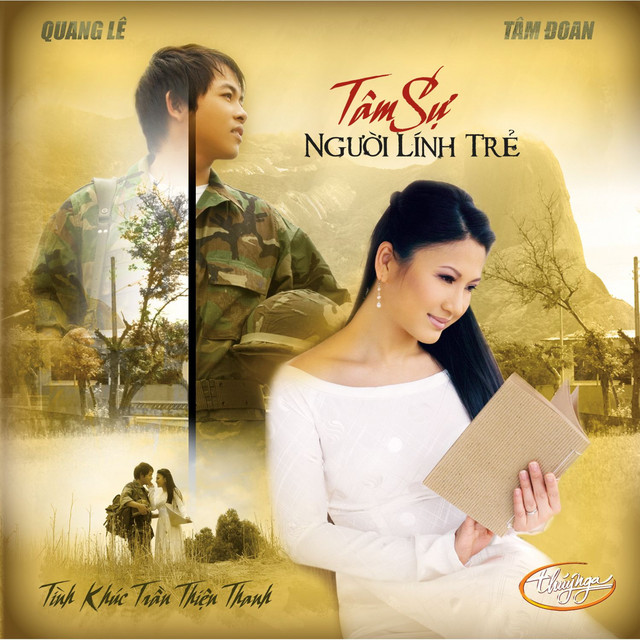
Tâm Đoan
Bolero
Traditional Music
V-Pop
2
/5
Thanh Thúy
Bolero
Traditional Music
Vietnamese Bolero
2
/5
Khưu Huy Vũ
Bolero
Traditional Music
Vietnamese Bolero
2
/5
Thúy Hà
Bolero
Traditional Music
Vietnamese Bolero
2
/5
Huỳnh Thật
Bolero
Traditional Music
Vietnamese Bolero
2
/5
Lê Sang
Bolero
Traditional Music
Vietnamese Bolero
Download our mobile app
Get the Melodigging app and start digging for new genres on the go
Download on the App Store
Get it on Google Play
© 2026 Melodigging
Give feedback
Legal
Melodding was created as a tribute to
Every Noise at Once
, which inspired us to help curious minds keep digging into music's ever-evolving genres.