Genres
Artists
Albums
Make Music
Sign in
Sign in
Artists
Chicha
Artists
Chicha
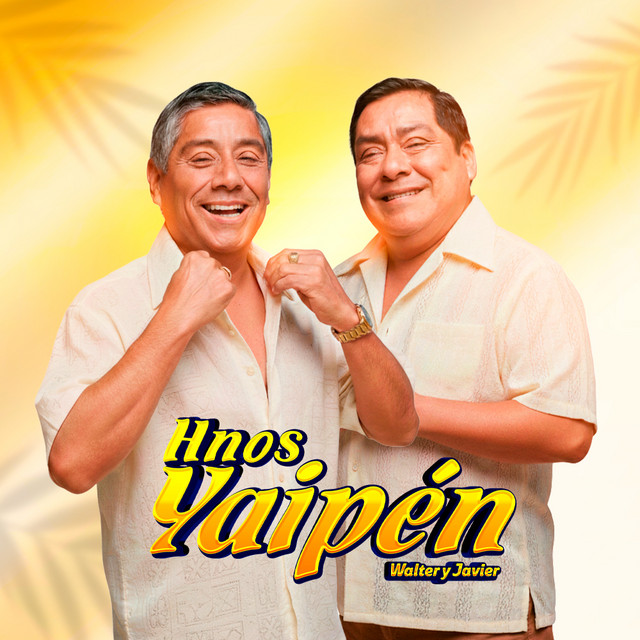
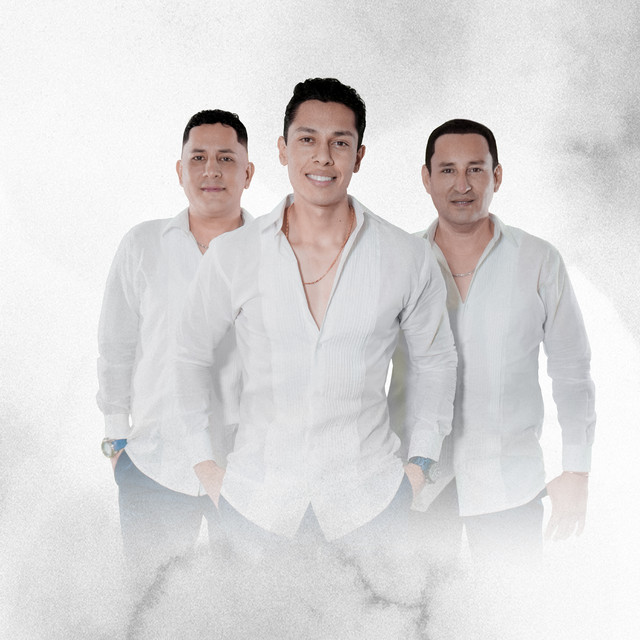
Hnos Yaipén
Listen
3
/5
Genres
Cumbia Norteña Mexicana
Cumbia norteña mexicana is a northern Mexican take on cumbia that blends the Colombian-born rhythm with the instrumentation, feel, and dance culture of norteño and grupera. It is driven by accordion lead lines, bajo sexto rhythm guitar, electric bass, and drum kit, often complemented by güiro or cowbell, and sometimes saxophone or keyboards. The groove keeps cumbia’s characteristic off-beat syncopation while adopting a brisk, two-step-friendly pulse common in the Mexican north and along the Texas border. Songs typically use simple, catchy harmonies (I–IV–V with frequent dominant sevenths), memorable accordion hooks, and verse–chorus structures. Lyrics range from festive parties and dance-floor humor to everyday border life, love, and migration, delivered with call-outs and crowd-response energy tailored to bailes and rodeos.
Discover
Listen
Chicha
Chicha is a Peruvian branch of cumbia that crystallized in urban migrant neighborhoods during the late 1960s and 1970s. It fuses Colombian cumbia rhythms with Andean huayno melodies, played on electric guitars that carry surf- and psychedelic-rock inflections. The style is defined by bright, reverb-soaked lead guitar lines in pentatonic (often Andean) motifs, Farfisa- or Hammond-type organs doubling riffs, and a steady cumbia groove driven by drum kit, güiro, and congas. Lyrics frequently reflect internal migration, working-class life, love, longing, and the bittersweet experience of cultural hybridity in Lima and other Peruvian cities. Chicha is sometimes called cumbia peruana (though that umbrella also includes Amazonian cumbia). Its imagery and street-poster aesthetics—neon colors and bold typography—became synonymous with the sound’s vibrant, grassroots identity.
Discover
Listen
Cumbia Peruana
Cumbia peruana (often called Peruvian cumbia or, in some strands, chicha) is a guitar-led, psychedelic-tinged reimagining of Colombian cumbia that emerged in Peru in the late 1960s. It blends the infectious two-step cumbia rhythm with surf and psychedelic rock guitar tones, Andean melodic sensibilities from huayno, and elements of Peru’s coastal vals criollo tradition. The result is a hypnotic, minor-key sound built on shimmering lead guitar lines, warm organs, hand percussion, and a steady, danceable groove. Over time it branched into regional and social variants—most famously the jungle-infused cumbia amazónica of the 1970s and the migrant urban style known as chicha in the 1980s—while later revivals and digital reinterpretations spread its hallmark guitar-melody aesthetic across Latin America and beyond.
Discover
Listen
Cumbia
Cumbia is a syncretic dance-music tradition from Colombia’s Caribbean coast that blends African rhythmic heritage, Indigenous (especially gaita flute) melodic practice, and Spanish colonial instrumentation and forms. Traditionally performed in a moderate 2/4 (often felt in 4/4 today), it features interlocking hand-drum parts (tambora, alegre, llamador), guacharaca or maracas for steady texture, and long cane flutes (gaita hembra and gaita macho) carrying call-and-response melodies. As it spread in the 20th century, orchestras and dance bands added accordion, horns, piano, bass, and later electric guitar and synthesizers, creating urban and pan–Latin American variants. Harmonically simple and rhythm-forward, cumbia places groove, ostinati, and vocal refrains at the center, making it both ceremonial in origin and enduringly popular on social dance floors across the Americas.
Discover
Listen
Huayno
Huayno (Quechua: waynu/wayno) is a traditional Andean music and dance style that took modern shape in the Peruvian highlands and spread across Bolivia and Ecuador. It is marked by brisk duple-meter rhythms with a strong downbeat, bright pentatonic melodies, and emotive vocals often sung in Quechua and Spanish. Typical ensembles feature charango and guitar strumming patterns, soaring quena (Andean flute) and siku (panpipes), lyrical violin or harp lines, and driving bombo or wankara drum pulses. The dance uses lively stomping steps and turns, reflecting festive community gatherings, courtship, and rural life. Regional variants include the fast, celebratory Huaylas (central highlands), the yaraví-inflected, tender huayno ayacuchano (Ayacucho), and the panpipe- and charango-rich wayno sureño (Cusco–Puno). Lyrical themes span love and longing, migration, indigenous pride, and everyday joys and hardships.
Discover
Listen
Similar artists
4
/5
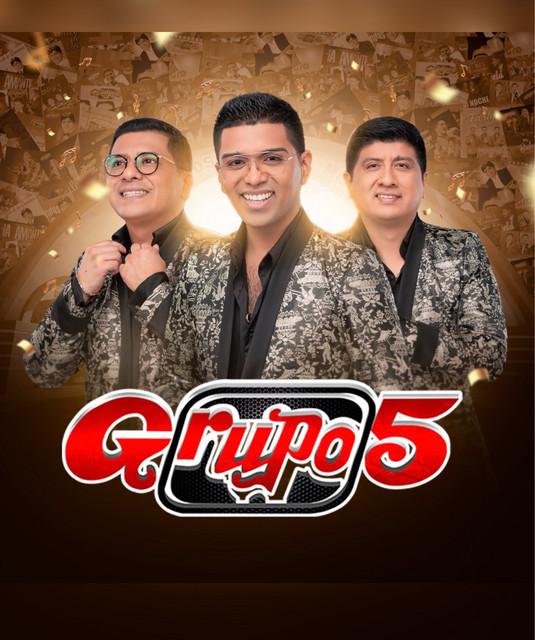
Grupo 5
Chicha
Huayno
Cumbia Norteña Peruana
4
/5
Agua Marina
Cumbia Peruana
Chicha
Huayno
3
/5
La Única Tropical
Cumbia Peruana
Huayno
Chicha
3
/5
Orquesta Caribeños de Guadalupe
Chicha
Cumbia
Cumbia Norteña Mexicana
3
/5
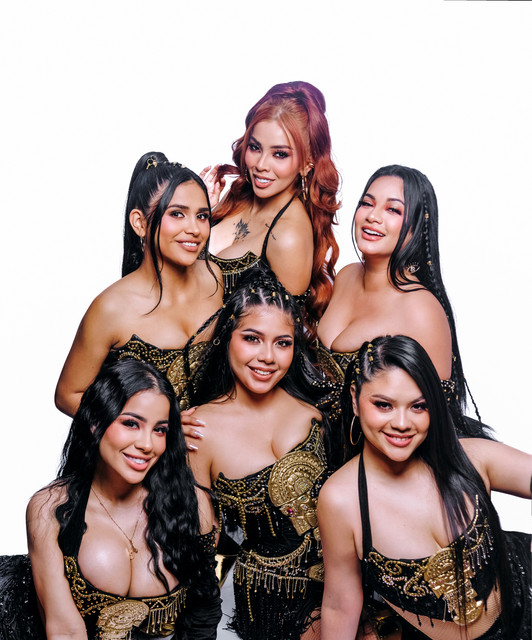
Zafiro Sensual
Cumbia Peruana
Chicha
Huayno
3
/5
El Lobo Y La Sociedad Privada
Cumbia Amazónica
Cumbia Peruana
Chicha
3
/5
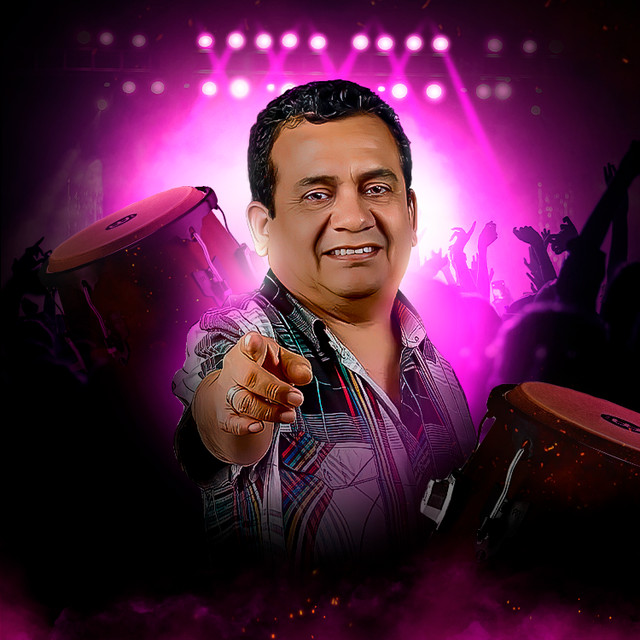
Tony Rosado
Cumbia Norteña Peruana
Chicha
Cumbia
3
/5
Papillón
Cumbia Amazónica
Chicha
Cumbia
3
/5
Agua Bella
Chicha
Cumbia
Cumbia Norteña Mexicana
3
/5
Los Villacorta Orquesta
Chicha
Cumbia Peruana
Huayno
Download our mobile app
Get the Melodigging app and start digging for new genres on the go
Download on the App Store
Get it on Google Play
© 2026 Melodigging
Give feedback
Legal
Melodding was created as a tribute to
Every Noise at Once
, which inspired us to help curious minds keep digging into music's ever-evolving genres.