Genres
Artists
Albums
Make Music
Sign in
Sign in
Artists
Latin Dance
Artists
Latin Dance
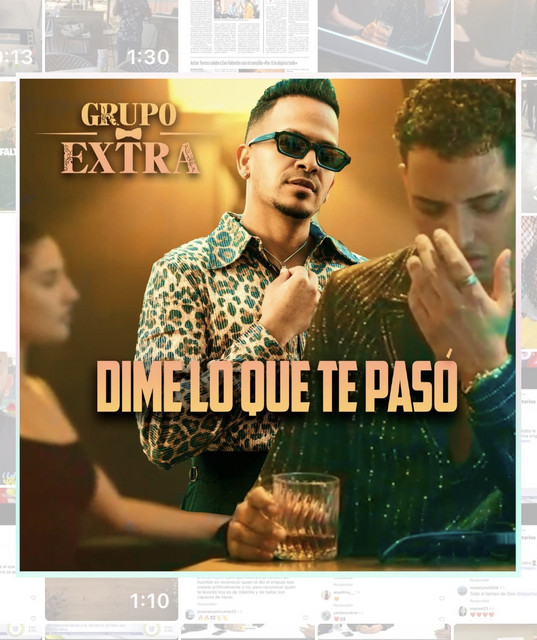
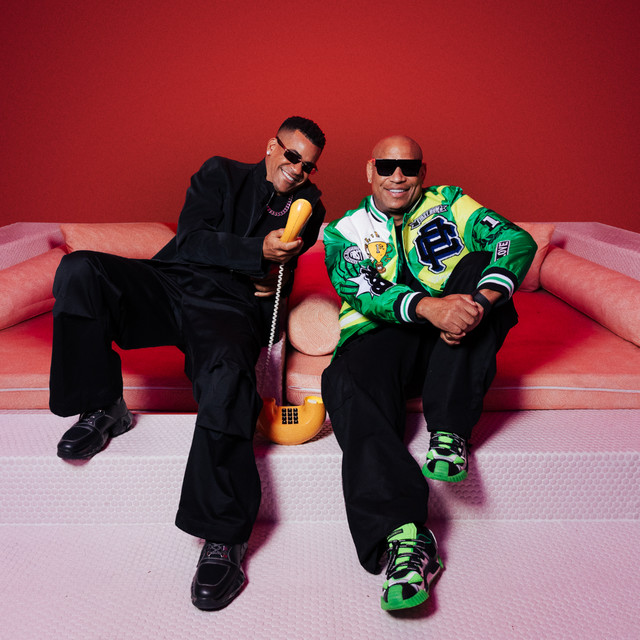
Grupo Extra
2017–2025
·
6 albums
Listen
3
/5
Genres
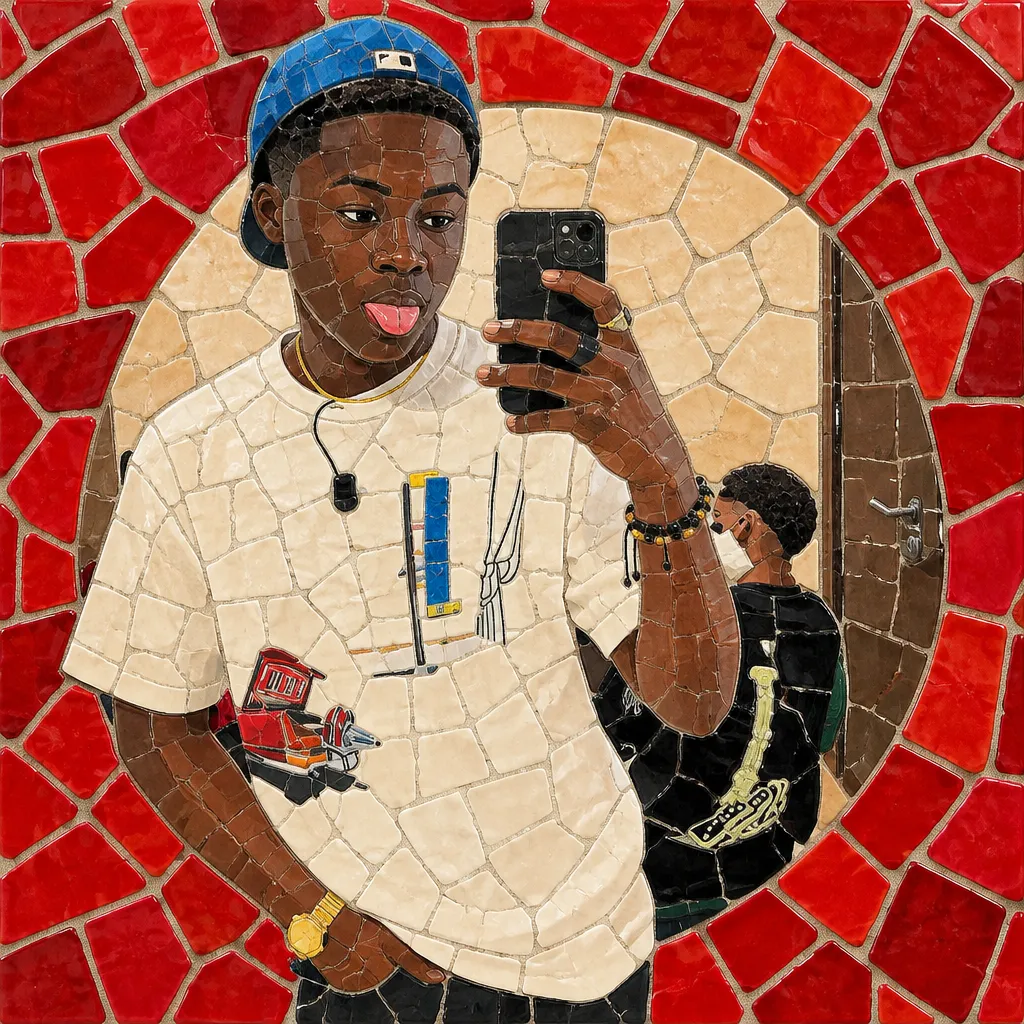
Maimouna
Maimouna is a contemporary Francophone West- and Central‑African club style and dance craze that emerged in the early 2020s, most strongly associated with Côte d’Ivoire’s hyperactive urban party scene. It blends upbeat Afropop songcraft with street‑level chant, call‑and‑response hooks, and kinetic, percussion‑forward beats designed for viral dance challenges. Typical tracks ride a mid‑fast 100–118 BPM groove with shaker and cowbell patterns, handclaps, snare rushes, and short synth stabs or guitar licks. Vocals often mix Nouchi (Ivorian street slang) with French, using playful boasts, dance instructions, and catchy refrains. The production is bright and punchy, favoring simple harmonic loops so the crowd‑energy, chants, and choreography lead the experience.
Discover
Listen
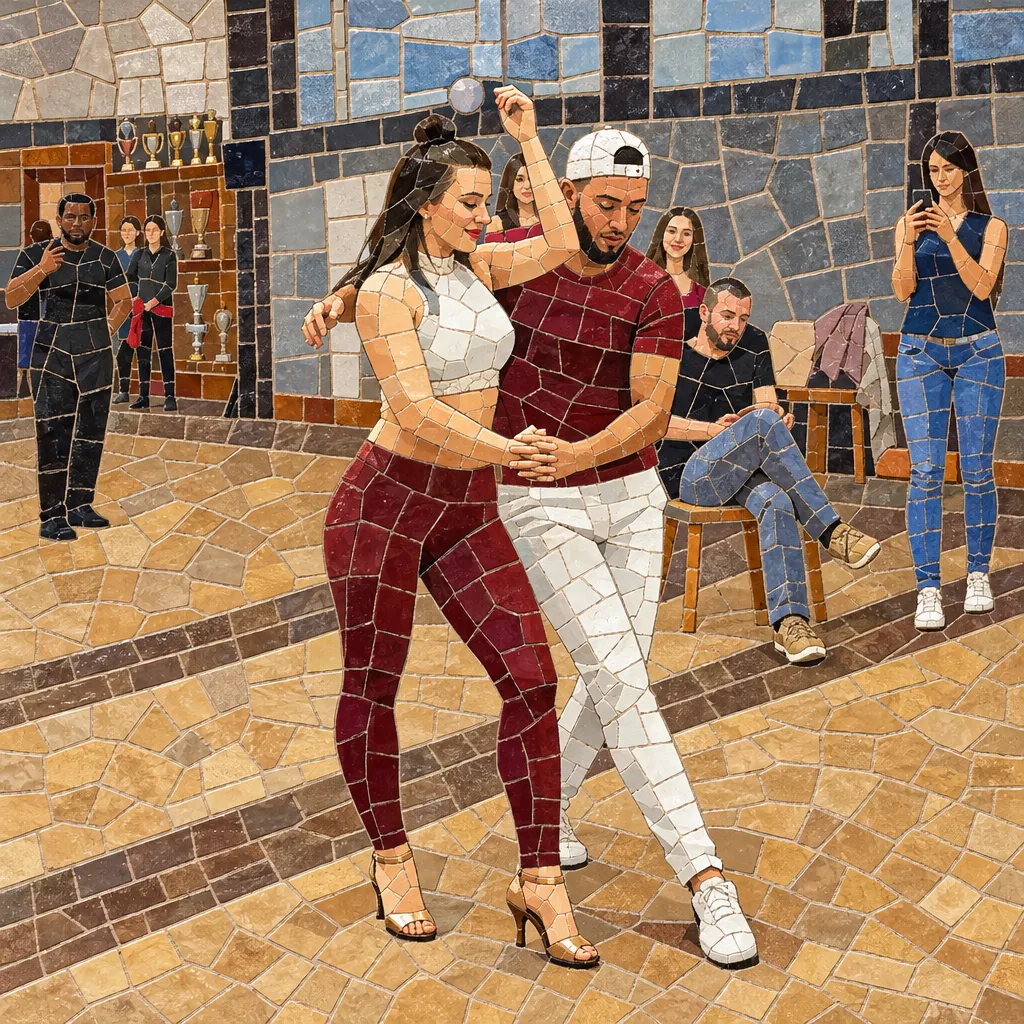
Urban Kiz
Urban Kiz is a contemporary, club-oriented offshoot of kizomba that took shape in Europe—especially in Paris—in the early-to-mid 2010s. It adapts the sensual, close-connection feel of kizomba to straighter, trap- and R&B-influenced beats with pronounced bass lines, crisp hi‑hats, and engineered breaks that suit the stop‑and‑go aesthetics of Urban Kiz social dancing. Musically, it favors 4/4 grooves around 88–102 BPM, less of the lilting/zouk swing found in classic kizomba, and more linear phrasing with dramatic drops, filters, and space for micro-pauses. Vocals (often in Portuguese, French, Cape Verdean Creole, or English) may be original toplines, sampled phrases, or R&B‑style hooks layered over sleek electronic production. Producers frequently label releases or remixes specifically for "Urban Kiz" floors, reinforcing the genre’s identity within the partner‑dance scene.
Discover
Listen
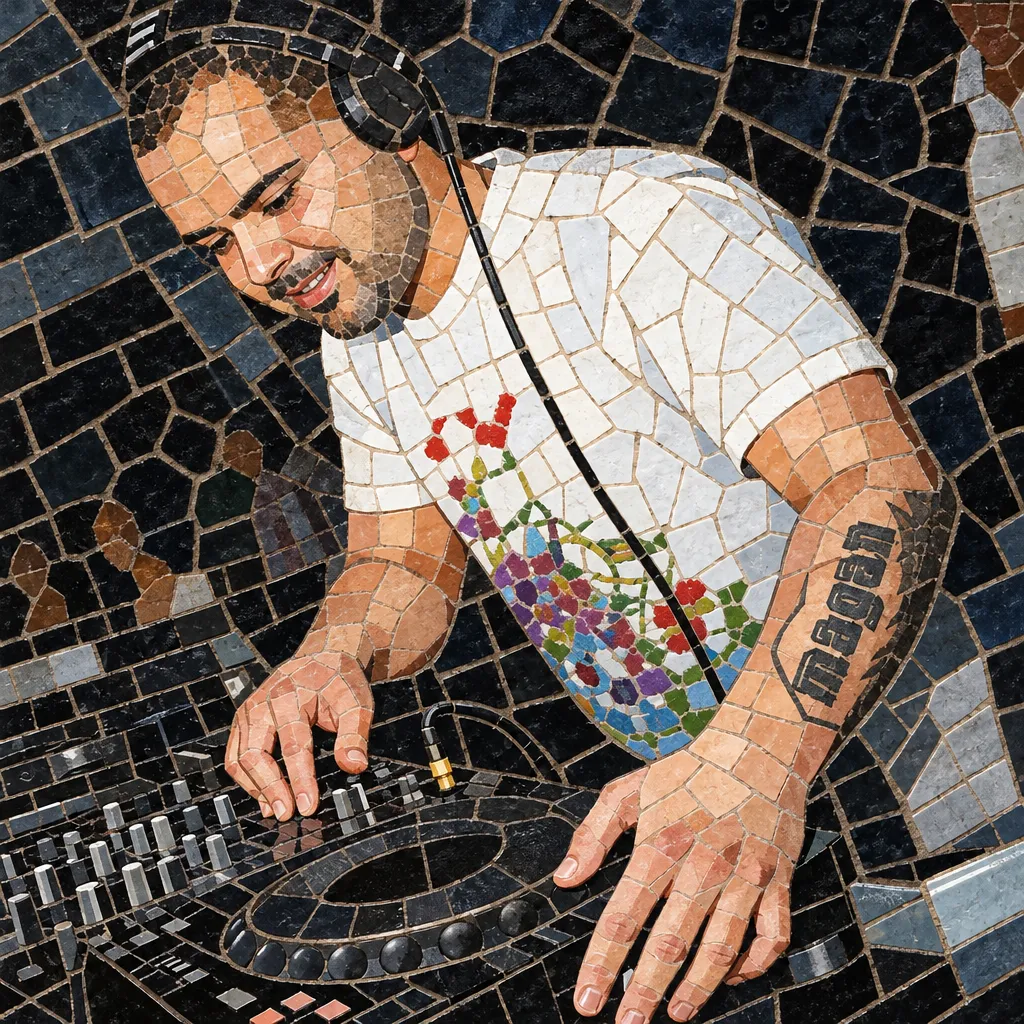
Electro Latino
Electro latino (often stylized as electrolatino) is a club-oriented fusion that blends the four-on-the-floor energy of European EDM and electro house with Spanish/Latin pop songwriting and Caribbean rhythmic accents. It typically features bright supersaw or pluck synth leads, sidechained pads, and festival-style drops, combined with Latin percussion (congas, güira, timbales) and chantable Spanish hooks. Lyrical themes favor summer romance, parties, and coastal imagery, mirroring the genre’s warm, feel-good sonic identity. The style crystallized in Spain in the early 2010s and rapidly spread across European and Latin markets through high-rotation radio singles and compilation series, normalizing Spanish-language vocals and Latin rhythms on mainstream EDM platforms.
Discover
Listen
Latin Dance
Latin dance is a club- and radio-oriented pop/dance style that fuses contemporary electronic dance production with Latin and Caribbean rhythms. It typically blends four-on-the-floor house or Eurodance beats with syncopated percussion (congas, bongos, güira, timbales), horn stabs, montuno-style piano riffs, and call-and-response hooks. Vocals often switch between Spanish and English (Spanglish), and choruses are engineered for chant-along energy. Tempos commonly range from about 100–130 BPM, embracing grooves derived from salsa, merengue, cumbia, and later reggaeton, while keeping the bright synths, sidechain compression, and big drops of mainstream dance-pop. The result is music designed for social dancing, clubs, festivals, fitness classes, and cross‑over hit singles.
Discover
Listen
Kizomba
Kizomba is a smooth, romantic dance-music style that originated in Angola, blending the melodic sensibilities of local semba with the lush, slow-tempo grooves of Caribbean zouk. Typically set in 4/4 time around 86–100 BPM, it emphasizes a deep, round sub‑bass, sparse drum programming, and gently syncopated percussion that encourages close, flowing partner movement. Arrangements favor silky synth pads, clean electric guitar arpeggios or comping, and R&B-influenced vocals in Portuguese and other Angolan or Cape Verdean languages. Lyrical themes gravitate to love, intimacy, nostalgia, and urban life. Over time, kizomba diversified into substyles (such as the even sparser, bass-forward tarraxinha) and spread through the Lusophone diaspora, especially in Portugal, before becoming a global social-dance phenomenon.
Discover
Listen
Bachata
Bachata is a romantic guitar-driven genre and social dance that took shape in the Dominican Republic. Its core sound features arpeggiated lead guitar figures (requinto), rippling accompaniment, and a gently propulsive rhythm section built on bongó and güira. Stylistically, bachata blends European (Spanish/bolero harmony and song form), African (percussion feel and call‑and‑response inflections), and Indigenous Taíno elements, mirroring the island’s cultural mosaic. The songs typically revolve around love, longing, heartbreak, and everyday life, delivered with a bittersweet, intimate tone. Musically it sits in 4/4, often mid‑tempo, with the lead guitar outlining chord arpeggios and ornaments (slides, trills, tremolo) over bolero-derived progressions. A companion partnered dance, also called bachata, evolved alongside the music and emphasizes close embrace, side‑to‑side steps, and a characteristic hip accent on beat four.
Discover
Listen
Latin
Latin (as a genre label) is a broad umbrella used by the recording industry to categorize popular music rooted in Latin America, the Caribbean, and the Iberian world, often characterized by syncopated Afro-diasporic rhythms, dance-forward grooves, and lyrics primarily in Spanish or Portuguese. As a marketplace category that took shape in the mid-20th century United States, it gathers diverse traditions—Afro-Cuban, Brazilian, Mexican, and Caribbean styles—into a shared space. In practice, "Latin" spans everything from big-band mambo and bolero ballads to contemporary pop, rock, hip hop, and dance fusions produced by artists of Latin American heritage.
Discover
Listen
Merengue
Merengue is a fast, dance-centered popular music from the Dominican Republic characterized by a driving 2/4 meter, bright major-key harmonies, and a propulsive rhythmic engine created by güira and tambora. In its rural "típico" form, the lead instrument is a diatonic accordion, supported by tambora, güira, and bass. Urban and orchestral evolutions expanded the instrumentation to include saxophones, trumpets, trombones, piano, congas, and electric bass, yielding a powerful big-band sound. Common song forms use verse–chorus structures with catchy coros and a climactic jaleo section where horns or accordion play tightly arranged riffs. The style spans energetic party anthems, romantic ballad-leaning numbers (merengue romántico), and modern fusions that blend with pop and urban music.
Discover
Listen
Show all 8 genres
Albums
2025
3
/5
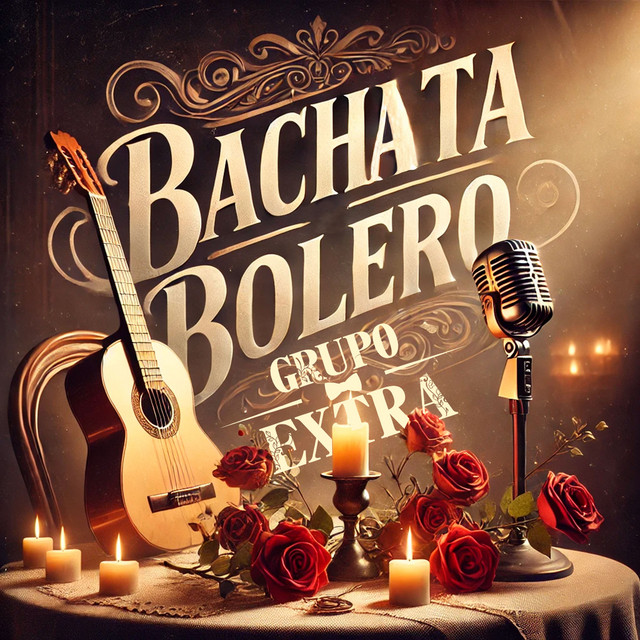
Bachata Bolero
Grupo Extra
Latin Dance
2022
1
/5
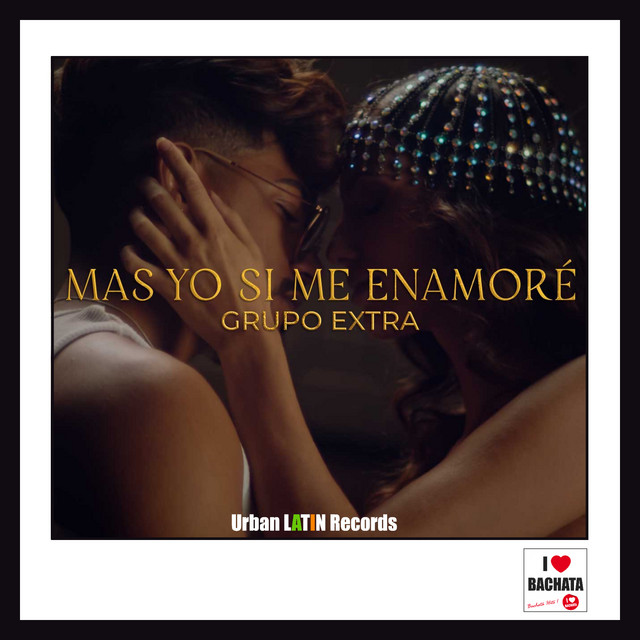
Mas yo si me enamoré (Bachata Version)
Grupo Extra
Latin Dance
2022
2
/5
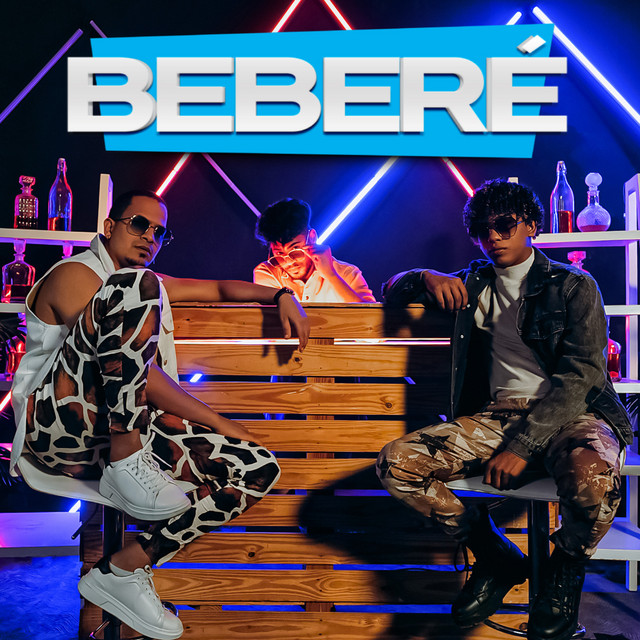
Beberé
Grupo Extra
Latin Dance
2021
1
/5
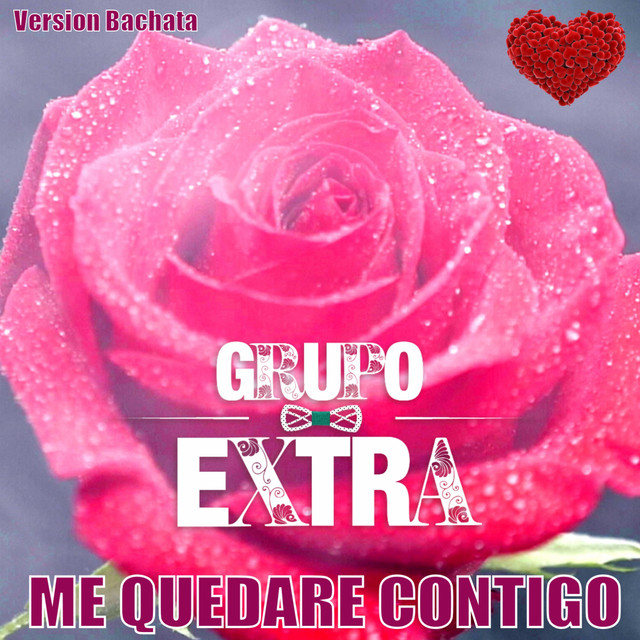
Me Quedare Contigo (Bachata Version)
Grupo Extra
Latin Dance
2020
2
/5
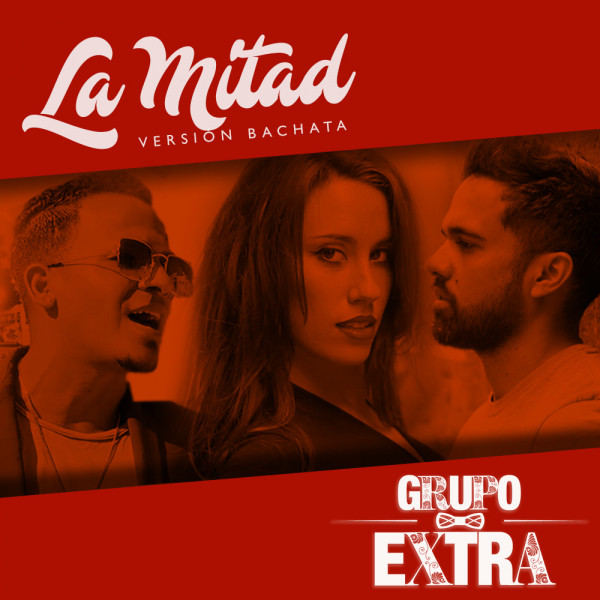
La Mitad
Grupo Extra
Latin Dance
2017
2
/5
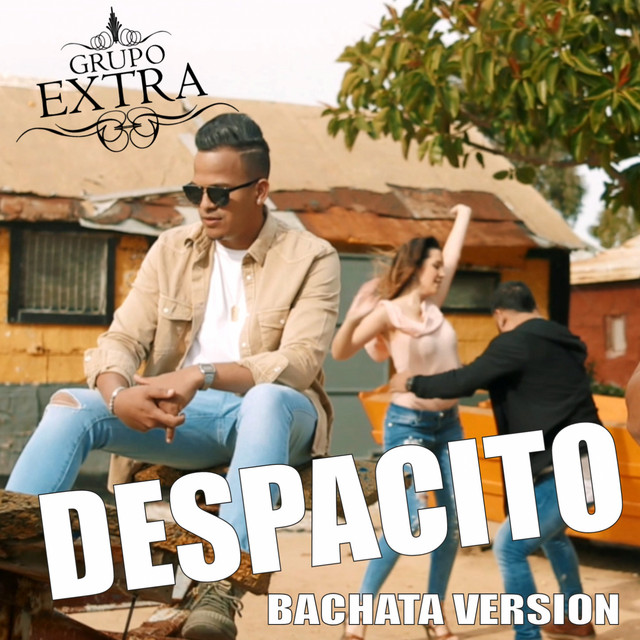
Despacito (Bachata Version)
Grupo Extra
Latin Dance
Similar artists
1
/5
Various Artists
Afro-Funk
Alternative Rock
Ambient
4
/5
Juan Luis Guerra 4.40
Merengue
Bachata
Latin
4
/5
Elvis Crespo
Latin Dance
Latin
Merengue
4
/5
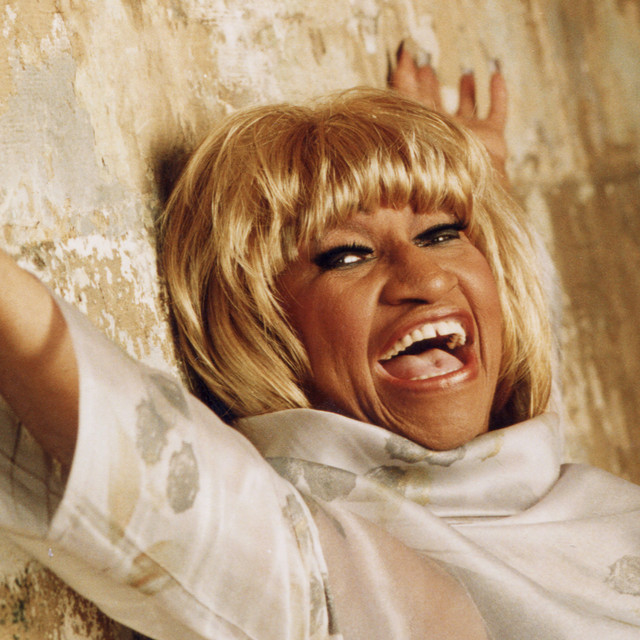
Celia Cruz
Latin Dance
Son Cubano
Mambo
4
/5
Marc Anthony
Latin
Salsa
Bachata
4
/5
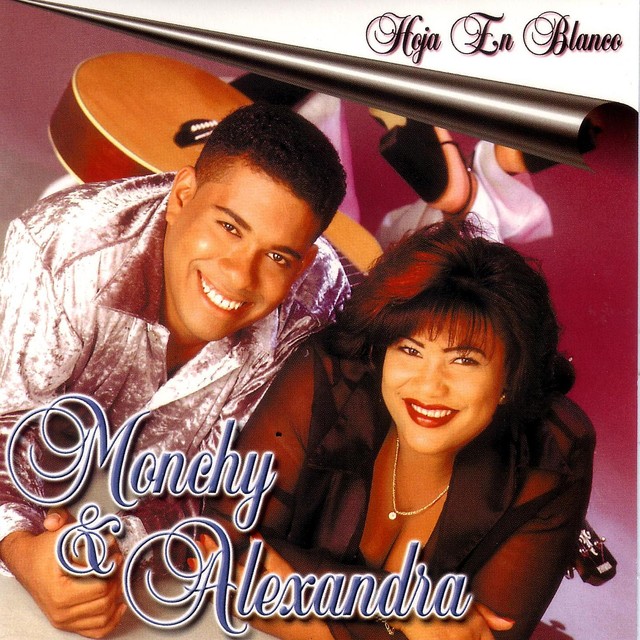
Monchy & Alexandra
Bachata
Merengue
Latin
4
/5
Anthony Santos
Bachata
Merengue
Latin
4
/5
Gente De Zona
Latin Dance
Cubatón
Electro Latino
2
/5
Antony Nova
Latin Dance
Bachata
Salsa
5
/5
Romeo Santos
Bachata
Latin
Latin Pop
Download our mobile app
Get the Melodigging app and start digging for new genres on the go
Download on the App Store
Get it on Google Play
© 2026 Melodigging
Give feedback
Legal
Melodding was created as a tribute to
Every Noise at Once
, which inspired us to help curious minds keep digging into music's ever-evolving genres.