Genres
Artists
Albums
Make Music
Sign in
Sign in
Artists
Latin Folk
Artists
Latin Folk
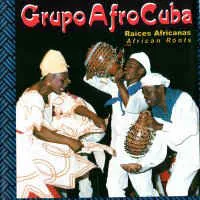
Grupo Afrocuba de Matanzas
1 album
Listen
1
/5
Genres
Timba
Timba is a high-energy Cuban dance-music genre that emerged in the 1990s, characterized by explosive rhythmic drive, complex arrangements, and a modern, urban attitude. It extends the lineage of son cubano and salsa by integrating songo’s drumset-driven groove, rumba’s rhythmic vocabulary, and jazz/funk harmony and horn writing. Hallmarks include gear changes (sudden shifts in groove and orchestration), tightly synchronized bloques (arranged hits and breaks), virtuosic piano tumbaos, aggressive bass lines that “gear up” and release tension, and call-and-response coros with streetwise soneos/rap interjections. Percussion sections typically blend congas, timbales, bongó, and a full drum kit, creating a polyrhythmic engine built around the clave while allowing dramatic rhythmic modulation.
Discover
Listen
Latin Folk
Latin folk is a broad umbrella for singer‑songwriter and ensemble music that draws on traditional folk forms from across Latin America while presenting them in contemporary, often acoustically driven arrangements. It emphasizes storytelling, social and poetic lyricism, and the timbres of regional instruments such as the guitar, charango, quena, zampoña, cuatro, and bombo legüero. Rhythmic cells are borrowed from pan‑regional traditions (chacarera, cueca, zamba, huayno, joropo, son, and others), yet songs are commonly shaped in accessible verse‑chorus structures. While its roots are centuries old, the modern genre coalesced during the mid‑20th‑century folk revival and the Nueva Canción movements, which linked ancestral sounds with contemporary concerns such as identity, justice, and cultural memory.
Discover
Listen
Latin Jazz
Latin jazz is a fusion of jazz harmony and improvisation with Afro–Latin American rhythms, song forms, and percussion. It combines the swing, bebop, and big-band traditions with clave-based grooves such as son, rumba, danzón, and mambo, and later integrates Brazilian feels like samba and bossa nova. Typical features include the use of the clave (2–3 or 3–2), piano montunos (guajeos), bass tumbao patterns, timbales cáscara, conga marcha, and call-and-response horn "mambo" figures. While the rhythm section locks into cyclical patterns, soloists improvise using the vocabulary of jazz, creating music that is both danceable and harmonically rich.
Discover
Listen
Son Cubano
Son cubano is a foundational Cuban genre that fuses Spanish-derived song forms and harmony with Afro-Cuban rhythms and percussion. Born in eastern Cuba (Oriente) and crystallized in Havana in the 1910s–1920s, it became the backbone of much of 20th‑century Latin popular music. Typical ensembles began as sextetos (tres, guitar, bongó, maracas, claves, and bass or marímbula) and later evolved into septetos with trumpet. Conjunto formats in the 1940s added piano, congas, and multiple horns. The music rides a son clave (in 3‑2 or 2‑3 orientation), features interlocking tres guajeos, a walking/tumbao bass that anticipates the downbeat, and call‑and‑response vocals in the montuno section. Harmonically it is rooted in I–IV–V with bluesy dominant sevenths and occasional secondary dominants. Lyrically it balances romance, everyday life, and streetwise wit, always aimed at dancing and social gathering.
Discover
Listen
Santería Music
Santería music (música de la Regla de Ocha/Lucumí) is the sacred Afro‑Cuban repertoire used to venerate the orishas, blending Yoruba religious song and drumming with elements absorbed in colonial Cuba. It is characterized by polyrhythmic ensembles of batá drums (iyá lead drum, itótele, and okónkolo), iron bell (ogán), and beaded gourds (chekeré). Voices are organized in call‑and‑response between a lead singer (akpwón) and a chorus, sung in Lucumí (a Yoruba-derived liturgical language) with occasional Spanish refrains. Melodies are mostly syllabic and narrow in range, prioritizing rhythm, timbre, and ritual text over harmonic development. Performances center on codified rhythmic cycles (toques) and song suites associated with specific deities (e.g., Changó, Yemayá, Ochún, Elegguá, Ogún). In ceremonial contexts, the music serves divination, invocation, and possession trance, while public bembé gatherings and staged folkloric versions adapt the same vocabulary for secular presentation.
Discover
Listen
Albums
Raíces africanas
Grupo AfroCuba de Matanzas
Santería Music
Similar artists
1
/5
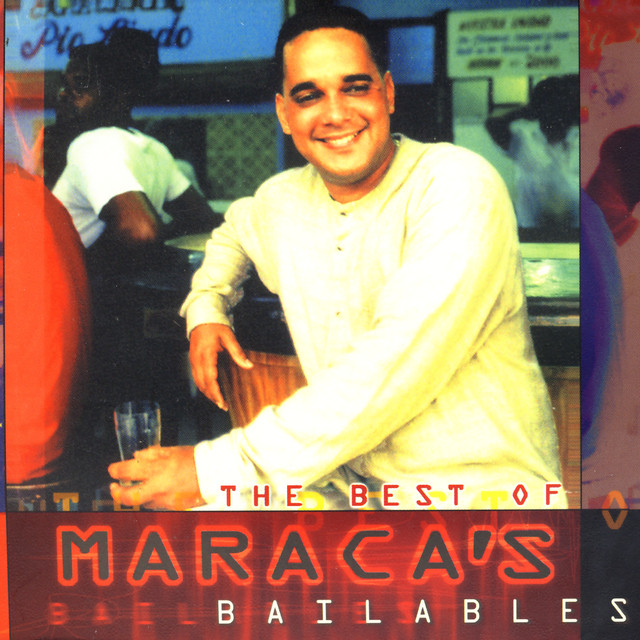
Orlando "Maraca" Valle
Latin Folk
Latin Jazz
Son Cubano
2
/5
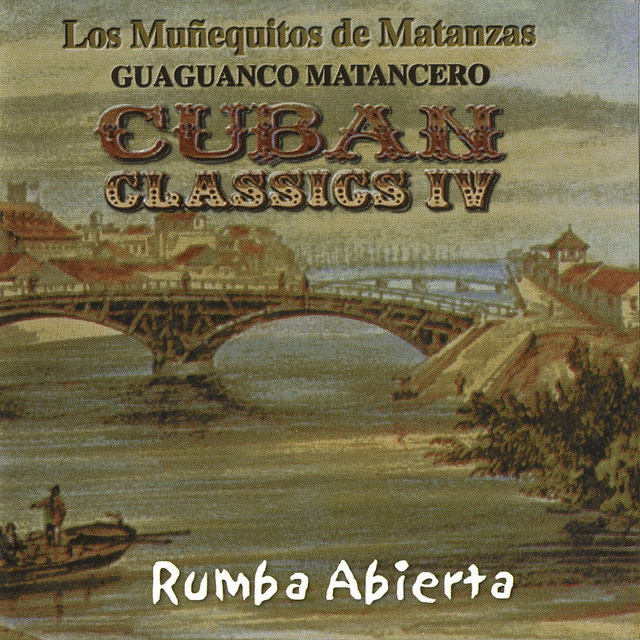
Los Muñequitos De Matanzas
Rumba Cubana
Latin Jazz
Reparto
3
/5
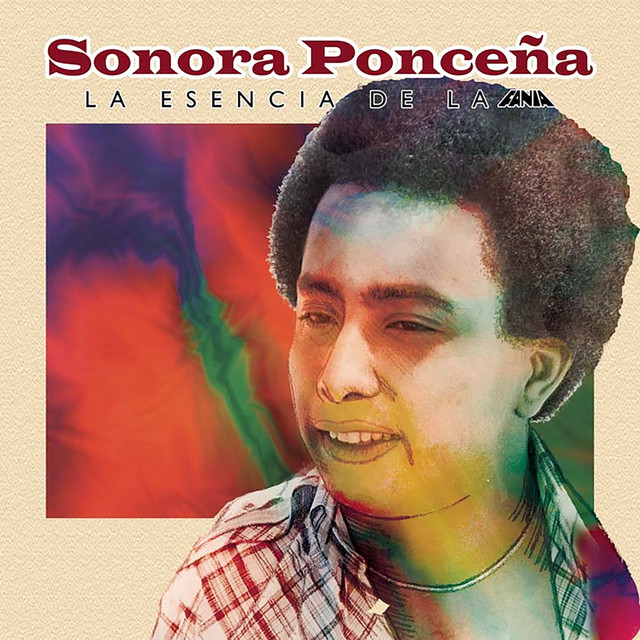
Sonora Ponceña
Latin Jazz
Son Cubano
Timba
3
/5
Orquesta Failde
Bolero
Chachachá
Latin Jazz
3
/5
Alain Pérez
Bolero
Latin Jazz
Salsa
3
/5
Sierra Maestra
Son Cubano
Latin Jazz
Salsa
2
/5
Pedrito Martinez
Latin Jazz
Reparto
Son Cubano
2
/5
Soneros De Verdad
Latin Jazz
Son Cubano
Timba
2
/5
Jimmy Bosch
Chachachá
Latin Jazz
Mambo
2
/5
Fabio Gianni
Chachachá
Latin Jazz
Mambo
Download our mobile app
Get the Melodigging app and start digging for new genres on the go
Download on the App Store
Get it on Google Play
© 2026 Melodigging
Give feedback
Legal
Melodding was created as a tribute to
Every Noise at Once
, which inspired us to help curious minds keep digging into music's ever-evolving genres.