Genres
Artists
Albums
Make Music
Sign in
Sign in
Artists
Bassline
Artists
Bassline
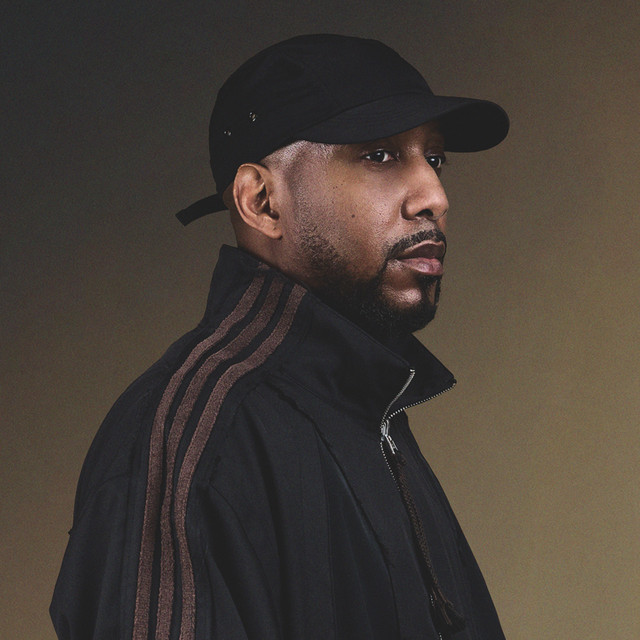
Gray
2010–2024
·
2 albums
Listen
3
/5
Genres
Hard Drum
Hard drum is a UK-born strain of percussive club music that foregrounds heavy, syncopated drums, sharp transients, and minimal melodic content. Tracks often function as DJ tools: skeletal, high-impact, and designed to generate momentum and tension on the dancefloor. Drawing on UK funky’s swing, grime’s sound-design bite, and Afro-diasporic rhythms (kuduro, batida, gqom), hard drum emphasizes tuned toms, metallic hits, hand percussion, and sub-weighted kicks over sustained chords or vocal leads. The result is a stark, propulsive style that prizes polyrhythms, negative space, and sudden drops as its main dramatic devices.
Discover
Listen
Dubstep Product
Dubstep product is a production/library music take on dubstep tailored for sync: trailers, esports broadcasts, gaming content, advertising, influencer videos, and broadcast bumpers. It takes the sound design, half‑time groove, and drop‑centric structures of UK/US dubstep (including brostep/tearout variants) and packages them into edit‑friendly cues with clean hit points, sting endings, alternate mixes, stems, and duration cuts (15/30/60 seconds). The result balances maximalist bass design with practical considerations for dialogue, sound effects, and branding overlays. Compared with club‑oriented dubstep, dubstep product favors punchy, readable arrangements, cinematic impacts, and clearly marked builds/drops that translate across headphones, TV speakers, and mobile devices.
Discover
Listen
Halftime Dnb
Halftime DnB is a bass-focused offshoot of drum and bass that retains DnB’s tempo (typically 170–174 BPM) but places the drums in a half-time grid, creating the feel of 85–87 BPM. The result is a spacious, head‑nod swing that blends the sound design intensity of DnB with the groove logic of hip hop and trap. Producers emphasize heavyweight sub lines, neuro-influenced bass design, and skeletal, syncopated drum patterns (kicks and 808s up front, snares landing hard on beat three). Texture and negative space are integral, with percussion details, foley, and minimal melodic fragments carrying the narrative. The style sits naturally between club systems and headphone listening, often occupying the same ecosystems as UK bass, the autonomic/leftfield DnB continuum, and the LA beat scene.
Discover
Listen
Hybrid Trap
Hybrid trap is an EDM subgenre that fuses Southern hip hop–derived trap rhythms and 808 low end with the sound-design intensity and drop-centric structure of dubstep and electro house. It typically runs at 75/150 BPM in a halftime feel, features skittering hi-hats and snare/clap hits on beat three, and pairs punchy 808 kick–sub combos with midrange growls, reese basses, screeches, and cinematic brass stabs. Producers lean heavily on modern synthesis, resampling, and aggressive processing (distortion, multiband compression, OTT) to craft dynamic, call-and-response drops suited to festival stages. Compared with “classic” EDM trap, hybrid trap places greater emphasis on dubstep-like bass design, complex fills, and theatrical builds, while retaining trap’s swaggering grooves and minimalistic, percussive motifs.
Discover
Listen
Bassline
Bassline (often called bassline house or Niche) is a UK-born, high-energy offshoot of UK garage built around a driving 4x4 kick pattern and huge, modulated sub-bass riffs. Typically sitting around 135–140 BPM, tracks use swung garage percussion, choppy R&B or pop vocal cuts, and bright organ or synth stabs, all arranged for rapid-fire, DJ-friendly drops. The signature is the wobbling, LFO-driven bassline that converses with the drums in tightly looped 8- or 16-bar phrases. Culturally, the style is rooted in northern England club culture (notably Sheffield’s Niche), with MC-led sets, quick blends, and a focus on dancefloor tension-and-release.
Discover
Listen
Drum And Bass
Drum and bass (DnB) is a fast, rhythmically intricate form of electronic dance music centered on breakbeats at roughly 160–180 BPM and powerful, sub‑heavy basslines. It grew out of the UK’s early ’90s rave and jungle scenes, combining chopped funk breaks (most famously the Amen break), dub and reggae sound‑system aesthetics, hip‑hop sampling, and techno’s futurist sound design. Across its many substyles—liquid funk’s soulful harmonies, techstep and neurofunk’s cold, machine‑like bass engineering, jump‑up’s hooky bass riffs, atmospheric DnB’s pads and space—drum and bass remains a DJ‑oriented, dancefloor‑driven genre that prizes tight drum programming, deep low end, and precise arrangement for mixing.
Discover
Listen
Jungle
Jungle is a UK-born electronic music style defined by rapid, chopped breakbeats, heavy sub‑bass, and a deep dialogue with Jamaican sound‑system culture. Typical tempos sit around 155–170 BPM, with intensely syncopated drum programming that flips funk and jazz breaks (especially the Amen, Think, and Apache breaks) into kinetic, polyrhythmic mosaics. Its sound palette blends dub’s bass weight and echo, reggae and dancehall vocal toasting, hip‑hop sampling aesthetics, and the rave/hardcore continuum’s rave stabs and euphoria. In contemporary usage, jungle is often grouped under the broader umbrella of drum and bass; historically it directly preceded and seeded mid‑1990s drum and bass and is frequently treated as an early substyle of DnB.
Discover
Listen
Jump Up
Jump up is a high-energy, dancefloor-focused subgenre of drum and bass characterized by bouncy, instantly memorable bass riffs, playful samples, and a party-first attitude. It typically runs around 170–176 BPM, with crisp two-step drum patterns, punchy snares, and simple, hook-led midrange “wobble” basslines that cut through club systems. Aesthetically it leans toward bright, cheeky motifs—brass stabs, hip‑hop or dancehall MC phrases, and call‑and‑response bass hooks—designed for rewinds, double drops, and big crowd reactions. While rooted in jungle’s breakbeats and sound system culture, jump up pares back complexity for maximum bounce and impact, prioritizing groove, movement, and memorable motifs over intricate harmony.
Discover
Listen
No Wave
No wave is a late-1970s New York City underground movement that rejected the orthodoxies of punk, rock, and pop in favor of abrasive sonics, anti-virtuosic playing, and an art-forward, confrontational attitude. Its sound ranges from skronky, free-jazz-influenced sax blasts and scraping, detuned guitars to rigid, mechanical rhythms and stark, minimal song structures. Lyrics are often spoken, shouted, or declaimed in a deadpan or feral style, addressing urban anxiety, alienation, and cultural decay. More than a fixed style, no wave was a short, intense rupture: a scene of musicians and artists who intentionally dismantled conventional harmony, groove, and song form to foreground texture, noise, and performance as critique.
Discover
Listen
Show all 9 genres
Albums
2024
3
/5
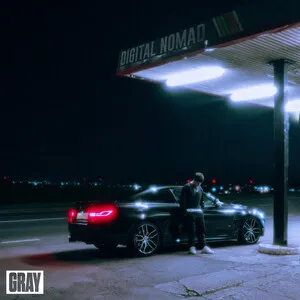
Digital Nomad
Gray
Jump Up
2010
2
/5
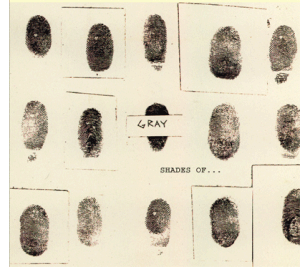
Shades Of...
Gray
No Wave
Similar artists
3
/5
SHY FX
Drum And Bass
Bassline
Electronic
3
/5
Deekline
Ragga Jungle
Bassline
Breakbeat
3
/5
DJ Zinc
Jump Up
Bassline
Drum And Bass
3
/5
Voltage
Ragga Jungle
Drum And Bass
Jump Up
3
/5
Original Sin
Jump Up
Drum And Bass
Bassline
4
/5
Bou
Deep Rai
Jungle
Bassline
3
/5
Trigga
Bassline
Drum And Bass
Gaming Edm
3
/5
Mozey
Jungle
Bassline
Drum And Bass
3
/5
Kings Of The Rollers
Bassline
Drum And Bass
Jungle
3
/5
MC Spyda
Bassline
Drum And Bass
Jungle
Download our mobile app
Get the Melodigging app and start digging for new genres on the go
Download on the App Store
Get it on Google Play
© 2026 Melodigging
Give feedback
Legal
Melodding was created as a tribute to
Every Noise at Once
, which inspired us to help curious minds keep digging into music's ever-evolving genres.