Genres
Artists
Albums
Make Music
Sign in
Sign in
Artists
Bolero
Artists
Bolero
Gigliola Cinquetti
1972–1973
·
2 albums
Listen
3
/5
Genres
Liscio
Liscio is a traditional Italian ballroom dance music style that crystallized in Emilia–Romagna, especially in Romagna, in the mid-20th century. The term "liscio" ("smooth") refers to the fluid, gliding quality of partner dancing associated with the genre. Its core repertoire is built on European social-dance forms—waltz (valzer), polka, and mazurka—interpreted with a distinctly Romagnolo flavor. Typical ensembles feature violin and clarinet (or saxophone) supported by accordion, guitar, double bass or bass guitar, and drums, often with a lead singer performing in Italian or the local Romagnolo dialect. Liscio is made for community dancing in balere (dance halls), village fêtes (sagre), and social gatherings. Melodies are tuneful and memorable, harmonies are mostly diatonic and functional, and arrangements emphasize a steady, danceable pulse with a warm, festive atmosphere.
Discover
Listen
Pop
Pop is a broad, hook-driven style of popular music designed for wide appeal. It emphasizes memorable melodies, concise song structures, polished vocals, and production intended for radio, charts, and mass media. While pop continually absorbs elements from other styles, its core remains singable choruses, accessible harmonies, and rhythmic clarity. Typical forms include verse–pre-chorus–chorus, frequent use of bridges and middle-eights, and ear-catching intros and outros. Pop is not defined by a single instrumentation. It flexibly incorporates acoustic and electric instruments, drum machines, synthesizers, and increasingly digital production techniques, always in service of the song and the hook.
Discover
Listen
Alpine Folk Music
Alpine folk music is the traditional rural music of the Alpine region spanning Austria, Switzerland, southern Germany (Bavaria and Swabia), South Tyrol in northern Italy, and parts of Slovenia. It centers on small ensembles (Tanzlmusik) playing dance tunes and strophic songs for village festivities, weddings, and seasonal rituals. Characteristic elements include yodeling (Jodler), lively dance forms such as Ländler (often in 3/4), Polka (2/4), Boarischer, and Zwiefacher (with alternating meters), and distinctive timbres from diatonic button accordion (Steirische Harmonika), zither, hammered dulcimer (Hackbrett), fiddle, clarinet, guitar, and alphorn. Melodies are typically modal or major with triadic outlines, drones, and parallel thirds, while lyrics use local dialects and celebrate landscape, pastoral work, and communal life. The style is closely tied to regional dress (Tracht) and dance customs (e.g., Schuhplattler), and it remains a living tradition that bridges intimate domestic music-making with public festivals and modern stage performance.
Discover
Listen
Bolero
Bolero is both a Spanish dance-music form from the late 18th century and, later, a Cuban song style from the late 19th century. The Spanish bolero emerged as a moderately slow solo or partner dance in 3/4 time, shaped by Andalusian song-dance traditions. It typically features guitar accompaniment and castanets, and its sung texts often follow the seguidilla stanza pattern. In Cuba, bolero evolved into a romantic ballad—most often in 2/4 (later also felt in 4/4)—performed by singers, trios, and salon ensembles. Cuban bolero emphasizes intimate, lyrical melodies, guitar-led accompaniment (often with requinto), and gentle Afro-Caribbean rhythmic undercurrents (habanera feel, soft bongo, claves), becoming one of Latin America’s quintessential love-song forms.
Discover
Listen
Ballad
A ballad is a narrative song form that tells a story in simple, singable stanzas, traditionally using quatrains in ballad meter (alternating lines of iambic tetrameter and trimeter with an ABCB rhyme scheme). Ballads typically recount dramatic events—love, betrayal, tragedy, murder, the supernatural—or notable historical incidents. Early ballads were often sung unaccompanied or with minimal accompaniment, carried by memorable, modal melodies and refrains that aided oral transmission. Over time, the term also came to describe slow, sentimental popular songs in the 20th century, but the core of the genre remains the storytelling focus and strophic, easily learned structure. Ballads are central to the English- and Scots-language folk traditions, migrated to North America where they flourished in Appalachian singing, and continue to be performed, adapted, and reinterpreted in contemporary folk and roots scenes.
Discover
Listen
Albums
1973
2
/5
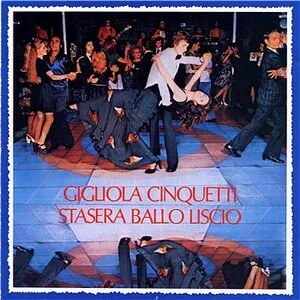
Stasera ballo liscio
Gigliola Cinquetti
Liscio
1972
1
/5
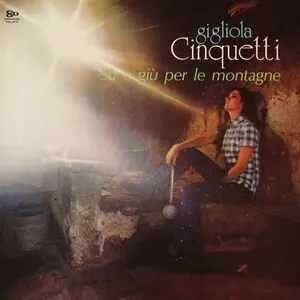
Su e giù per le montagne
Gigliola Cinquetti
Alpine Folk Music
Similar artists
5
/5
Luis Miguel
Bolero
Latin Pop
Mariachi
5
/5
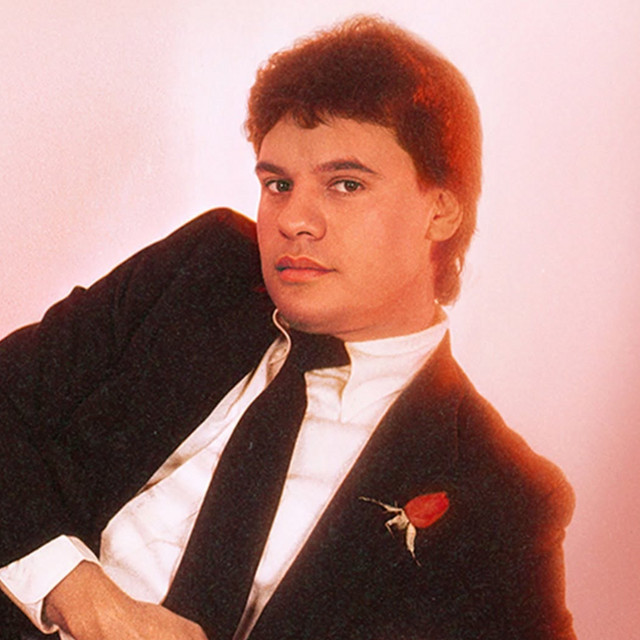
José José
Bolero
Canción Melódica
Ballad
5
/5
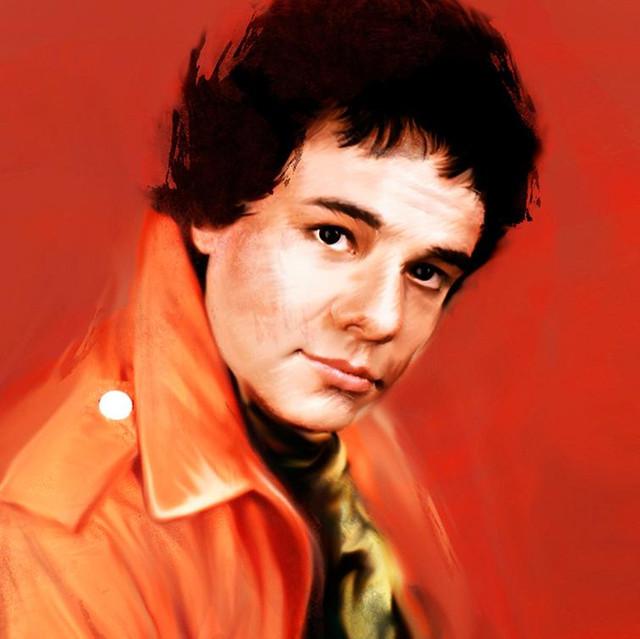
Juan Gabriel
Bolero
Mariachi
Canción Melódica
4
/5
Alejandro Fernández
Ranchera
Latin
Mariachi
4
/5
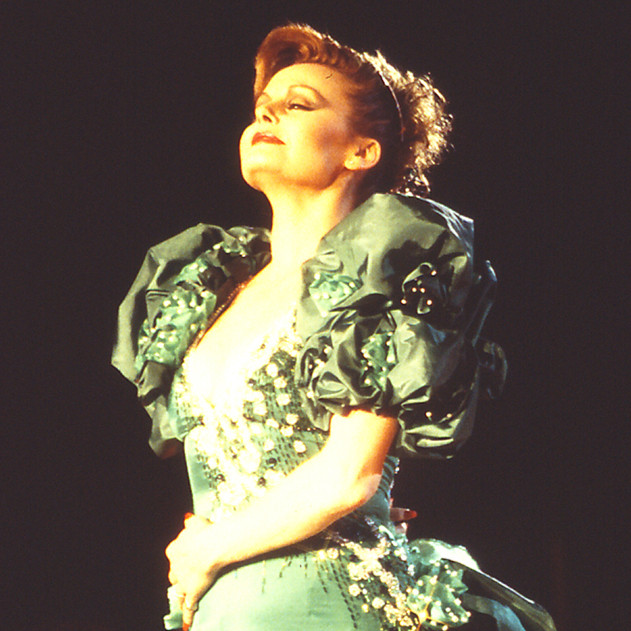
Rocío Dúrcal
Canción Melódica
Mariachi
Bolero
4
/5
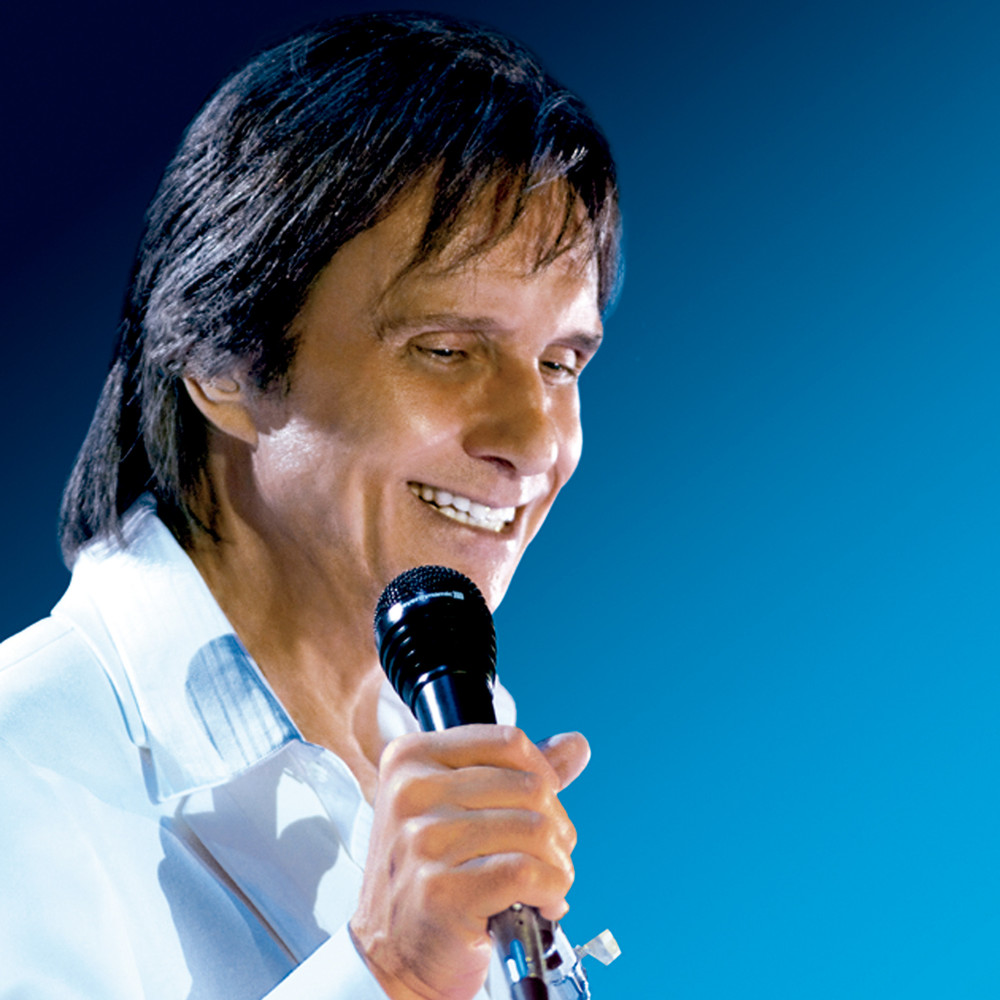
Roberto Carlos
Jovem Guarda
Mpb
Brega
4
/5
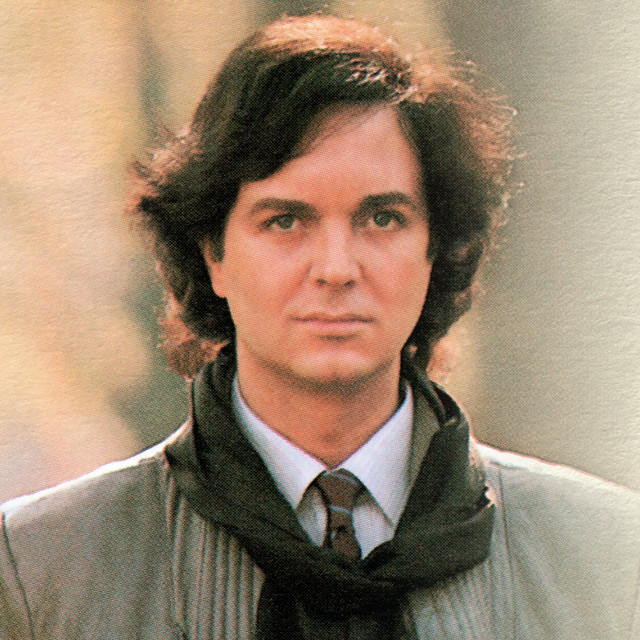
Camilo Sesto
Bolero
Ballad
Canción Melódica
4
/5
Leonardo Favio
Canción Melódica
Bolero
Ballad
3
/5
Armando Manzanero
Bolero
Canción Melódica
Trova
5
/5
Mon Laferte
Latin Alternative
Latin Pop
Latin Indie
Download our mobile app
Get the Melodigging app and start digging for new genres on the go
Download on the App Store
Get it on Google Play
© 2026 Melodigging
Give feedback
Legal
Melodding was created as a tribute to
Every Noise at Once
, which inspired us to help curious minds keep digging into music's ever-evolving genres.