Genres
Artists
Albums
Make Music
Sign in
Sign in
Artists
Gnawa
Artists
Gnawa
fra fra
2020
·
1 album
Listen
1
/5
Genres
Traditional Folk
Traditional folk is a broad umbrella for orally transmitted songs and dance tunes that circulated in rural and working-class communities before the age of mass recording. Repertoires include narrative ballads, laments, love songs, work songs, lullabies, and instrumental dance sets such as reels, jigs, hornpipes, and marches. Stylistically, traditional folk favors strophic forms, pentatonic or modal melodies (often Dorian and Mixolydian), limited harmonic movement, and strong, memorable tunes designed for communal singing and dancing. Performances range from unaccompanied solo voice to small ensembles built around fiddle, flute/whistle, pipes, concertina/accordion, guitar, banjo, and frame drum. Ornamentation, variation by verse, and flexible tempo are integral, reflecting an oral tradition where songs live through continual reinterpretation. Although it is pan‑regional, the modern idea of “traditional folk” coalesced in the 19th century through collectors and revivalists who documented vernacular music and framed it as cultural heritage.
Discover
Listen
Gnawa
Gnawa is a spiritual, trance-based music of Morocco associated with the Gnawa brotherhoods, a community with roots in sub‑Saharan Africa and Sufi Islam. It centers on a deep, percussive bass lute called the guembri (also known as sintir or hajhuj), the bright metallic clatter of iron castanets (qraqeb/krakebs), unison handclaps, and call‑and‑response vocals. Performances often unfold in an all‑night ritual called a lila (derdeba), where cyclical 6/8 grooves and repetitive chants invite communal participation and induce a trance state. The repertoire invokes saints and ancestral spirits (mluk), moving through color-coded suites and intensifying rhythmic layers. While firmly rooted in West African rhythmic sensibilities, Gnawa also absorbs Maghrebi and Sufi aesthetics, producing a sound that is both devotional and intensely groove‑driven.
Discover
Listen
Dagomba Music
Dagomba music is the traditional music of the Dagbamba (Dagomba) people of northern Ghana. It centers on a sophisticated court-and-community drumming culture performed by hereditary drummer-historians known as lunsi. Its core instruments are the hourglass tension "talking drum" (lunga/lunna) and the cylindrical bass drum (gung-gong/gungon), often supported by iron bells and rattles, voice, and occasionally the one-string fiddle (gonje). The lead talking drum "speaks" praise names and historical texts in the tones and rhythms of the Dagbani language, guiding dancers and the ensemble. Rhythmically, Dagomba music is polyrhythmic and cyclical, moving between 12/8 and 4/4 feels with dense cross-rhythms, off-beat phrasing, and cue-based breaks. It accompanies important social and ritual events—chiefly festivals (e.g., Damba), processions, royal ceremonies, and popular dances such as Baamaaya and Takai—where music, history, and dance are inseparable.
Discover
Listen
Albums
2020
1
/5
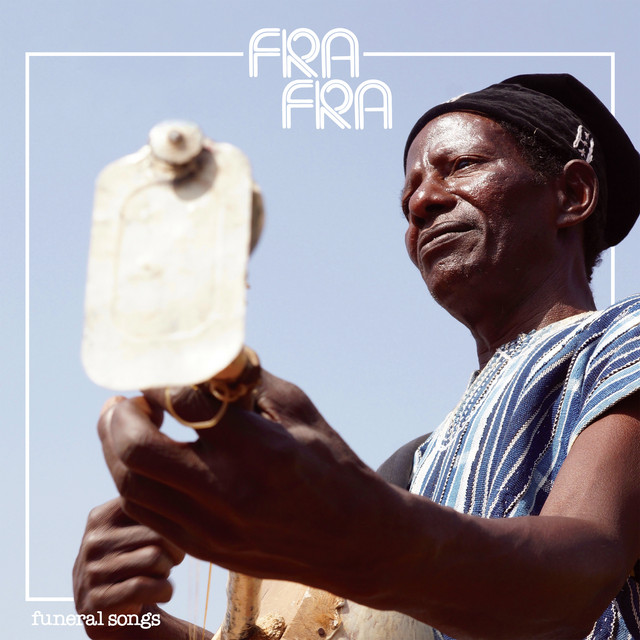
Funeral Songs
Fra Fra
Dagomba Music
Similar artists
1
/5
Hasna el Becharia
Gnawa
Algerian Chaabi
Moroccan Pop
1
/5
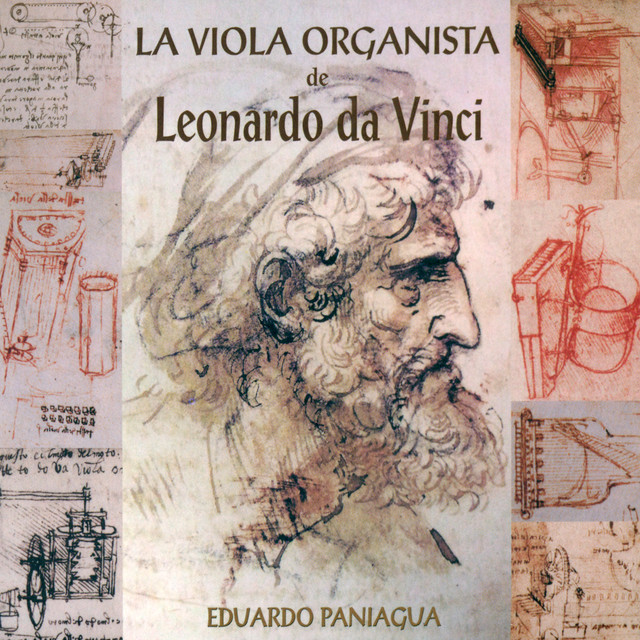
Música Antigua
Gnawa
Medieval
Traditional Folk
1
/5
Bachir Attar
Gnawa
Traditional Folk
1
/5
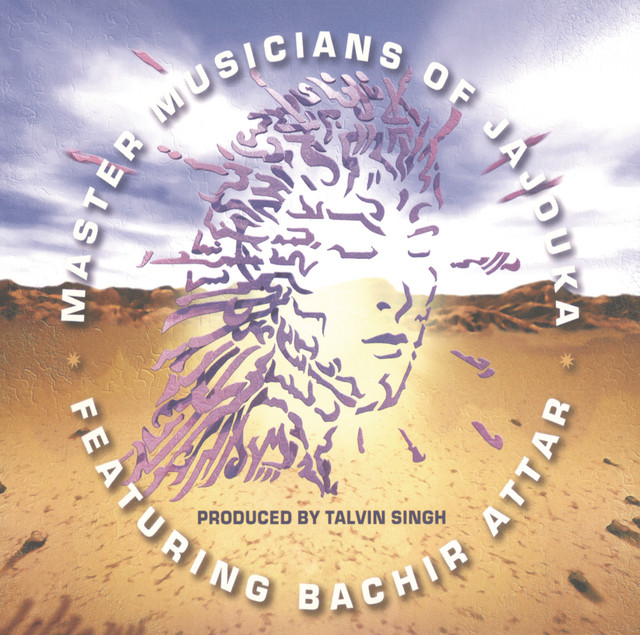
The Master Musicians Of Jajouka
Arabic Folk Music
Gnawa
Spoken Word
1
/5
Houria Aichi
Algerian Chaabi
Gnawa
Traditional Folk
1
/5
Bata ensemble of Pobè, Benin
Gnawa
Traditional Folk
Traditional Music
1
/5
Bata ensemble of Sakété, Benin
Gnawa
Traditional Folk
Traditional Music
1
/5
Bedouin Musicians
Gnawa
Traditional Folk
Traditional Music
1
/5
Various Artists
Afro-Funk
Alternative Rock
Ambient
4
/5
Khaled
Raï
Pop Raï
Classic Arab Pop
Download our mobile app
Get the Melodigging app and start digging for new genres on the go
Download on the App Store
Get it on Google Play
© 2026 Melodigging
Give feedback
Legal
Melodding was created as a tribute to
Every Noise at Once
, which inspired us to help curious minds keep digging into music's ever-evolving genres.