Genres
Artists
Albums
Make Music
Sign in
Sign in
Artists
Folk
Artists
Folk
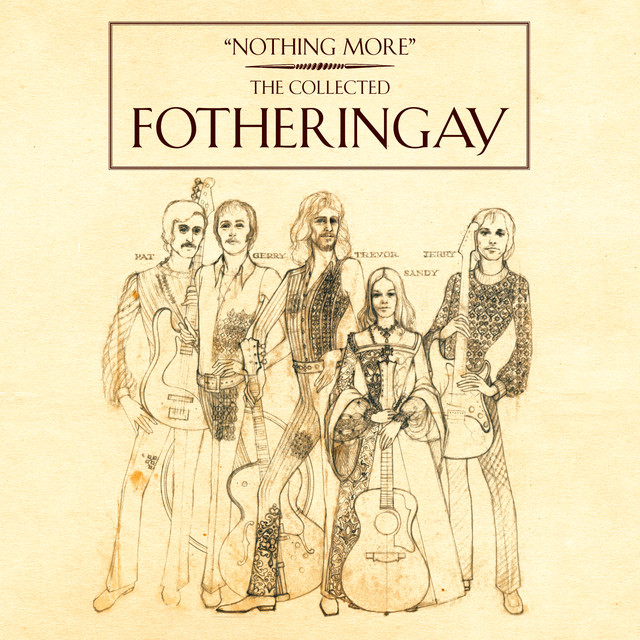
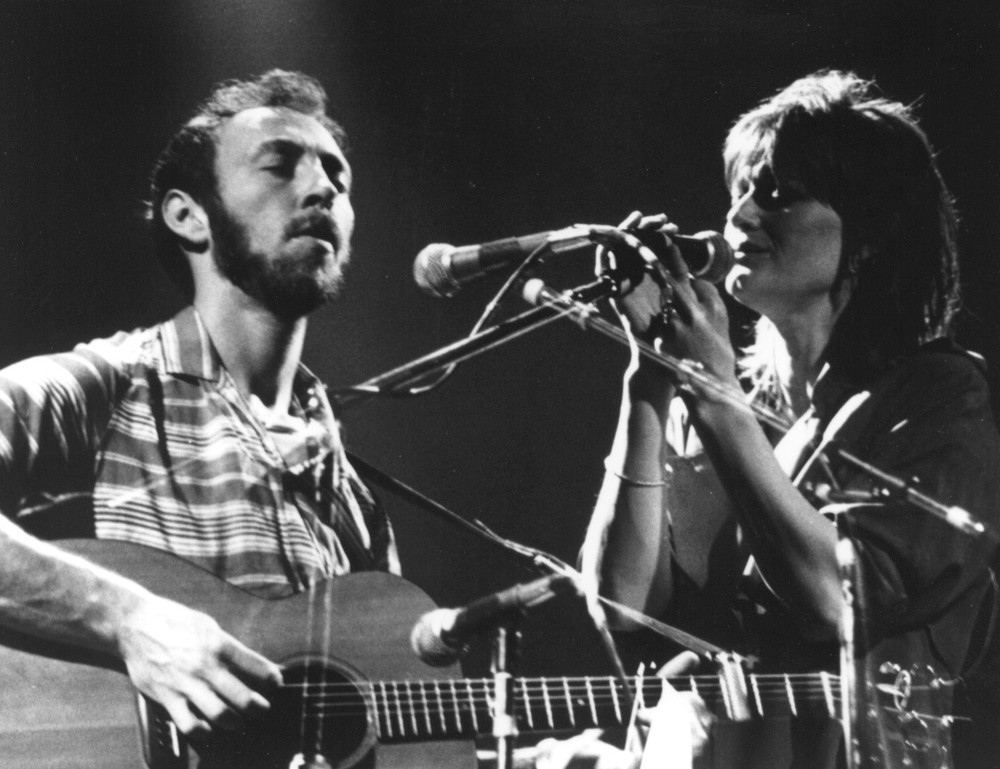
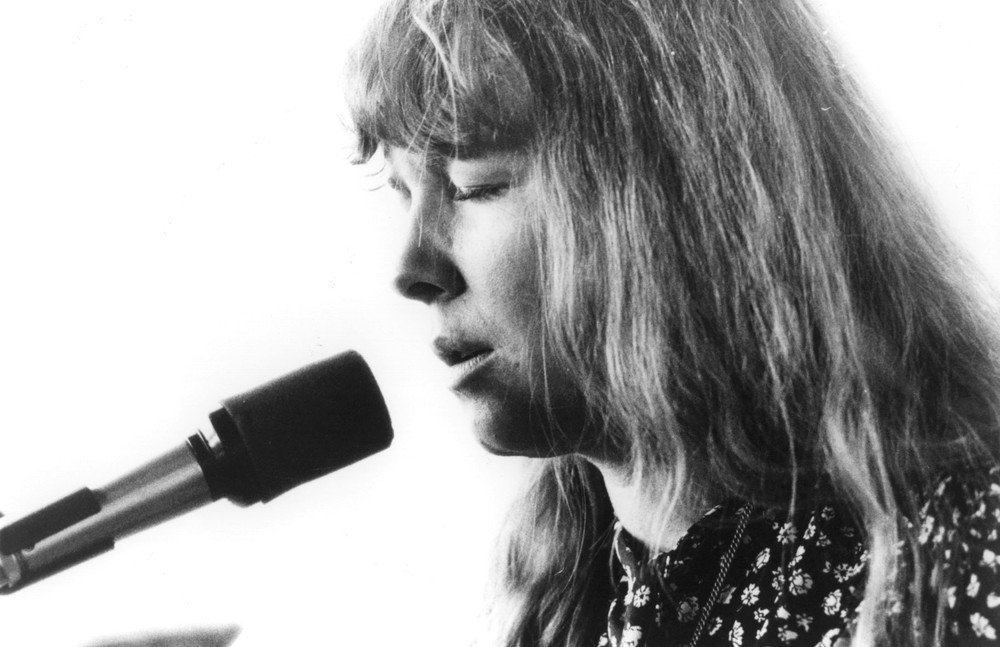
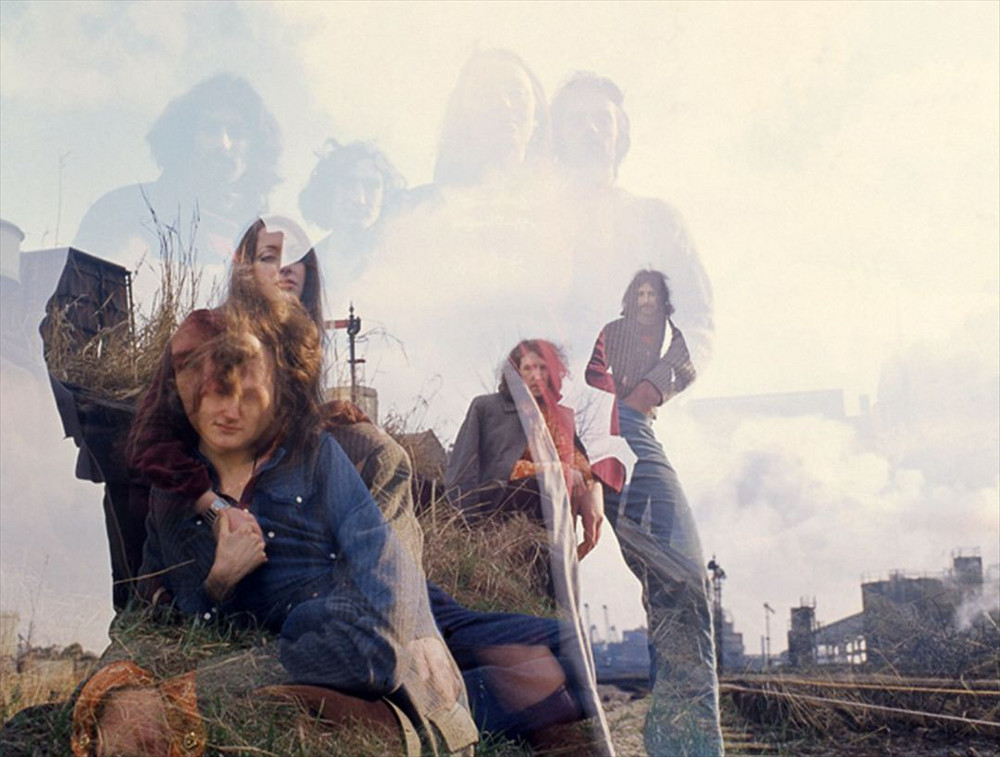
Fotheringay
1970
·
1 album
Listen
2
/5
Genres
Folk Rock
Folk rock is a fusion genre that blends the narrative lyricism, modal melodies, and acoustic timbres of traditional folk with the backbeat, amplification, and song structures of rock. It typically pairs acoustic or traditional instruments (acoustic guitar, mandolin, fiddle) with a rock rhythm section (electric guitar, bass, drums), often featuring chiming 12‑string guitar textures, close vocal harmonies, and socially conscious or storytelling lyrics. The result ranges from intimate, reflective ballads with a steady backbeat to more anthemic, roots‑driven rock. Emerging in the mid‑1960s through artists such as Bob Dylan and The Byrds, folk rock became a gateway for traditional and roots materials to enter mainstream popular music, and it seeded later movements from country rock and Americana to jangle pop and modern indie folk.
Discover
Listen
British Folk Rock
British folk rock fuses the melodies, modes, and narratives of traditional music from the British Isles with the amplified rhythm section and songcraft of rock. Characterized by electric arrangements of ballads, jigs, and reels, the style preserves modal folk melodies (often Dorian and Mixolydian) while introducing drum kit backbeats, bass guitar foundations, and electric/steel-string guitar textures. Fiddle, mandolin, concertina, whistle, and later the octave mandolin/bouzouki sit alongside rock instrumentation, creating a sound that is earthy yet powerful. The genre came into focus at the turn of the 1970s, most famously with Fairport Convention’s Liege & Lief, which set a template for electrified versions of Child Ballads and tune sets. British folk rock balances storytelling steeped in history and myth with rock dynamics, delivering music that can be both dance-driven and contemplative.
Discover
Listen
Second British Folk Revival
The Second British Folk Revival was a mid-20th-century resurgence of interest in traditional song and dance music of the British Isles. Emerging in the years after World War II, it drew on field-collecting, scholarship, and a growing network of folk clubs to bring ballads, sea songs, and dance tunes back into contemporary performance. By the late 1960s and early 1970s, the movement broadened from unaccompanied singing and acoustic ensembles to "electric folk" (or British folk rock), as bands adapted traditional repertoire with drum kits and amplified instruments. Its peak arrived in the early-to-mid 1970s, after which its mainstream visibility faded, though the repertoire, techniques, and community structures it fostered have remained foundational for later folk, singer-songwriter, and indie-folk scenes.
Discover
Listen
Folk
Folk is a song-centered acoustic tradition rooted in community storytelling, everyday life, and social history. It emphasizes clear melodies, simple harmonies, and lyrics that foreground narrative, protest, and personal testimony. As a modern recorded genre, folk coalesced in the early-to-mid 20th century in the United States out of older ballad, work song, and rural dance traditions. It typically features acoustic instruments (guitar, banjo, fiddle, mandolin, harmonica), strophic song forms, and participatory singing (choruses, call-and-response).
Discover
Listen
Traditional Folk
Traditional folk is a broad umbrella for orally transmitted songs and dance tunes that circulated in rural and working-class communities before the age of mass recording. Repertoires include narrative ballads, laments, love songs, work songs, lullabies, and instrumental dance sets such as reels, jigs, hornpipes, and marches. Stylistically, traditional folk favors strophic forms, pentatonic or modal melodies (often Dorian and Mixolydian), limited harmonic movement, and strong, memorable tunes designed for communal singing and dancing. Performances range from unaccompanied solo voice to small ensembles built around fiddle, flute/whistle, pipes, concertina/accordion, guitar, banjo, and frame drum. Ornamentation, variation by verse, and flexible tempo are integral, reflecting an oral tradition where songs live through continual reinterpretation. Although it is pan‑regional, the modern idea of “traditional folk” coalesced in the 19th century through collectors and revivalists who documented vernacular music and framed it as cultural heritage.
Discover
Listen
British Music
British music is an umbrella term for the musical traditions and innovations that emerged from the United Kingdom, spanning folk, sacred, classical, and popular forms. Rooted in medieval and Renaissance church and court music, it absorbed Celtic and English folk traditions, later contributing decisively to Western classical repertoire and, in the 20th century, to globally dominant popular styles. From madrigals and cathedral choirs to the symphonic works of Purcell, Elgar, and Britten—and from skiffle and the British Invasion to punk, metal, electronic dance music, and grime—British music emphasizes melody, lyrical storytelling, and a spirit of hybridization. In popular culture, Britain repeatedly catalyzed world trends: the 1960s beat and rock explosion, 1970s hard rock and heavy metal, late-1970s punk and post-punk, 1980s synth-pop and new wave, 1990s Britpop and electronic subcultures, and 2000s–present urban and club styles like grime, drum and bass, and UK drill.
Discover
Listen
Albums
1970
2
/5
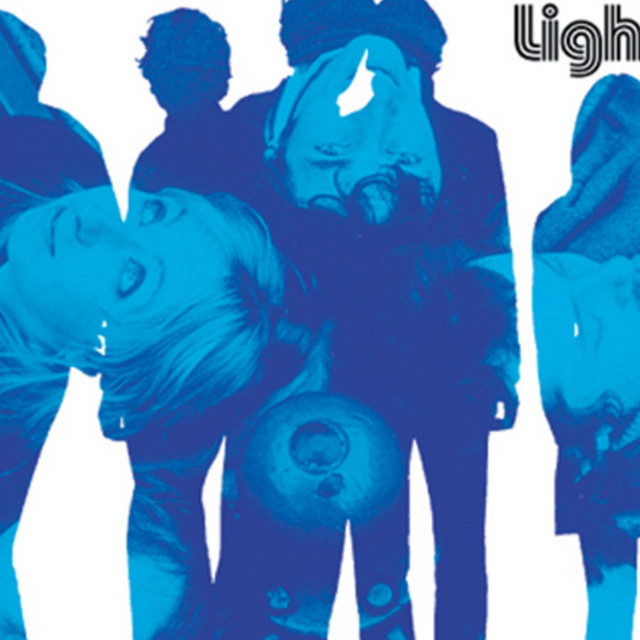
Fotheringay
Fotheringay
British Folk Rock
British Music
Second British Folk Revival
Similar artists
3
/5
Fairport Convention
Folk Rock
Folk
Traditional Folk
2
/5
Bert Jansch
Folk
Folk Rock
Folk Baroque
2
/5
Steeleye Span
British Folk Rock
Folk
Folk Rock
2
/5
Pentangle
Folk
Folk Baroque
Folk Rock
2
/5
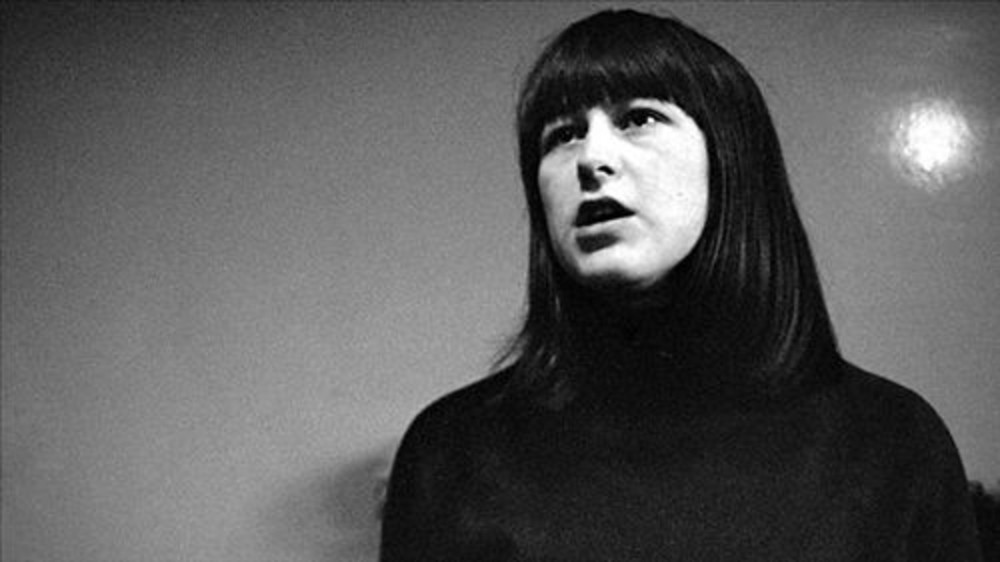
Lal Waterson
Folk
Folk Rock
Traditional Folk
1
/5
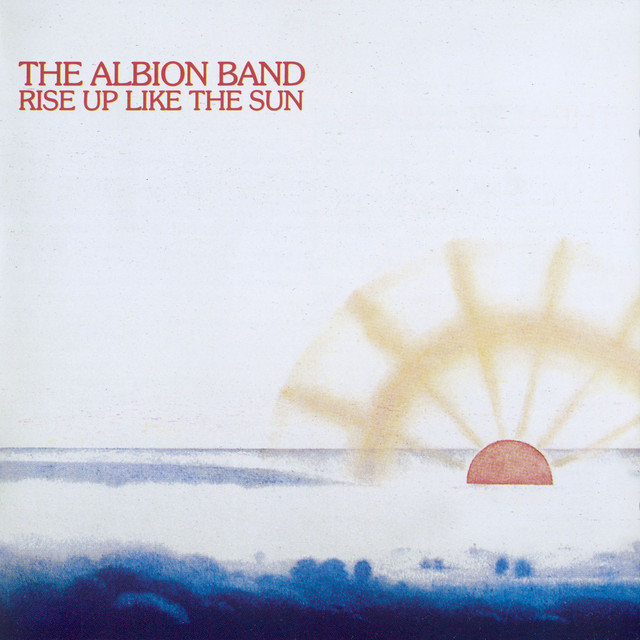
The Albion Band
Folk
Folk Rock
Traditional Folk
3
/5
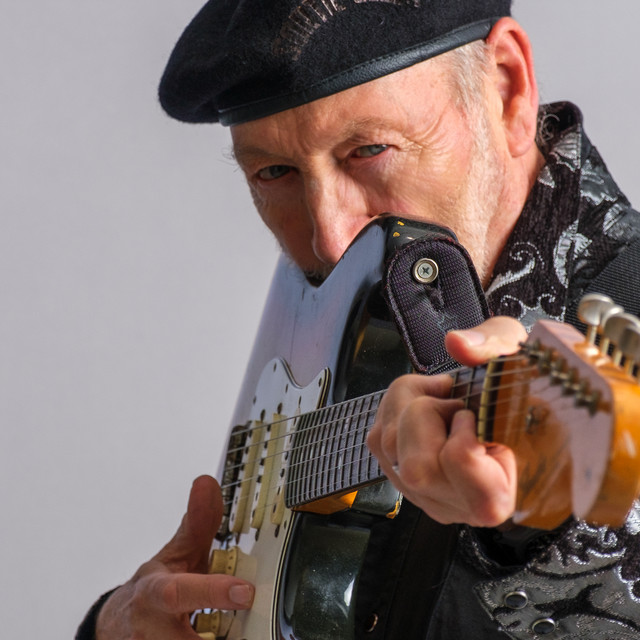
Richard Thompson
Folk
Folk Rock
British Folk Rock
2
/5
Richard & Linda Thompson
Folk
Folk Rock
Second British Folk Revival
2
/5
Sandy Denny
Folk Rock
British Folk Rock
British Music
2
/5
Trees
British Folk Rock
British Music
English Underground
Download our mobile app
Get the Melodigging app and start digging for new genres on the go
Download on the App Store
Get it on Google Play
© 2026 Melodigging
Give feedback
Legal
Melodding was created as a tribute to
Every Noise at Once
, which inspired us to help curious minds keep digging into music's ever-evolving genres.