Genres
Artists
Albums
Make Music
Sign in
Sign in
Artists
Desi Pop
Artists
Desi Pop
Euphoria
Listen
2
/5
Genres
Indian Indie
Indian indie is the umbrella for independent, non-film music made in India across languages such as Hindi, English, and numerous regional tongues. It is defined more by its DIY production and artist-led release model than by a single sound. Musically, it spans indie pop and rock, folk-fusion, singer‑songwriter ballads, dream‑pop/shoegaze textures, and electronic‑leaning productions. Artists often blend Western harmony and song forms with raga‑tinged melodies, Indian rhythmic feels, and occasional use of traditional instruments like tabla, bansuri, or sitar. The scene grew rapidly with college festivals, small venues, and digital platforms (YouTube, streaming services, Bandcamp), plus boutique labels and festivals such as NH7 Weekender that created national visibility. Lyrically, it tends to be intimate and contemporary—touching on romance, urban life, identity, and nostalgia—while maintaining accessible hooks and warm, organic sonics.
Discover
Listen
Hindi Indie
Hindi indie is a contemporary Indian independent music movement in which artists write and release primarily Hindi-language songs outside the traditional Bollywood film system. It blends the intimate storytelling of singer-songwriters with the textures of indie folk, alternative rock, and mellow pop, often presented with understated, DIY production. Sonically, the style favors acoustic guitars, light percussion, piano, and atmospheric synths, with warm, close-miked vocals that foreground lyrics. Thematically, Hindi indie tends toward introspective and romantic subjects, urban coming‑of‑age narratives, and everyday imagery expressed in colloquial Hindi (often seasoned with Urdu vocabulary). The result is a relatable, low-key aesthetic that contrasts with the scale and spectacle of mainstream film music.
Discover
Listen
Desi Pop
Desi pop is a broad umbrella of South Asian popular music that blends Western pop songwriting and production with Indian, Pakistani, Bangladeshi and diasporic sensibilities. It foregrounds catchy melodies, verse–pre-chorus–chorus structures, and contemporary electronic production while borrowing vocal ornamentation, rhythms, and instruments from regional traditions (e.g., Punjabi dhol, tumbi, tabla, sitar). Lyrics commonly mix Hindi/Urdu/Punjabi (often with Hinglish), and themes range from romance and nostalgia to dancefloor celebration. The sound spans glossy dance‑pop, R&B‑tinged ballads, and bhangra‑inflected club tracks, often overlapping with Bollywood but existing independently of film.
Discover
Listen
Indie Pop
Indie pop is a melodic, DIY-rooted branch of alternative music that blends the immediacy of pop songwriting with the independence and aesthetics of underground scenes. It typically features jangly, clean-toned guitars, tuneful bass lines, compact song structures, and intimate, literate lyrics that balance sweetness with subtle melancholy. The sound often leans toward bright chord progressions, earworm choruses, and understated production, favoring charm and personality over gloss. Culturally, indie pop is tied to small labels, fanzines, and community radio, with influential scenes and imprints such as Postcard, Sarah, and Creation laying the groundwork for its global diffusion.
Discover
Listen
Indian Pop
Indian pop (often called Indi-pop or I-pop) is pop music created in India outside of film soundtracks. It adapts Western pop and rock songcraft—catchy choruses, verse–chorus forms, synths, drum machines—to South Asian melodic and rhythmic sensibilities, drawing on Hindustani and Carnatic ornamentation, regional folk grooves, and urban club production. While closely linked to Bollywood, Tollywood, Kollywood and the UK’s Asian Underground scenes, its defining trait is independence from cinema: artists release singles and albums marketed on TV, radio, and—today—streaming/video platforms. Lyrics are usually in Hindi, Urdu, or Bengali (often mixing Hinglish), but Punjabi, Tamil, and other Indian languages appear too, reflecting a pan‑Desi pop ecosystem spanning India, Pakistan, and Bangladesh.
Discover
Listen
Sufi
Sufi is a devotional musical tradition rooted in Islamic mysticism that seeks to induce remembrance of the Divine (dhikr) and transport performers and listeners toward spiritual ecstasy (wajd). It is not a single uniform style, but a family of practices that vary across regions—most notably Persian/Iranian, Anatolian/Turkish (Mevlevi), Arab, and South Asian (qawwali, kafi). Musically, Sufi repertoire tends to revolve around repetitive, mantra-like refrains, call-and-response between lead and chorus, and gradual intensification over cyclical rhythms. Melodic language draws from regional modal systems such as the Persian dastgāh, Ottoman/Turkish makam, and South Asian raga, and is often supported by drones. Texts are central: poetry by mystic masters like Rumi, Hafez, Bullhe Shah, and Amir Khusrau is sung in Persian, Urdu, Punjabi, Arabic, Turkish, and other languages. Instrumentation varies by locale—harmonium, tabla/dholak, tanpura, and clapping in South Asia; ney, kudüm, bendir, and tanbur in Turkey; oud and frame drums across the Arab world—yet the unifying aim is spiritual uplift and inner transformation.
Discover
Listen
Similar artists
3
/5
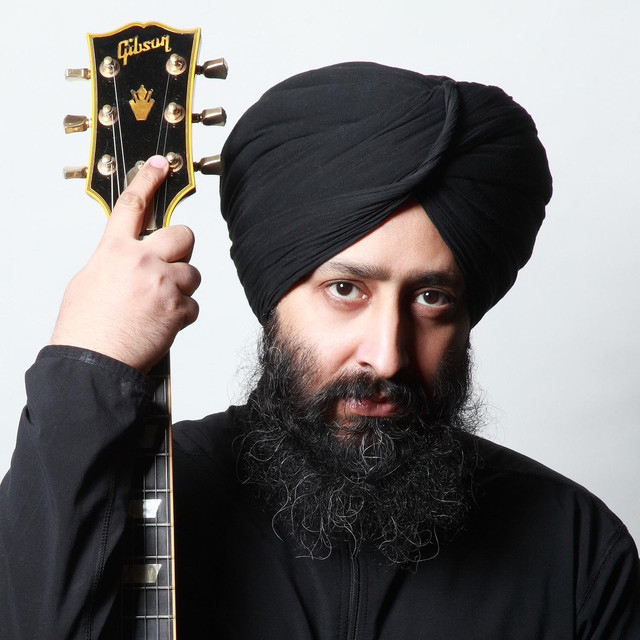
Rabbi Shergill
Desi Pop
Indian Indie
Sufi
3
/5
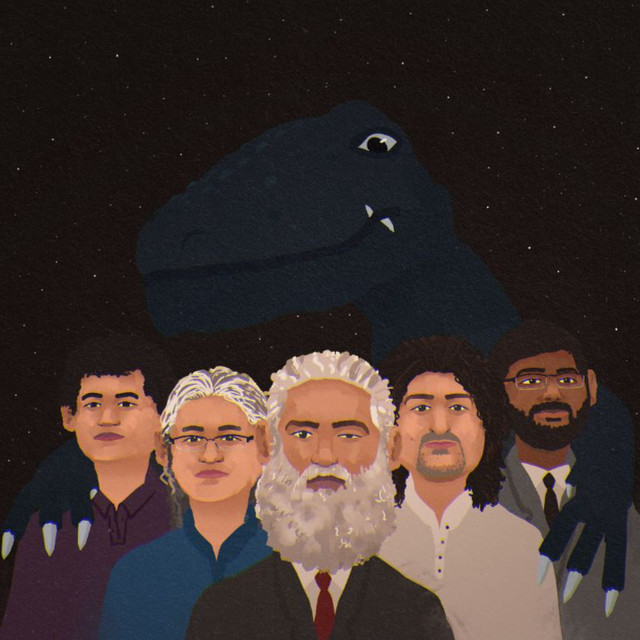
Indian Ocean
Desi Pop
Hindi Indie
Indian Indie
5
/5
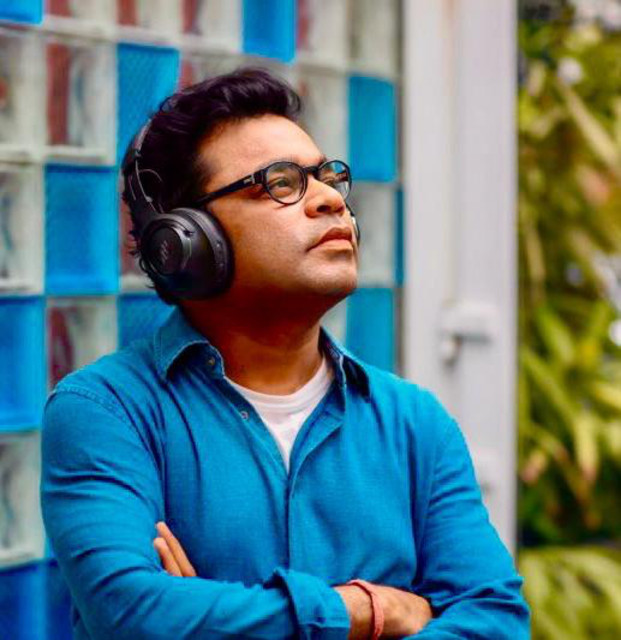
A.R. Rahman
Bollywood
Filmi
Sufi
4
/5
Asim Azhar
Desi
Indian Indie
Sufi
2
/5
Bombay Vikings
Desi Pop
Hindi Indie
Indian Indie
2
/5
Sadu
Desi Pop
Hindi Indie
Indian Indie
2
/5
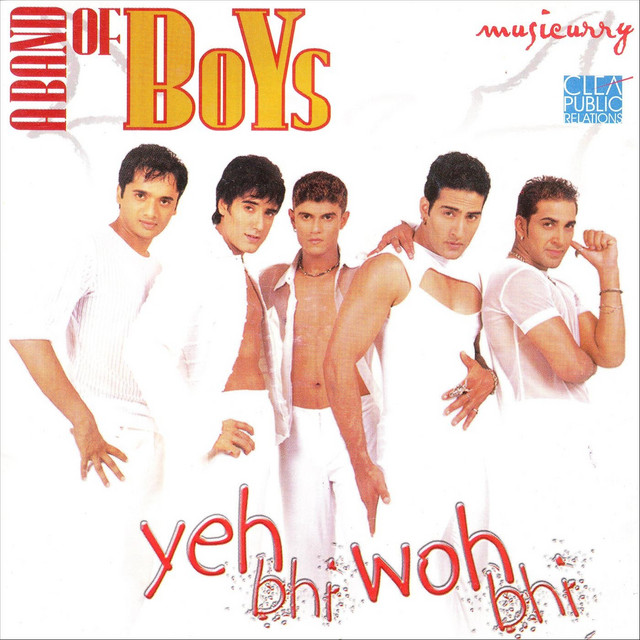
A Band Of Boys
Desi Pop
Hindi Indie
Indian Indie
2
/5
Colonial Cousins
Desi Pop
Hindi Indie
Indian Indie
2
/5
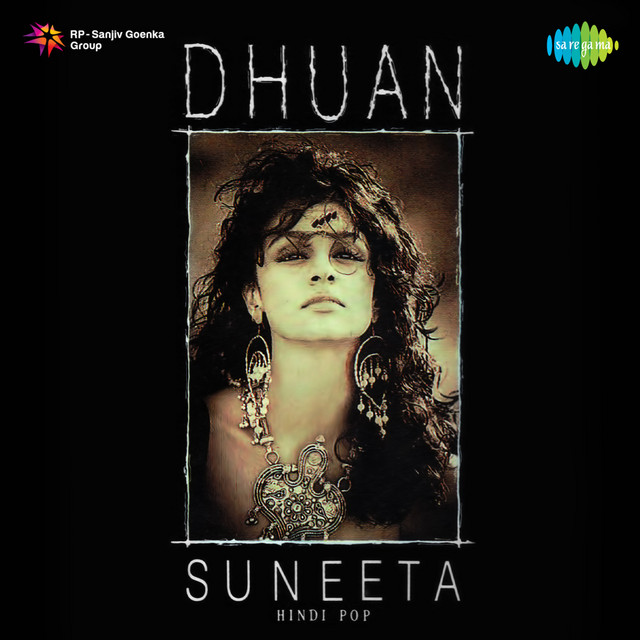
Suneeta Rao
Desi Pop
Garba
Indian Indie
2
/5
Fuzon
Desi Pop
Ghazal
Hindi Indie
Download our mobile app
Get the Melodigging app and start digging for new genres on the go
Download on the App Store
Get it on Google Play
© 2026 Melodigging
Give feedback
Legal
Melodding was created as a tribute to
Every Noise at Once
, which inspired us to help curious minds keep digging into music's ever-evolving genres.