Genres
Artists
Albums
Make Music
Sign in
Sign in
Artists
Bachata
Artists
Bachata
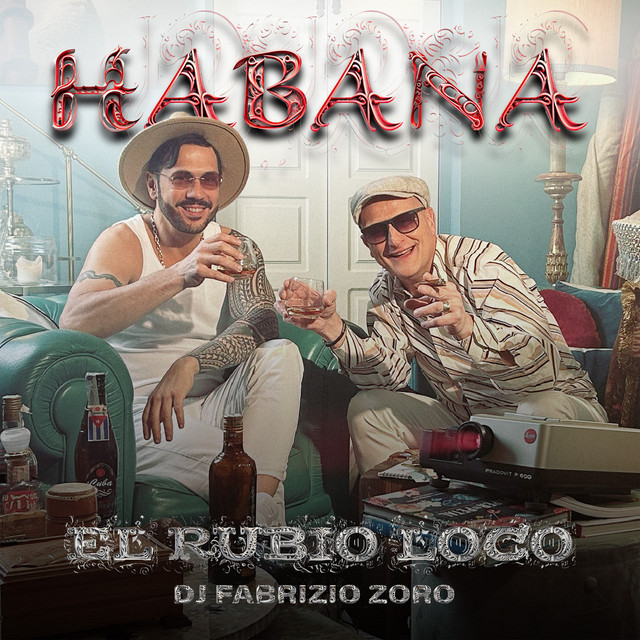
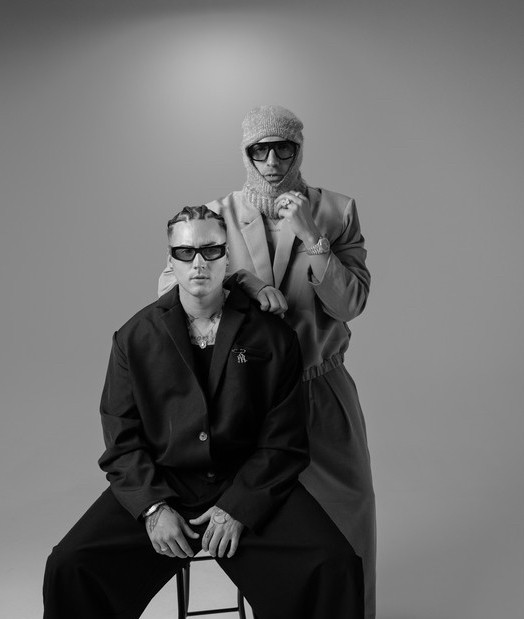
El Rubio Loco
Listen
2
/5
Genres
Latin Dance
Latin dance is a club- and radio-oriented pop/dance style that fuses contemporary electronic dance production with Latin and Caribbean rhythms. It typically blends four-on-the-floor house or Eurodance beats with syncopated percussion (congas, bongos, güira, timbales), horn stabs, montuno-style piano riffs, and call-and-response hooks. Vocals often switch between Spanish and English (Spanglish), and choruses are engineered for chant-along energy. Tempos commonly range from about 100–130 BPM, embracing grooves derived from salsa, merengue, cumbia, and later reggaeton, while keeping the bright synths, sidechain compression, and big drops of mainstream dance-pop. The result is music designed for social dancing, clubs, festivals, fitness classes, and cross‑over hit singles.
Discover
Listen
Timba
Timba is a high-energy Cuban dance-music genre that emerged in the 1990s, characterized by explosive rhythmic drive, complex arrangements, and a modern, urban attitude. It extends the lineage of son cubano and salsa by integrating songo’s drumset-driven groove, rumba’s rhythmic vocabulary, and jazz/funk harmony and horn writing. Hallmarks include gear changes (sudden shifts in groove and orchestration), tightly synchronized bloques (arranged hits and breaks), virtuosic piano tumbaos, aggressive bass lines that “gear up” and release tension, and call-and-response coros with streetwise soneos/rap interjections. Percussion sections typically blend congas, timbales, bongó, and a full drum kit, creating a polyrhythmic engine built around the clave while allowing dramatic rhythmic modulation.
Discover
Listen
Salsa
Salsa is a pan–Latin dance music forged primarily in New York City by Puerto Rican, Cuban, and other Caribbean diasporas. It synthesizes Afro‑Cuban rhythmic blueprints, Puerto Rican bomba and plena, jazz harmony, big‑band horn writing, and Nuyorican street culture into a tightly arranged yet improvisation‑friendly style. The music lives on the clave (either 2‑3 or 3‑2), with layered percussion (congas, bongó, timbales, cowbell, güiro, maracas), a tumbao bass that anticipates the beat, and piano montuno guajeos that interlock with the rhythm section. Call‑and‑response vocals (coro/pregón), punchy horn mambos and moñas, and instrumental solos energize the montuno section. Tempos range from medium to fast in 4/4, optimized for social dancing (commonly “on1” or “on2”). Across decades, salsa has branched into harder, percussion‑forward “salsa dura,” smoother “salsa romántica,” and regional scenes in Puerto Rico, Venezuela, and Colombia, while continuing to influence—and be influenced by—neighboring tropical and jazz idioms.
Discover
Listen
Chachachá
Chachachá is a Cuban dance‑music genre that emerged in early‑1950s Havana as a dancer‑friendly offshoot of danzón‑mambo. It is typically performed by charanga ensembles—flute and violins over piano, bass, güiro, and timbales—producing a light, elegant sonority distinct from the brass‑heavy mambo big bands. The groove is mid‑tempo with a clear, even pulse that supports the signature “cha‑cha‑chá” triple step heard in the dancers’ feet. Melodies are tuneful and diatonic, harmonies favor simple I–IV–V movements with occasional II–V turnarounds, and arrangements move from a lyrical cuerpo to a montuno section featuring coro‑pregón call‑and‑response, piano tumbao, and tasteful flute improvisations. The name “chachachá” is often traced to the shuffling sound of the dancers’ steps; composer‑violinist Enrique Jorrín simplified mambo syncopations to make the beat more square and intelligible, which helped the style spread worldwide through social and ballroom dance.
Discover
Listen
Bachata
Bachata is a romantic guitar-driven genre and social dance that took shape in the Dominican Republic. Its core sound features arpeggiated lead guitar figures (requinto), rippling accompaniment, and a gently propulsive rhythm section built on bongó and güira. Stylistically, bachata blends European (Spanish/bolero harmony and song form), African (percussion feel and call‑and‑response inflections), and Indigenous Taíno elements, mirroring the island’s cultural mosaic. The songs typically revolve around love, longing, heartbreak, and everyday life, delivered with a bittersweet, intimate tone. Musically it sits in 4/4, often mid‑tempo, with the lead guitar outlining chord arpeggios and ornaments (slides, trills, tremolo) over bolero-derived progressions. A companion partnered dance, also called bachata, evolved alongside the music and emphasizes close embrace, side‑to‑side steps, and a characteristic hip accent on beat four.
Discover
Listen
Similar artists
4
/5
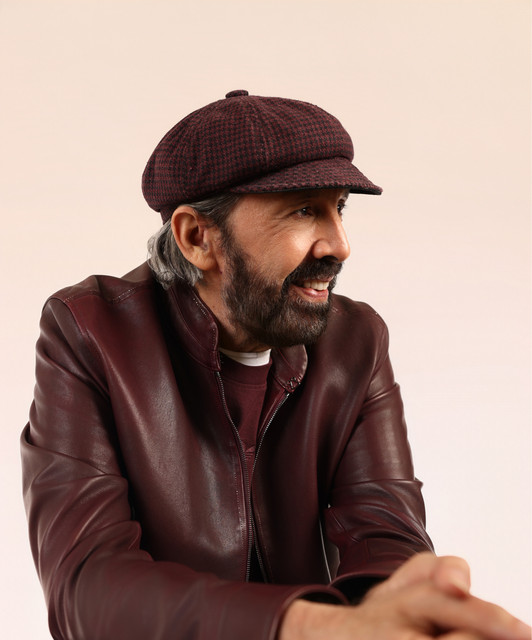
Juan Luis Guerra 4.40
Merengue
Bachata
Latin
4
/5
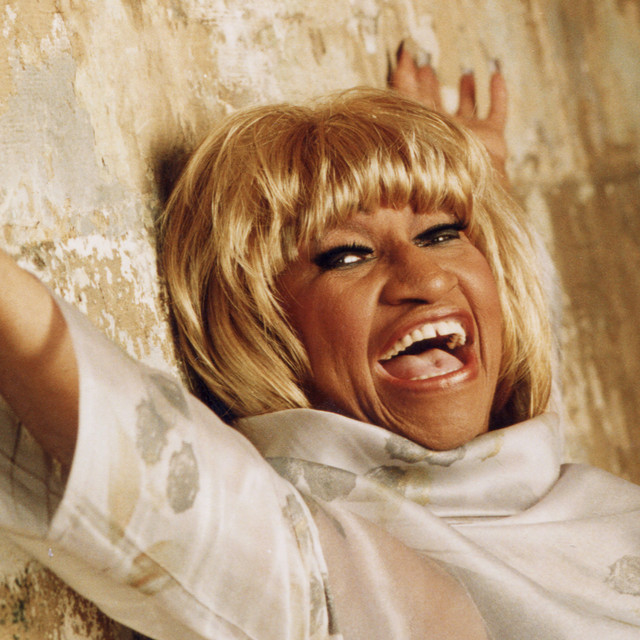
Celia Cruz
Latin Dance
Son Cubano
Mambo
3
/5
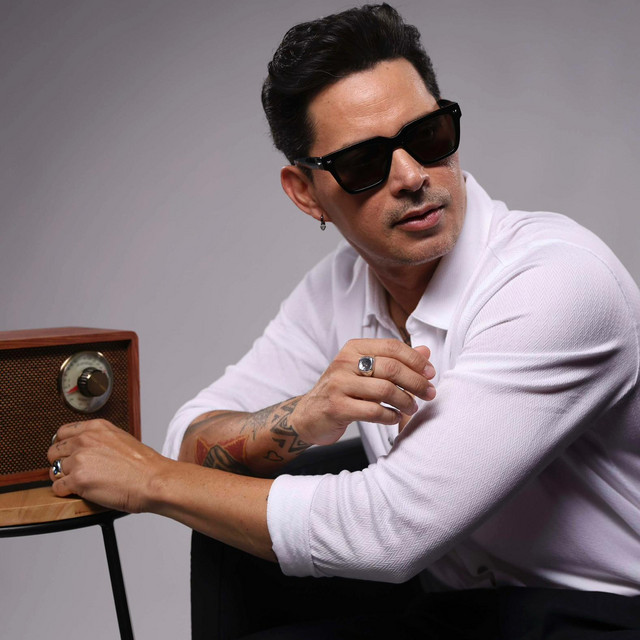
Leoni Torres
Son Cubano
Timba
Cubatón
3
/5
Nesty
Bachata
Reparto
Salsa
3
/5
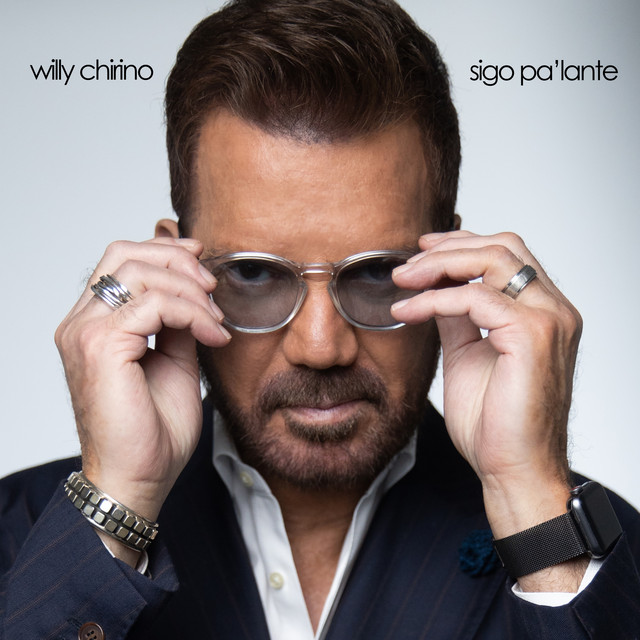
Willy Chirino
Electro Latino
Chachachá
Reparto
3
/5
Orquesta Failde
Bolero
Chachachá
Latin Jazz
3
/5
Huey Dunbar
Bachata
Merengue
Salsa
2
/5
Jimmy Bosch
Chachachá
Latin Jazz
Mambo
2
/5
Dj Ricky Campanelli
Bachata
Mambo
Salsa
2
/5
Fabio Gianni
Chachachá
Latin Jazz
Mambo
Download our mobile app
Get the Melodigging app and start digging for new genres on the go
Download on the App Store
Get it on Google Play
© 2026 Melodigging
Give feedback
Legal
Melodding was created as a tribute to
Every Noise at Once
, which inspired us to help curious minds keep digging into music's ever-evolving genres.