Genres
Artists
Albums
Make Music
Sign in
Sign in
Artists
Candombe
Artists
Candombe
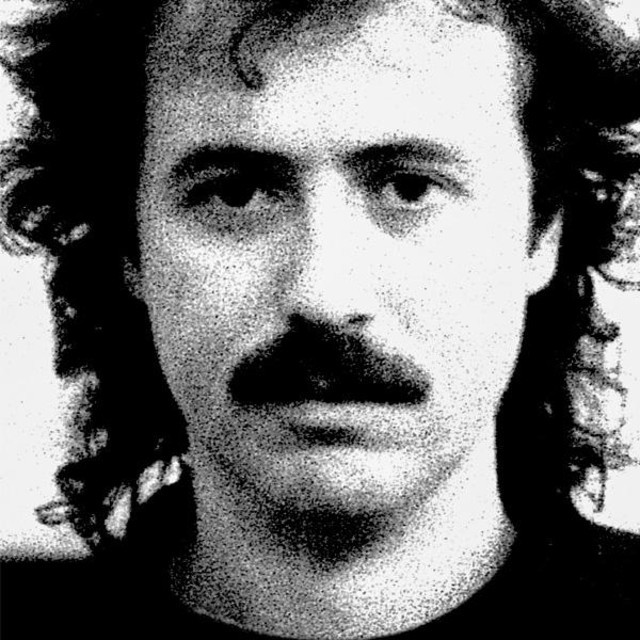
El Kinto
1977
·
1 album
Listen
2
/5
Genres
Candombe Beat
Candombe beat is a Uruguayan fusion style that blends the Afro‑Uruguayan candombe drum tradition with 1960s beat/rock, soul, funk, and jazz harmonies. It features the three traditional tambores (chico, repique, and piano) or their patterns emulated on drum set and percussion, layered under electric bass, guitar, vintage organs, and pop/rock vocals. Emerging in Montevideo at the height of the Beatlemania era, it reframed local Afro‑diasporic rhythm within contemporary song forms, producing a distinctly Rioplatense take on rock and soul that is both groove‑centric and melodically rich.
Discover
Listen
Murga
Murga is a carnival-rooted performance genre that blends choral singing, sharp social satire, and highly rhythmic street percussion. Typically presented by neighborhood troupes, it combines theatrical staging, elaborate costumes, and choreographed movement with a driving, snare-led groove. Although it has variants across the Hispanic world, murga is especially associated with the Río de la Plata region, where its sound crystallized into massed chorus, rapid-fire "cuplés" (satirical couplets), and set pieces that open (saludo) and close (retirada) each show. The tone ranges from festive and humorous to bitingly political, all delivered with bold vocal projection and call-and-response energy.
Discover
Listen
Rioplatense Music
Rioplatense music refers to the musical traditions that emerged around the Río de la Plata basin—centered on Buenos Aires (Argentina) and Montevideo (Uruguay). It blends Afro-Uruguayan rhythms, gaucho song forms, and a wide palette of European immigrant dances and salon styles into a distinctive urban sound. At its core are tango, milonga, and candombe, whose characteristic syncopations, bittersweet melodies, and expressive performance practices (rubato, arrastre, canyengue swing) embody the region’s cosmopolitan yet local identity. Typical ensembles feature bandoneón, violin, piano, double bass, and guitar, while rhythmic foundations often trace back to the Cuban habanera and Afro-Uruguayan drum patterns. Lyrics frequently use lunfardo (local slang) and dwell on love, longing, night life, migration, and urban nostalgia.
Discover
Listen
Candombe
Candombe is an Afro‑Uruguayan percussion tradition centered on the interplay of three barrel drums called tamboriles: chico (the high, time‑keeping drum), repique (the improvisatory, conversational drum), and piano (the deep, bass foundation). Played in a forward‑moving parade formation known as a cuerda de tambores, its groove is driven by a characteristic clave‑like timeline articulated on the shell (madera) and by the interlocking parts of the three drums. Beyond rhythm, candombe is a living cultural practice linked to Afro‑Uruguayan neighborhoods in Montevideo—especially Barrio Sur, Palermo, and Cordón—where comparsas (troupes) combine drummers, dancers, flag bearers, and emblematic characters (mamas viejas, gramilleros, and the escobero). While primarily percussive, modern song forms and fusions often add vocals, guitar, bass, and keyboards, projecting candombe into jazz, pop, and rock contexts while retaining its unmistakable swing and street‑parade energy.
Discover
Listen
Albums
1977
2
/5
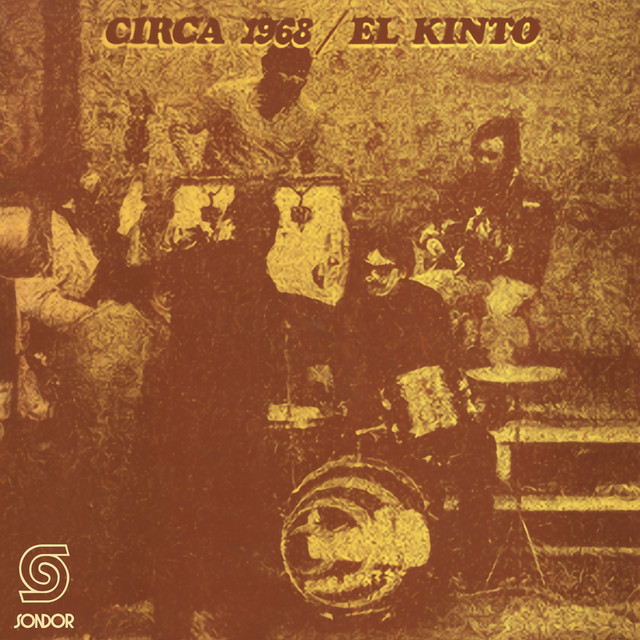
Circa 1968
El Kinto
Candombe Beat
Rioplatense Music
Similar artists
3
/5
Jaime Roos
Candombe
Murga
Rock
2
/5
Alberto Wolf
Candombe
Cuarteto
Murga
1
/5
Totem Uruguay
Latin Rock
Candombe Beat
Candombe
3
/5
Ruben Rada
Candombe
Murga
Candombe Beat
3
/5
Alfredo Zitarrosa
Milonga
Nueva Canción
Candombe
2
/5
Eduardo Mateo
Candombe
Bossa Nova
Murga
2
/5
Los Terapeutas
Candombe
Candombe Beat
Murga
1
/5
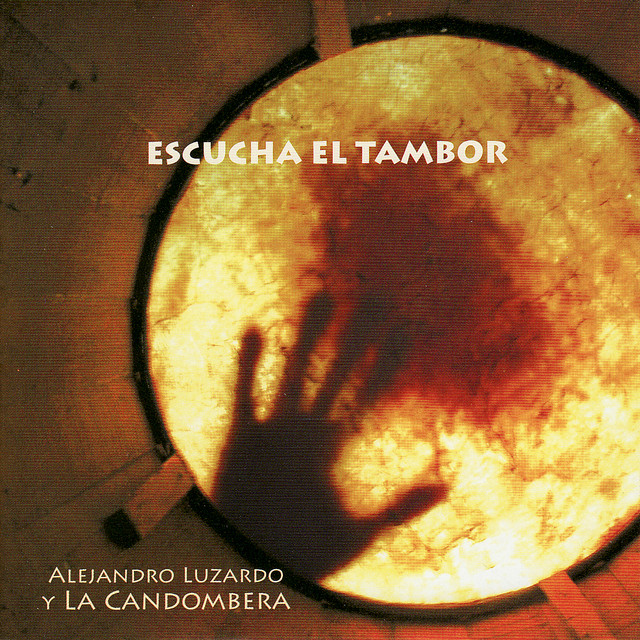
Alejandro Luzardo
Candombe
Candombe Beat
Murga
1
/5
La Candombera
Candombe
Candombe Beat
Murga
1
/5
Jorginho Gularte
Candombe Beat
Candombe
Murga
Download our mobile app
Get the Melodigging app and start digging for new genres on the go
Download on the App Store
Get it on Google Play
© 2026 Melodigging
Give feedback
Legal
Melodding was created as a tribute to
Every Noise at Once
, which inspired us to help curious minds keep digging into music's ever-evolving genres.