Genres
Artists
Albums
Make Music
Sign in
Sign in
Artists
Graphical Sound
Artists
Graphical Sound
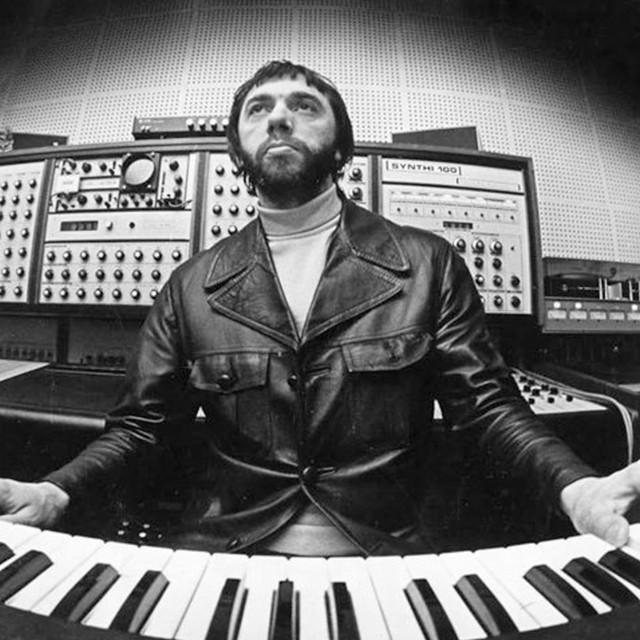
Eduard Artemyev
1969–1999
·
2 albums
Listen
2
/5
Genres
New Isolationism
New isolationism is a contemporary strain of isolationist ambient and post-industrial minimalism that emerged in the 2010s, particularly around Scandinavian experimental labels and studios. It foregrounds intimate, close-mic’d sound, negative space, and a quiet-but-present noise floor; its pieces feel both internal and architectural, like rooms built from reverb tails, tape hiss, and soft electronics. Sonically, the style blends glacial drones, fragile chamber timbres (strings, organ, piano), lo‑fi electronics, and field recordings into stark, slow-evolving tableaux. Melodic information is sparse—often only a few tones or gestures—while rhythm is either absent or reduced to distant pulses, heartbeats, or mechanical cycles. Vocals, when they appear, are murmured, diaristic, or abstracted by pitch and time manipulation. Aesthetically, new isolationism is post‑internet and diaristic: it captures solitude, memory, and dislocation with a palette that feels personal yet estranged, drawing as much from contemporary gallery sound practice as from classic dark ambient.
Discover
Listen
Sovietwave
Sovietwave is a retrofuturist microgenre of electronic music that blends the hazy, sample-based nostalgia of vaporwave with the analog synth palettes and cinematic sentiment of late–Cold War era soundtracks. It aims to evoke imagined futures and everyday atmospheres of the Soviet period through audio patina, archival voices, and melancholic, slow-moving harmonies. Typical tracks feature tape hiss, radio static, and excerpts from newsreels, educational films, or cosmonaut broadcasts, set against synth pads, simple drum programming, and minor-key progressions. The result is a bittersweet, dreamy sound that feels both distant and familiar—reconstructing a “lost future” through the sonic memory of the USSR and post-Soviet popular culture.
Discover
Listen
Techno
Techno is a four-on-the-floor, machine-driven form of electronic dance music that emerged in mid-to-late 1980s Detroit. It is characterized by steady 4/4 kick drums, repetitive and hypnotic rhythmic patterns, synthetic timbres, and an emphasis on texture, groove, and forward momentum over elaborate harmony. Producers typically use drum machines, sequencers, and synthesizers to build layered percussion, pulsing basslines, and evolving motifs. While often dark and minimalistic, techno spans a wide spectrum—from soulful, futuristic Detroit aesthetics to hard, industrially tinged European strains—yet it consistently prioritizes kinetic energy for dancefloors and a sense of machine futurism.
Discover
Listen
Graphical Sound
Graphical sound is an early electroacoustic technique and aesthetic in which audio is generated from drawings, stencils, or photographed shapes placed on optical film soundtracks. Instead of recording a vibrating source with a microphone, composers directly designed waveforms and spectra, then scanned them with optical readers to produce sound. Emerging in the Soviet Union and Germany, practitioners treated sound as visible geometry: curves set the waveform, patterns set the spectrum, and motion through time created phrasing and rhythm. The result ranges from pure tones and microtonal glissandi to dense, noise-like textures—predating and foreshadowing later tape, electronic, and spectral practices.
Discover
Listen
Soundtrack
Soundtrack is music created to accompany and enhance visual media such as film, television, and video games. It includes original scores (instrumental or vocal music composed specifically for the picture) and, at times, curated compilations of pre-existing songs. Stylistically, soundtrack is a meta-genre that can encompass orchestral symphonic writing, jazz, electronic and synth-driven textures, choral forces, popular song, and experimental sound design. Its defining trait is functional storytelling: themes, motifs, harmony, rhythm, and timbre are shaped by narrative needs, character psychology, pacing, and editing. Common features include leitmotifs for characters or ideas, modular cues that can be edited to picture, dynamic orchestration for dramatic range, and production approaches that sit well under dialogue and sound effects. Because it must synchronize to picture, soundtrack often uses clear dramatic arcs, tempo maps, and hit points.
Discover
Listen
Albums
1999
2
/5
Solaris, The Mirror, Stalker: Music From Motion Pictures
Eduard Artemyev Эдуард Артемьев
Graphical Sound
Soundtrack
1969
1
/5
ANS АНС
Eduard Artemyev Эдуард Артемьев
Graphical Sound
Similar artists
1
/5
Various Artists
Afro-Funk
Alternative Rock
Ambient
5
/5
Vishal-Shekhar
Bollywood
Filmi
Pop
4
/5
Peggy Gou
Float House
Electra
Electronic
3
/5
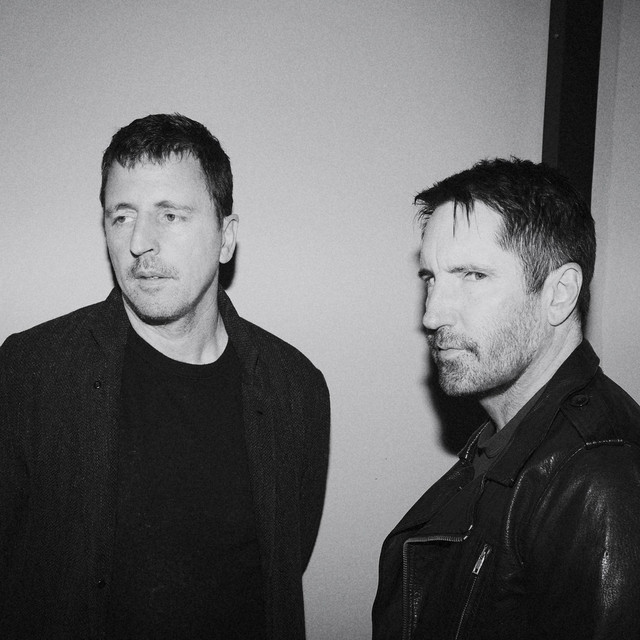
Trent Reznor and Atticus Ross
Soundtrack
Deep Soundtrack
Gaming Edm
4
/5
FISHER
Chill R&b
Deep Big Room
Deep Deep House
4
/5
Marlon Hoffstadt
Eurodance
Hard House
Trance
4
/5
Anyma
Melodic Techno
Dance
Electronic
4
/5
HOLY PRIEST
Hardcore Techno
Hard Techno
Tekno
4
/5
BENNETT
Techno
Covertronica
Deep Big Room
4
/5
Hardwell
Techno
Big Room House
Future Rave
Download our mobile app
Get the Melodigging app and start digging for new genres on the go
Download on the App Store
Get it on Google Play
© 2026 Melodigging
Give feedback
Legal
Melodding was created as a tribute to
Every Noise at Once
, which inspired us to help curious minds keep digging into music's ever-evolving genres.