Genres
Artists
Albums
Make Music
Sign in
Sign in
Artists
Nova Mpb
Artists
Nova Mpb
Dona Anicide
2024
·
1 album
Listen
1
/5
Genres
Nova Mpb
Nova MPB ("new Música Popular Brasileira") is a contemporary wave of Brazilian popular music that renews the classic MPB ethos with indie, electronic, neo‑soul, and modern pop production. Artists in this scene preserve the melodic richness, poetic lyricism, and rhythmic DNA of bossa nova and samba while embracing lo‑fi textures, synth pads, and intimate, close‑mic vocals. Compared to classic MPB, nova MPB tends to be more minimalist and bedroom‑studio friendly, favoring warm, analog‑leaning timbres and restrained grooves. Lyrics often blend romantic and introspective themes with snapshots of urban life, identity, and the everyday, delivered in Portuguese with a natural, conversational flow.
Discover
Listen
Traditional Folk
Traditional folk is a broad umbrella for orally transmitted songs and dance tunes that circulated in rural and working-class communities before the age of mass recording. Repertoires include narrative ballads, laments, love songs, work songs, lullabies, and instrumental dance sets such as reels, jigs, hornpipes, and marches. Stylistically, traditional folk favors strophic forms, pentatonic or modal melodies (often Dorian and Mixolydian), limited harmonic movement, and strong, memorable tunes designed for communal singing and dancing. Performances range from unaccompanied solo voice to small ensembles built around fiddle, flute/whistle, pipes, concertina/accordion, guitar, banjo, and frame drum. Ornamentation, variation by verse, and flexible tempo are integral, reflecting an oral tradition where songs live through continual reinterpretation. Although it is pan‑regional, the modern idea of “traditional folk” coalesced in the 19th century through collectors and revivalists who documented vernacular music and framed it as cultural heritage.
Discover
Listen
Batuque
Batuque (batuku in Cape Verdean Creole) is a traditional music-and-dance genre from Cape Verde, especially associated with the island of Santiago. It is communal, percussion-driven, and built around call-and-response singing led by an improvising soloist (the finaçon) and answered by a chorus of batukadeiras. The core sound comes from tightly interlocking handclaps, thigh-slaps using a rolled cloth (tchabeta), foot stomps, and, in modern settings, added hand drums and shakers. Cyclical grooves in a lilting 6/8 or 12/8 feel, social commentary, praise, playful satire, and storytelling define its aesthetic, while the dance forms a ring where participants take turns in expressive movements.
Discover
Listen
Cape Verdean Music
Cape Verdean music is the umbrella for the archipelago’s rich Creole soundworld, sung largely in Cape Verdean Kriolu and shaped by centuries of Atlantic exchange between West Africa, Portugal, and the Caribbean. It encompasses emblematic genres such as morna (slow, poetic, and deeply nostalgic), coladeira (lighter, witty, and danceable), funaná (fast, accordion‑driven grooves with the metallic ferrinho scraper), and batuque (communal, polyrhythmic call‑and‑response). Its melodies and harmonies blend European tonal songcraft with African rhythmic sensibilities, while instruments range from guitars, cavaquinho, violin, clarinet/saxophone, and accordion to hand percussion and ferrinho. Themes of saudade, migration, the sea, love, and everyday life run through the repertoire, giving Cape Verdean music an immediately recognizable balance of melancholy and uplift.
Discover
Listen
Jongo
Jongo is an Afro-Brazilian circle dance and song tradition from the coffee-growing heartlands of southeastern Brazil, especially the Paraíba Valley spanning Rio de Janeiro, São Paulo, and Minas Gerais. It is typically performed around a bonfire with two drums—the larger caxambu and the smaller candongueiro—driving interlocking rhythms while participants sing call-and-response verses known as pontos. Rooted in Central and West-Central African (Bantu) cultural memory brought by enslaved peoples, jongo blends ritual, poetry, dance, and social commentary. Dancers invite one another into the circle using the umbigada (a belly-to-belly gesture), and singers improvise metaphor-rich, often enigmatic lyrics that encode devotion, resistance, and wit. In some regions the practice is also called caxambu, reflecting local naming of the larger drum and the tradition itself. Beyond performance, jongo serves as an intergenerational archive for Afro-Brazilian communities, embodying ancestry, spirituality, and communal cohesion while maintaining a lively, dance-forward character.
Discover
Listen
Albums
2024
1
/5
Dona Anicide
Dona Anicide
Batuque
Jongo
Cape Verdean Music
Similar artists
1
/5
J. Velloso
Nova Mpb
Traditional Folk
Samba De Roda
1
/5
Jongo da Serrinha
Axé
Candombe
Samba
1
/5
Heitor dos Prazeres
Samba
Samba De Roda
Traditional Folk
1
/5
Ismael Rangel
Axé
Traditional Folk
Jongo
1
/5
Jongo do Vale do Café
Axé
Traditional Folk
Jongo
1
/5
Sussú
Traditional Folk
Jongo
1
/5
João Carolino
Traditional Folk
Jongo
Ponto De Umbanda
1
/5
Ntóni Denti d'Oro
Traditional Folk
Traditional Music
Batuque
3
/5
Mayra Andrade
Morna
Cape Verdean Music
Brazilian Trap
1
/5
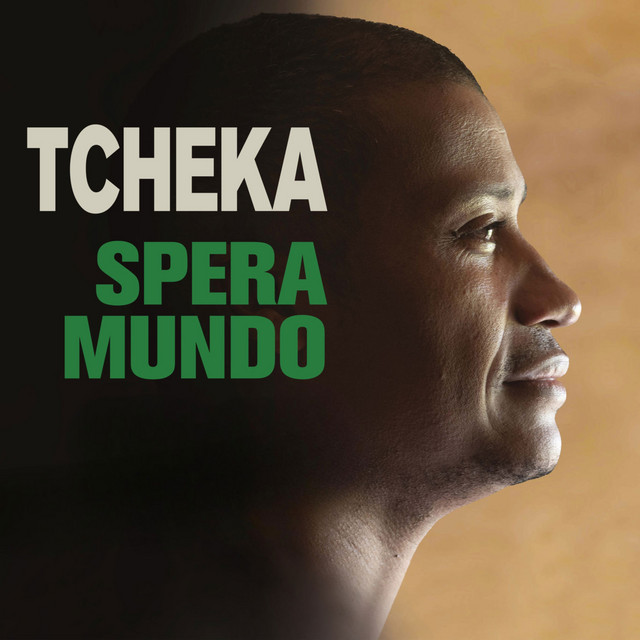
Tcheka
Batuque
Cape Verdean Music
Download our mobile app
Get the Melodigging app and start digging for new genres on the go
Download on the App Store
Get it on Google Play
© 2026 Melodigging
Give feedback
Legal
Melodding was created as a tribute to
Every Noise at Once
, which inspired us to help curious minds keep digging into music's ever-evolving genres.