Genres
Artists
Albums
Make Music
Sign in
Sign in
Artists
Bisrock
Artists
Bisrock
DJ Rowel
Listen
2
/5
Genres
Budots
Budots is a grassroots Philippine electronic dance music style that emerged from Davao City, known for its hyper-simple, high-energy beats and playful, DIY sound. Tracks are typically built in home setups using basic DAWs like FL Studio, relying on punchy four-on-the-floor kicks, off‑beat claps, buzzy saw leads, and squelchy bass riffs. The music is made to accompany the “budots” dance—loose, humorous freestyle moves popular at barangay (neighborhood) parties, street gatherings, and fiestas. Short vocal exclamations, whistles, sirens, and memes (often in Bisaya/Cebuano) are chopped into the mix, giving the music a street-level, celebratory feel. Culturally, budots reflects a democratized, community-first approach to club music: it spreads through YouTube, Bluetooth sharing, mobile speakers, tricycles, and jeepneys rather than formal club circuits. Its charm lies in its unapologetically raw, catchy, and fun character.
Discover
Listen
Bisrock
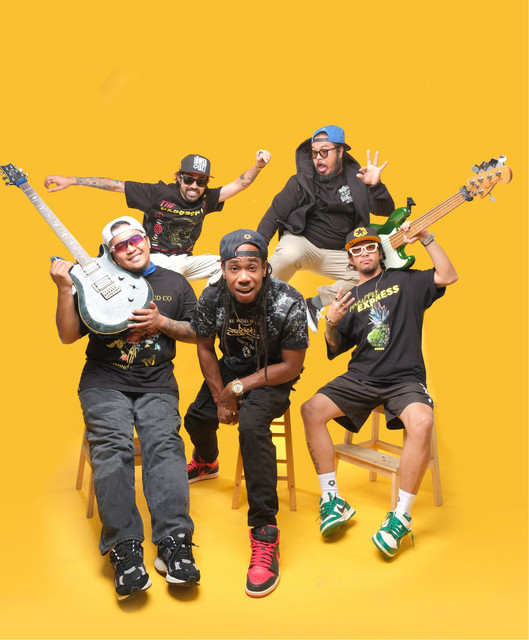
Bisrock is a Cebuano-language variant of Pinoy rock that emerged from the Cebu rock scene in the Philippines. The name blends “Bisaya” (referring to the Visayan languages, especially Cebuano) and “rock,” signaling a community-forward movement to make rock that speaks in the local tongue. Although bands were already performing Cebuano-language rock in the 1980s, the label “Bisrock” was popularized in 2002 by Cebuano writer Januar E. Yap, first attached to Missing Filemon’s debut. The scene resonated particularly with youth in the Visayas and Mindanao, championing regional identity through rock idioms ranging from alternative and punk to reggae-inflected grooves. Stylistically, Bisrock pairs familiar rock instrumentation and progressions with lyrics that foreground everyday Cebuano life, humor, romance, social commentary, and local pride. Its appeal was both musical and cultural: it normalized using Cebuano as a primary rock language and briefly became a visible regional movement during the 2000s.
Discover
Listen
Pinoy Hip Hop
Pinoy hip hop (Filipino hip hop) is the Philippines’ take on rap culture, blending the foundations of American hip hop with local languages, melodies, and storytelling traditions. Artists frequently switch between Tagalog and English ("Taglish"), as well as other Philippine languages (e.g., Cebuano, Ilocano), creating a conversational and culturally specific lyrical voice. Musically, the style spans classic boom-bap and G‑funk to contemporary trap and pop-rap. Producers often sample or interpolate OPM (Original Pilipino Music) ballads and love songs, mixing sentimental hooks with gritty verses. Thematically, Pinoy hip hop ranges from braggadocio and nightlife to social critique, diaspora identity, humor, and “hugot” (emotionally candid) storytelling. The genre is rooted in Manila’s dance and DJ culture but has grown nationally and within the diaspora. Battle rap culture—particularly the FlipTop league—has been a major force, foregrounding lyricism, multisyllabic rhyme schemes, and the debate-like tradition reminiscent of Balagtasan.
Discover
Listen
Similar artists
3
/5
Andrew E.
Budots
Opm
P-Pop
3
/5
Illest Morena
Budots
Opm
P-Pop
3
/5
Chocolate Factory
Bisrock
Opm
Pinoy Hip Hop
3
/5
Juan Caoile
Budots
Opm
P-Pop
3
/5
Kyleswish
Budots
Opm
P-Pop
3
/5
Vibes Tropa
Bisrock
Budots
Reggae
3
/5
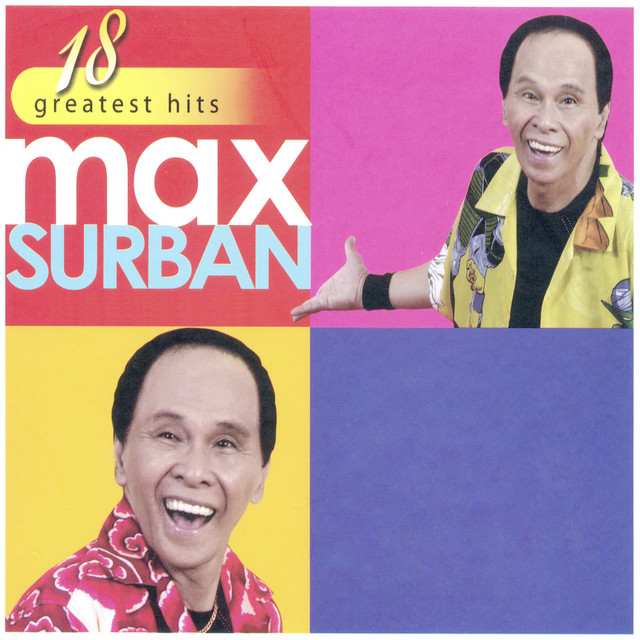
MAX SURBAN
Bisrock
Budots
Harana
3
/5
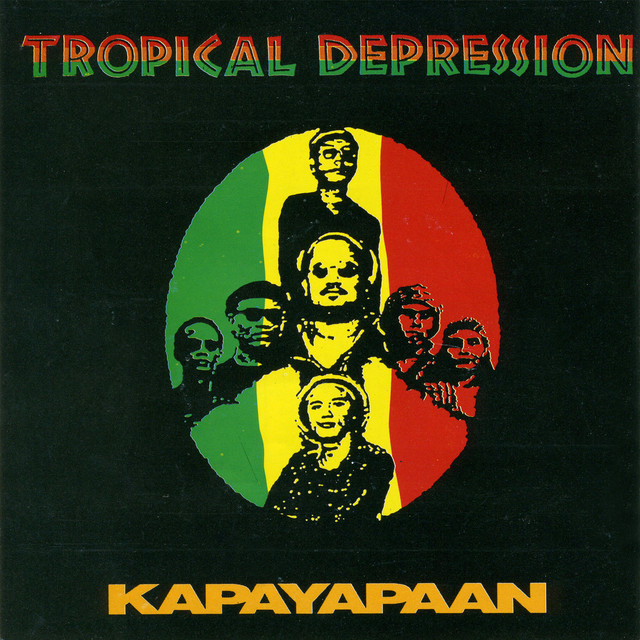
Tropical Depression
Bisrock
Budots
3
/5
TROPAVIBES
Bisrock
Budots
3
/5
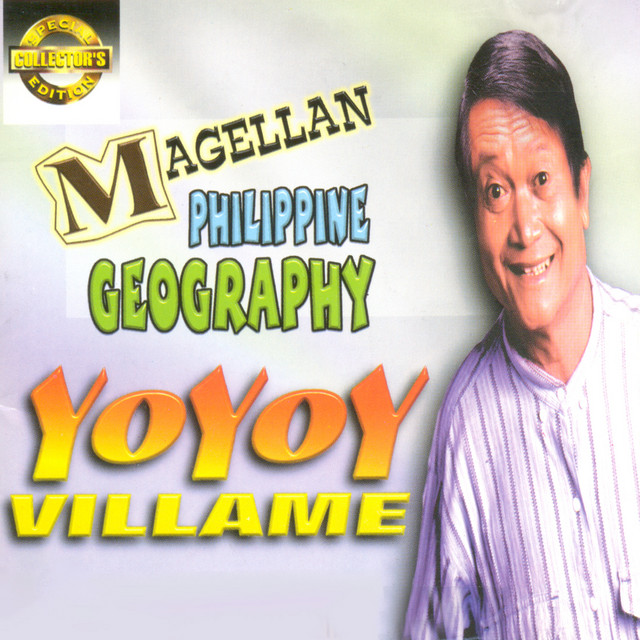
Yoyoy Villame
Bisrock
Budots
Harana
Download our mobile app
Get the Melodigging app and start digging for new genres on the go
Download on the App Store
Get it on Google Play
© 2026 Melodigging
Give feedback
Legal
Melodding was created as a tribute to
Every Noise at Once
, which inspired us to help curious minds keep digging into music's ever-evolving genres.