Genres
Artists
Albums
Make Music
Sign in
Sign in
Artists
Budots
Artists
Budots
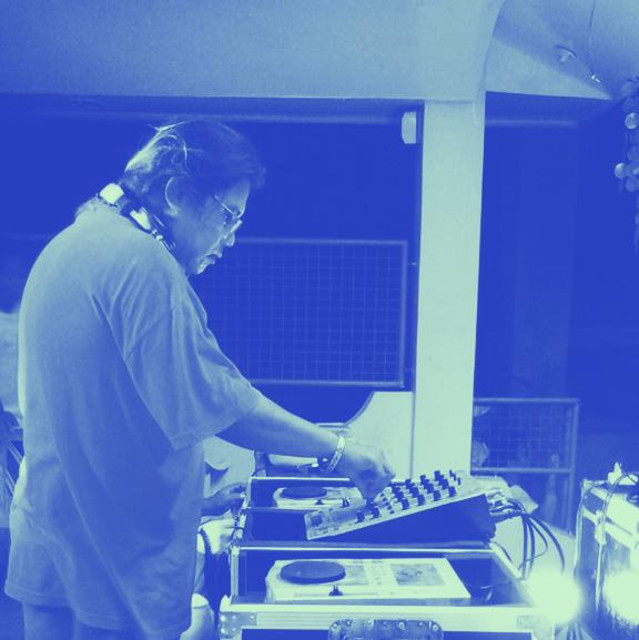
DJ Red Core
2018
·
5 albums
Listen
2
/5
Genres
Big Room House
Big room house is a festival-focused strain of EDM built for massive sound systems and outdoor main stages. It typically runs around 126–132 BPM (most commonly 128), uses four-on-the-floor kick patterns, and features huge, simple lead riffs designed to be instantly memorable to large crowds. A defining trait is the contrast between cinematic, reverb-washed breakdowns and ultra-dry, percussive drops driven by a powerful kick, sub, and a few bold supersaw or horn-like synth stabs. Arrangements lean on dramatic builds with snare rolls, risers, and crowd-hyping vocal chops, culminating in drops that emphasize impact over harmonic complexity.
Discover
Listen
Melbourne Bounce
Melbourne bounce is a high-energy offshoot of electro house that emerged from Australia in the early 2010s. It is characterized by a driving 4/4 kick, short off-beat bass stabs that create a rubbery “bounce” groove, and sparse, percussive drops built around punchy lead stabs, brass-like synths, and tom/snare fills. Typically sitting around 126–130 BPM (often 128), the style favors minimal, festival-ready arrangements with big build-ups, chantable vocal chops, and highly DJ-friendly intros/outros. The sound is bright, playful, and kinetic—designed to work on large dancefloors while remaining simple enough to be irresistibly catchy.
Discover
Listen
Budots
Budots is a grassroots Philippine electronic dance music style that emerged from Davao City, known for its hyper-simple, high-energy beats and playful, DIY sound. Tracks are typically built in home setups using basic DAWs like FL Studio, relying on punchy four-on-the-floor kicks, off‑beat claps, buzzy saw leads, and squelchy bass riffs. The music is made to accompany the “budots” dance—loose, humorous freestyle moves popular at barangay (neighborhood) parties, street gatherings, and fiestas. Short vocal exclamations, whistles, sirens, and memes (often in Bisaya/Cebuano) are chopped into the mix, giving the music a street-level, celebratory feel. Culturally, budots reflects a democratized, community-first approach to club music: it spreads through YouTube, Bluetooth sharing, mobile speakers, tricycles, and jeepneys rather than formal club circuits. Its charm lies in its unapologetically raw, catchy, and fun character.
Discover
Listen
Bisrock
Bisrock is a Cebuano-language variant of Pinoy rock that emerged from the Cebu rock scene in the Philippines. The name blends “Bisaya” (referring to the Visayan languages, especially Cebuano) and “rock,” signaling a community-forward movement to make rock that speaks in the local tongue. Although bands were already performing Cebuano-language rock in the 1980s, the label “Bisrock” was popularized in 2002 by Cebuano writer Januar E. Yap, first attached to Missing Filemon’s debut. The scene resonated particularly with youth in the Visayas and Mindanao, championing regional identity through rock idioms ranging from alternative and punk to reggae-inflected grooves. Stylistically, Bisrock pairs familiar rock instrumentation and progressions with lyrics that foreground everyday Cebuano life, humor, romance, social commentary, and local pride. Its appeal was both musical and cultural: it normalized using Cebuano as a primary rock language and briefly became a visible regional movement during the 2000s.
Discover
Listen
Disco
Disco is a dance-music genre and nightlife subculture that crystallized in the United States during the 1970s, drawing especially from African-American, Italian-American, Latino, and queer club communities. Musically, disco is typified by a steady four-on-the-floor kick drum, syncopated and melodic electric-bass lines, lush string sections, bright brass and horns, electric pianos and synthesizers, and percussive, choppy rhythm guitars. Arrangements often feature orchestral colors, handclaps, congas, and vibraphone or bell textures, all engineered to deliver a continuous, groove-forward experience for the dance floor. The style combines the rich orchestration and romantic sweep of Philadelphia soul with the bottom-end drive of funk and the songcraft of contemporary R&B/pop, delivered in DJ-friendly extended mixes and 12-inch singles designed for club play.
Discover
Listen
Chachachá
Chachachá is a Cuban dance‑music genre that emerged in early‑1950s Havana as a dancer‑friendly offshoot of danzón‑mambo. It is typically performed by charanga ensembles—flute and violins over piano, bass, güiro, and timbales—producing a light, elegant sonority distinct from the brass‑heavy mambo big bands. The groove is mid‑tempo with a clear, even pulse that supports the signature “cha‑cha‑chá” triple step heard in the dancers’ feet. Melodies are tuneful and diatonic, harmonies favor simple I–IV–V movements with occasional II–V turnarounds, and arrangements move from a lyrical cuerpo to a montuno section featuring coro‑pregón call‑and‑response, piano tumbao, and tasteful flute improvisations. The name “chachachá” is often traced to the shuffling sound of the dancers’ steps; composer‑violinist Enrique Jorrín simplified mambo syncopations to make the beat more square and intelligible, which helped the style spread worldwide through social and ballroom dance.
Discover
Listen
Albums
2018
1
/5
Cebu Bounce, Vol. 2
DJ Red Core & Khalil Alcontin
Melbourne Bounce
Big Room House
2018
1
/5
Budots Dance, Vol. 2
DJ Red Core
Budots
Budots Dance, Vol. 5
DJ Red Core
Budots
Budots Dance, Vol. 6
DJ Red Core
Budots
Budots Dance, Vol. 3
DJ Red Core
Budots
Similar artists
2
/5
Waraynon Music
Bisrock
Budots
Chachachá
1
/5
Various Artists
Afro-Funk
Alternative Rock
Ambient
3
/5
Vibes Tropa
Bisrock
Budots
Reggae
3
/5
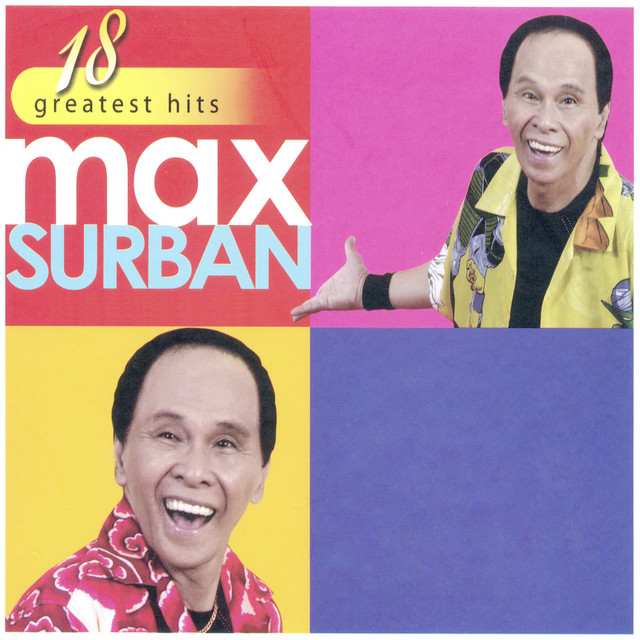
MAX SURBAN
Bisrock
Budots
Harana
3
/5
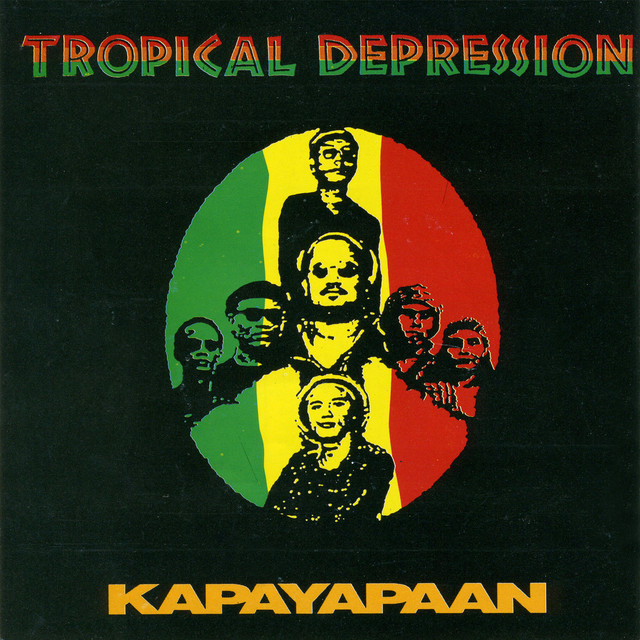
Tropical Depression
Bisrock
Budots
3
/5
TROPAVIBES
Bisrock
Budots
3
/5
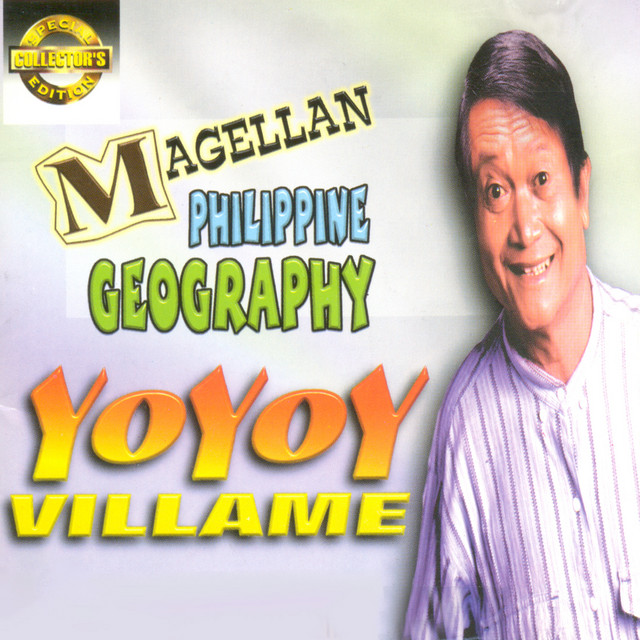
Yoyoy Villame
Bisrock
Budots
Harana
3
/5
Otab Inalab
Bisrock
Budots
2
/5
Jayson In Town
Bisrock
Budots
Reggae
2
/5
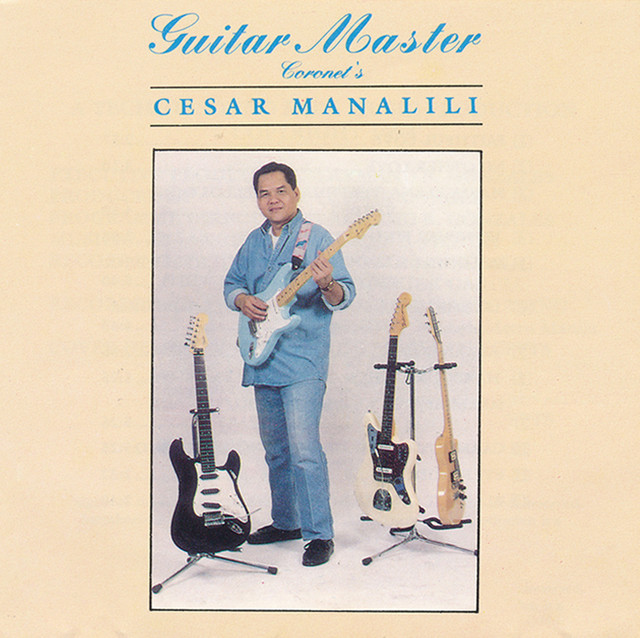
Cesar Manalili
Budots
Chachachá
Kundiman
Download our mobile app
Get the Melodigging app and start digging for new genres on the go
Download on the App Store
Get it on Google Play
© 2026 Melodigging
Give feedback
Legal
Melodding was created as a tribute to
Every Noise at Once
, which inspired us to help curious minds keep digging into music's ever-evolving genres.