Genres
Artists
Albums
Make Music
Sign in
Sign in
Artists
Amapiano
Artists
Amapiano
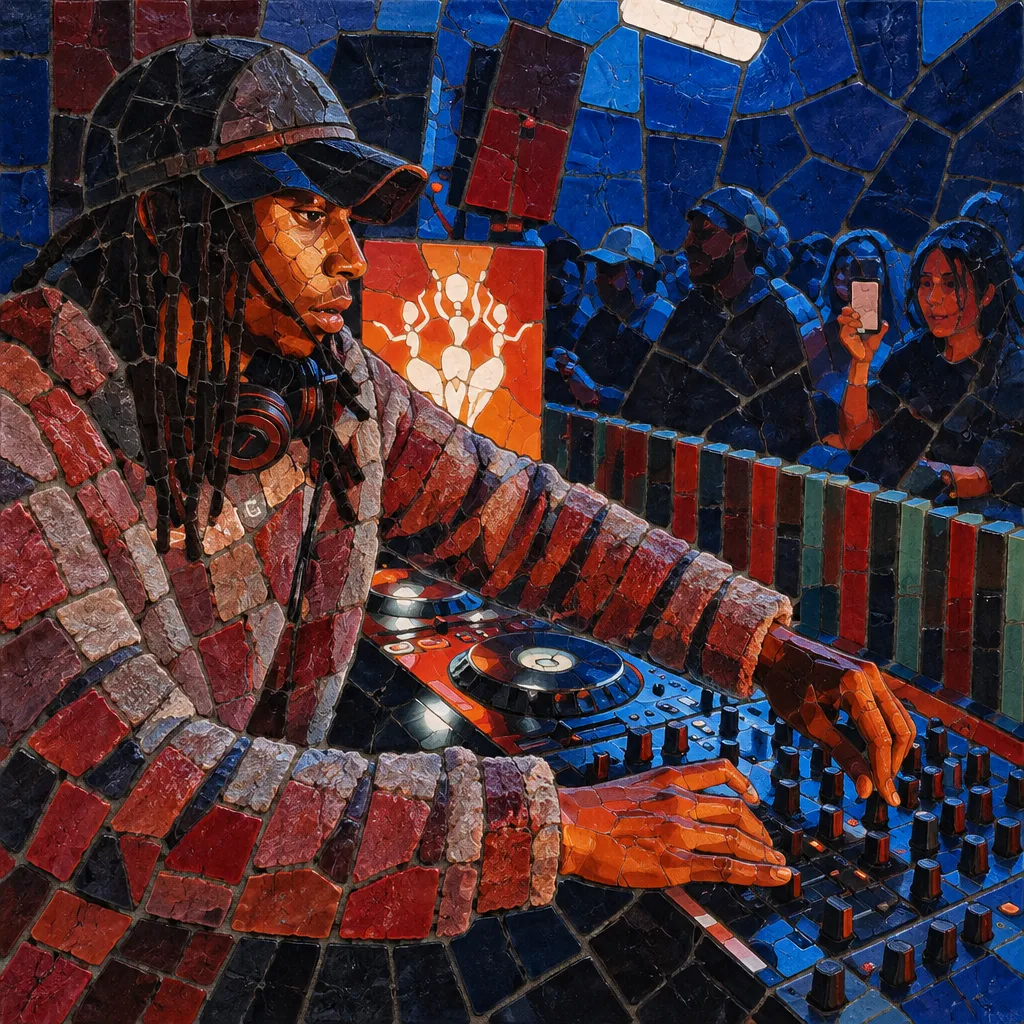
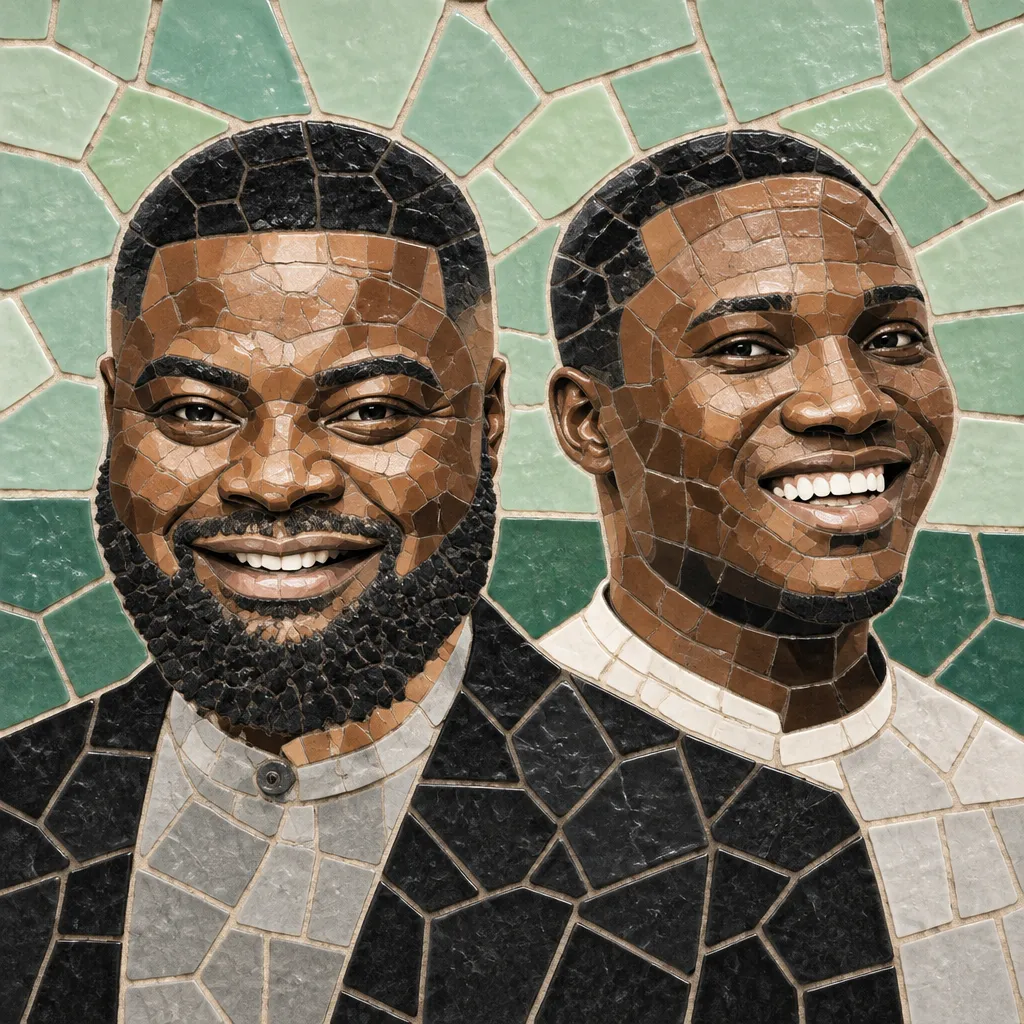
DJ Cleo
1 album
Listen
2
/5
Genres
3-Step
3-step is a contemporary club style built around a distinctive three‑kick‑drum pattern per bar instead of the traditional four‑on‑the‑floor. It blends the supple log‑drum bass and patient, rolling pace of Amapiano with the syncopated, jazz‑inflected looseness of UK Broken Beat. The result is relaxed, free‑form and playful, with a subtly swung feel, airy Rhodes‑style chords and nimble percussion that invite head‑nodding as much as dancing.
Discover
Listen
Gospel Amapiano
Gospel Amapiano is a faith-centered offshoot of South Africa’s Amapiano that fuses the genre’s laid‑back, log‑drum basslines, shuffling percussion, and jazzy keys with Christian praise and worship themes. Songs typically pair call‑and‑response vocals, choir pads, and uplifting hooks with the piano stabs, airy pads, and syncopated drum programming characteristic of Amapiano. Lyrics celebrate gratitude, testimony, and communal praise—often delivered in a blend of English and African languages (e.g., Zulu, Xhosa, Yoruba, Shona), mirroring the genre’s pan‑African reach. The result is a dance‑floor ready worship sound that thrives in youth services, praise parties, and social media dance trends, maintaining Amapiano’s relaxed groove while foregrounding spiritual content.
Discover
Listen
Amapiano
Amapiano is a South African house offshoot defined by deep, airy pads, jazzy chord voicings, and the signature "log drum" bass that carves syncopated, percussive patterns through the low end. Emerging from Gauteng townships, it favors mid-tempo grooves (typically 108–114 BPM), minimal four-on-the-floor kicks, and richly layered percussion—shakers, congas, rimshots—leaving generous space for melodic piano riffs and soulful vocals. The overall mood is warm, hypnotic, and communal, designed as much for social spaces and dance circles as for late-night listening. Amapiano marries the street-level grit and swing of kwaito and Pretoria’s bacardi house with the smoothness of deep house and the harmonic language of jazz, resulting in a style that is both understated and irresistibly danceable.
Discover
Listen
Gqom
Gqom is a minimalist, hard-edged club music from Durban, South Africa, built around pounding kicks, syncopated toms, and sparse, looped vocal chants. It favors tension and release over melodic development, using stark, percussive motifs and dramatic breakdowns to create a hypnotic, physically compelling groove. Typically sitting around 120–130 BPM, gqom departs from straight four-on-the-floor house patterns, embracing broken-beat structures, off-grid fills, and sudden dropouts. The sound palette leans dark and industrial—heavy sub-bass, metallic hits, claps, whistles, crowd shouts, and found sounds—while harmony is minimal or absent, keeping the focus on rhythm and texture.
Discover
Listen
Underground Amapiano
Underground Amapiano is the darker, rawer, and more minimal strain of South Africa’s Amapiano. It favors long instrumental grooves, sparse vocals, and hypnotic repetition over pop hooks. Key sonic traits include heavy, sliding log‑drum basslines, shuffling shaker patterns and swung hi‑hats, woody rimshots or claps, and restrained pads or jazz‑tinged piano voicings. Tempos typically sit around 110–116 BPM, and arrangements often stretch with DJ‑friendly intros/outros and patient builds. Compared to mainstream Amapiano, the underground aesthetic is moodier and more textural—leaning into nocturnal atmospheres, minor‑key harmonies, and subtle sound design, while preserving the township dancefloor feel.
Discover
Listen
Kwaito
Kwaito is a South African dance music style that emerged in early- to mid-1990s Johannesburg, defined by slowed-down house grooves, heavy sub-bass, chant-like vocals, and township slang. It blends the four-on-the-floor pulse of house with the call-and-response energy of street culture, drawing on local styles like township jive and mbaqanga as well as global currents such as hip hop and dancehall. The lyrics often celebrate everyday township life, fashion, parties, and post-apartheid freedom, while some artists fold in social commentary. Sonically, kwaito is minimalist and hypnotic: simple chord vamps, catchy synth stabs, whistles, handclaps, and congas carry mid-tempo beats around 95–110 BPM. Its relaxed swagger and communal chants made it both club-friendly and radio-ready, turning it into a defining sound of 1990s and 2000s urban South Africa.
Discover
Listen
Albums
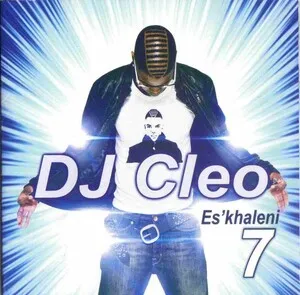
Es'khaleni 7
DJ Cleo
Kwaito
Similar artists
3
/5
Busiswa
Amapiano
Gqom
Afrobeats
4
/5
Kelvin Momo
Amapiano
Private School Piano
3-Step
3
/5
CowBoii
Private School Piano
Gqom
3-Step
3
/5
Bukzin Keyz
Amapiano
3-Step
Gqom
3
/5
Mick Man
3-Step
Amapiano
Gqom
3
/5
Smash SA
3-Step
Amapiano
Gqom
3
/5
Zwayetoven
3-Step
Amapiano
Gqom
3
/5
Shino Kikai
3-Step
Amapiano
Gqom
2
/5
Mbuxx
3-Step
Amapiano
Gqom
2
/5
2Point1
3-Step
Afropiano
Amapiano
Download our mobile app
Get the Melodigging app and start digging for new genres on the go
Download on the App Store
Get it on Google Play
© 2026 Melodigging
Give feedback
Legal
Melodding was created as a tribute to
Every Noise at Once
, which inspired us to help curious minds keep digging into music's ever-evolving genres.